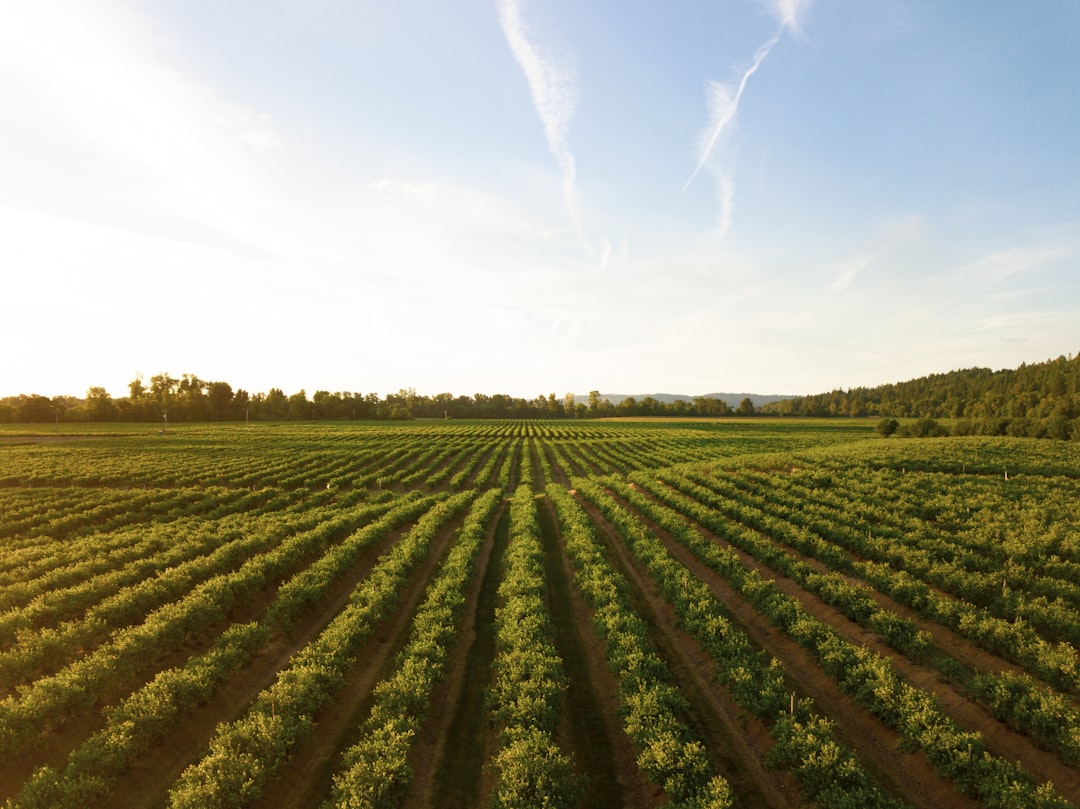
Agricultural sciences and technology in Kenya sit under a regulatory framework that most agri-tech founders underestimate until it slows down a product launch. Three separate regulators, not one, typically have a say over a new agricultural product: the National Biosafety Authority for anything genetically modified, the Kenya Plant Health Inspectorate Service for seed and plant material generally, and the Pest Control Products Board for anything applied to a crop as a pesticide, herbicide, or biopesticide. A business assuming a single approval covers all three has usually assumed wrong.
The GMO Question: A Genuinely Unsettled Area Right Now
Few areas of Kenyan regulatory law have been as volatile in the past three years as the legal status of genetically modified crops and food, and any agri-tech business working with GM material needs to treat this as an actively moving target rather than a settled question. The Cabinet lifted a ten-year ban on GMO cultivation and importation in October 2022. Litigation followed immediately, and after a series of rulings that initially confirmed the lifting of the ban, the Court of Appeal issued a conservatory order in March 2025 suspending it again, applying the precautionary principle pending a full hearing of the underlying appeal. That appeal was heard in December 2025, with judgment reportedly expected around April 2026. As of the time of writing, we have not been able to confirm a public record of that judgment having been delivered, which means the practical, current position for a business considering GM cultivation, importation, or trade in Kenya needs to be verified directly with the National Biosafety Authority or through current legal advice before proceeding, not assumed from any single point-in-time news report, including this one. The National Biosafety Authority, established under the Biosafety Act, No. 2 of 2009, remains the competent authority overseeing GMO approvals regardless of how the appeal resolves, working alongside KEPHIS, the Department of Veterinary Services, Kenya Bureau of Standards, the Pest Control Products Board, NEMA, and KIPI, each of which has a defined role under the Act’s first schedule.
Seed Certification and Plant Variety Protection
Away from the GMO controversy specifically, KEPHIS has an ongoing and less contested role in certifying conventional seed varieties and inspecting agricultural inputs and produce generally, a function any agri-tech business developing or distributing improved seed varieties needs to engage with regardless of the GMO question. A business that has genuinely bred a new plant variety, rather than simply sourced and resold existing seed, should also consider plant breeders’ rights protection, a form of intellectual property distinct from a patent that protects a new, distinct, and stable plant variety and gives the breeder exclusive commercial rights over propagating material of that variety. This is worth raising early in a product development timeline, since variety registration and rights protection processes run in parallel with, not after, commercial field trials. Field trial conduct itself is also regulated where a new variety or GM material is involved, since KEPHIS and, where applicable, the NBA both expect a documented, contained trial protocol before a variety or trait moves toward commercial release, and skipping this step to save time typically costs more time later when a regulator requires the trial to be repeated properly.
Agrochemicals and Biopesticides
Any agri-tech product applied to crops to control pests, weeds, or disease, whether a conventional chemical formulation or a biological alternative marketed as more environmentally friendly, requires registration with the Pest Control Products Board before it can be manufactured, imported, distributed, or used in Kenya. Biopesticide and biological crop protection products are not automatically exempt from this registration process simply because they are marketed as natural or organic, a common and costly assumption among newer agri-tech entrants targeting the sustainable agriculture market specifically. Import of any agrochemical or biopesticide input, including samples intended only for research or field trial purposes, also requires its own import permit process, separate from the eventual full registration needed for commercial sale, and businesses that import trial quantities without securing this permit expose themselves to seizure at the border regardless of whether the eventual full product would have qualified for registration.
Data, Precision Agriculture, and Farmer Information
A growing share of Kenyan agri-tech activity involves data rather than biological products: satellite or drone-based crop monitoring, mobile-based extension advisory services, and platforms that collect farmer data to underwrite input credit or insurance products. This category of agri-tech is not subject to NBA, KEPHIS, or PCPB oversight in the same way, but it squarely engages the Data Protection Act, 2019 where farmer data, including location, financial, and biometric information collected for credit scoring, is processed. A precision agriculture or agri-fintech platform should build data protection compliance, including a registered data controller or processor status where applicable and a clear lawful basis for processing farmer data, into its product design rather than treating it as a launch-stage afterthought once the core product is built.
Protecting Agricultural Innovation
Agri-tech businesses frequently underinvest in protecting the intellectual property behind their actual innovation, whether that is a proprietary formulation, a data model, or a breeding technique, relative to how much they invest in the regulatory approvals needed to bring a product to market. Trade secret protection, covered in our guide to trade secrets in Kenya, is often the more realistic protection route for a formulation or process a business does not want to disclose through a patent application, while genuine technical inventions may warrant patent protection instead, discussed in our guide to patent registration in Kenya.
For advice on biosafety, seed certification, and agrochemical regulatory approvals, data protection compliance for agri-tech platforms, and protecting agricultural innovation, consult our corporate and commercial practice. We advise businesses across Kenya from our offices at Nextgen Mall, Nairobi.