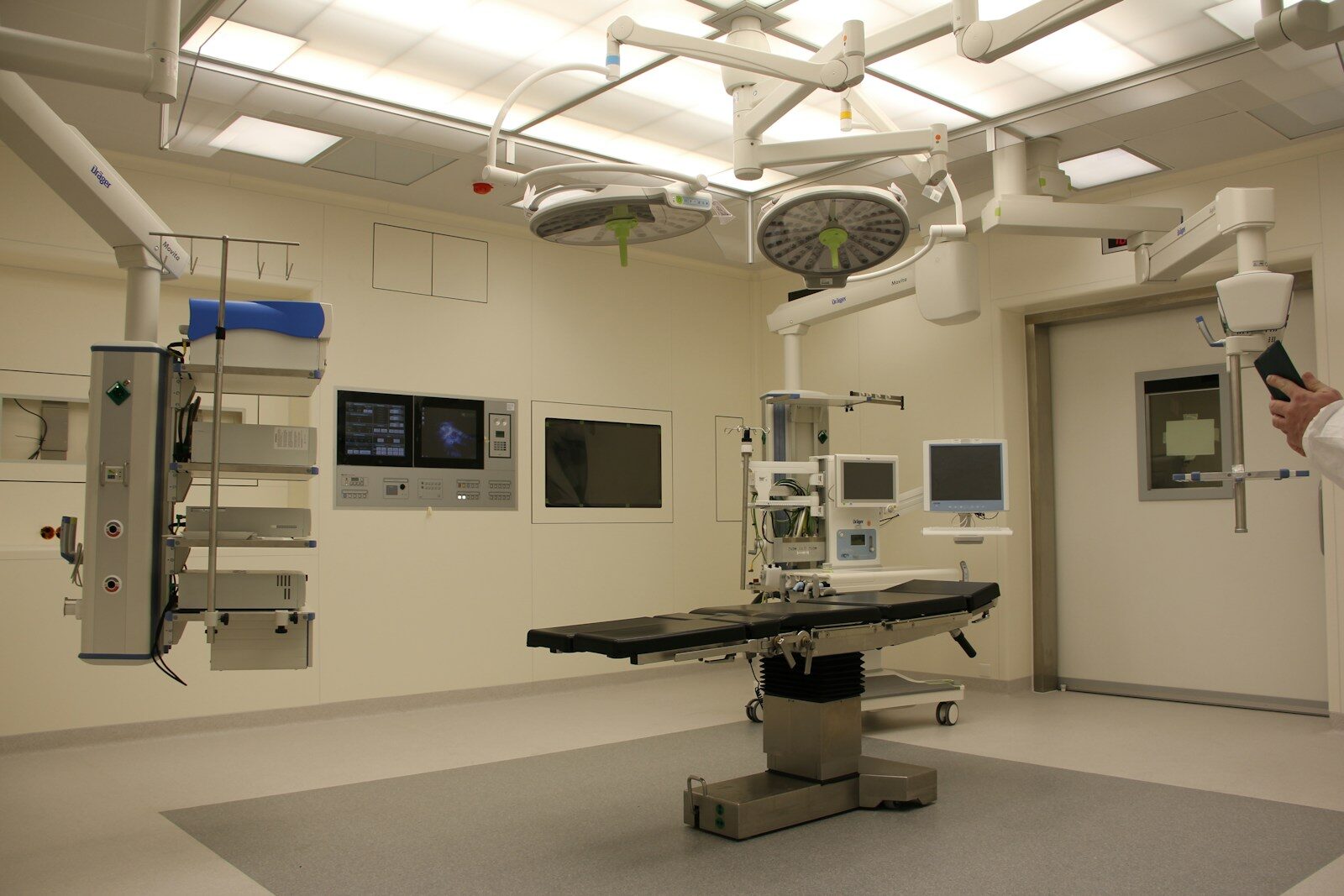
Medical devices regulation in Kenya rests primarily with the Pharmacy and Poisons Board (PPB) and the Kenya Bureau of Standards (KEBS), operating alongside each other rather than as alternatives. The PPB’s authority over devices flows from the same Pharmacy and Poisons Act (Cap 244) and Pharmacy and Poisons (Registration of Health Products and Technologies) Rules, 2022 that govern medicines, since the Rules regulate “health products and technologies” as a single category that expressly includes medical devices and in vitro diagnostics alongside pharmaceutical products. Regulation in this space has been progressively strengthened in recent years, and a manufacturer or importer that treats a device as a lighter-touch product than a medicine because it is not a drug is starting from the wrong assumption.
Medical Devices Regulation in Kenya: Device Classification
Medical devices are classified into four risk-based classes, Class A through D, following the IMDRF model that the PPB has adopted as an IMDRF affiliate member, and the classification a device receives drives the depth of the registration dossier the PPB will require. Class A covers low-risk devices, such as bandages, where the requirements are comparatively light. Class B and Class C cover progressively higher-risk devices, such as sutures and more invasive instruments, requiring correspondingly more extensive supporting documentation. Class D covers the highest-risk devices, including implantable and life-supporting devices, and carries the most stringent evidentiary and review requirements of any device category. In vitro diagnostics are classified under their own separate system rather than being folded into the general device categories, reflecting the distinct way an IVD’s failure mode, a wrong or missed diagnostic result, differs from the failure mode of a physical implant or instrument.
Software and Digital Health Devices
As diagnostic and monitoring software increasingly functions as the device itself rather than merely supporting one, businesses bringing software-driven health technology into Kenya should not assume the PPB’s device framework only applies to physical hardware. Where software performs a diagnostic, monitoring, or treatment-decision function independently of any accompanying hardware, it falls to be assessed against the same risk-classification logic applied to a physical device of comparable consequence, and a vendor that treats a clinical decision-support tool as ordinary software rather than a regulated health technology is taking on a classification risk it has not actually assessed.
Registration Requirements
Importers and local manufacturers of regulated medical devices must register their products with the PPB before placing them on the Kenyan market. The registration dossier includes technical documentation, clinical data appropriate to the device’s risk class, and labelling that complies with Kenyan requirements rather than simply reusing the manufacturer’s home-market packaging. As with pharmaceutical products under the same 2022 Rules, a foreign manufacturer applying to register a device must appoint a Local Technical Representative and submit the agreement appointing that representative as part of the application, giving the PPB a Kenya-based point of accountability for the device once it is on the market. Getting the classification wrong at the application stage, treating a Class II device as Class I to move through review faster, for example, is the kind of shortcut that tends to surface during a post-market inspection rather than disappear.
Post-Market Surveillance and Vigilance
Registration is not the end of a device manufacturer’s or importer’s regulatory obligations. Post-market surveillance obligations include adverse event reporting, meaning the registration holder must have a functioning system for capturing, assessing, and reporting device-related incidents to the PPB after the device is already in clinical or consumer use, not just a theoretical commitment made on paper at the registration stage. For higher-class devices in particular, the practical cost of vigilance, tracking which units went where, maintaining a route back to affected customers or facilities if a fault emerges, is a real operational requirement that should be budgeted for alongside the registration fee itself, not treated as a contingency to be built only if a problem actually arises.
KEBS Standards Compliance
KEBS enforces Kenyan product standards that apply to medical devices independently of the PPB’s registration process, covering aspects such as quality, performance, and conformity to relevant Kenyan or adopted international standards. Where a device falls within a class subject to mandatory KEBS standards, importation typically requires a KEBS conformity assessment or import inspection in addition to, not instead of, PPB registration. A device can be fully registered with the PPB and still be held at the border, or refused market entry, if it does not separately clear the KEBS standards process applicable to its product category, which is why the two regulatory tracks need to be managed as parallel workstreams from the start of a market entry plan rather than sequentially.
Importation Controls
Importing a medical device into Kenya generally requires an import licence from the PPB in addition to product registration and any applicable KEBS clearance, and importing without the relevant licence is an offence under the Pharmacy and Poisons Act independently of any defect in the device’s underlying registration. Businesses structuring supply chains for devices into Kenya should map all three requirements, PPB registration, the import licence, and KEBS conformity, against the actual shipment timeline, since a gap in any one of them can hold inventory at the border regardless of how complete the other two are.
Appeals Against PPB Decisions
A registration refusal, classification dispute, or licence revocation is not necessarily final at the Board’s level. Under the Pharmacy and Poisons Act, a refusal or revocation of certain licences carries a right of appeal to the Cabinet Secretary, whose decision on the appeal is final, giving an applicant a statutory route to challenge an adverse decision rather than having to either accept it outright or proceed directly to judicial review. For a device manufacturer that has invested significant time preparing a Class II or Class III dossier, understanding this appeal route, and its procedural timelines, before a refusal happens is a more useful exercise than researching it for the first time after the refusal letter arrives.
Enforcement and Penalties
The PPB’s enforcement powers over devices mirror its powers over medicines under the same Act: inspectors may enter and search premises, retain and dispose of goods seized in an investigation, and demand production of licences and records, with obstruction of an authorised officer itself an offence. Advertising a medical device in terms the Board considers extravagant, or otherwise bearing little relation to the device’s actual performance characteristics, falls under the same advertising restrictions and penalties that apply to pharmaceutical products, since the Act does not distinguish between a drug and a device for the purposes of its advertising controls.
Practical Compliance Guidance
For a manufacturer or importer bringing a medical device to Kenya for the first time, the realistic sequence runs PPB classification and registration, Local Technical Representative appointment where the applicant is foreign, KEBS conformity assessment for the relevant product category, and import licensing, managed as overlapping workstreams rather than a single linear process. Post-market vigilance capability should be built before the first unit is sold, not after the first adverse event report needs to be filed. Because the underlying legal framework treats devices and medicines as two branches of the same regulatory tree rather than entirely separate regimes, a business already navigating PPB pharmaceutical registration for one product line should expect substantial procedural overlap, but not identical requirements, when it adds a device to that same portfolio.
Clay & Associates Advocates advises medical device manufacturers, importers, and distributors on PPB classification and registration strategy, Local Technical Representative arrangements, and the interaction between PPB and KEBS requirements at market entry. If your business is bringing a device into the Kenyan market or has a registration, KEBS, or post-market surveillance question, we can help you map the requirements that actually apply to your product before they become a hold at the border.
Bringing a medical device to the Kenyan market? Contact Clay & Associates Advocates for a PPB and KEBS compliance strategy session. Book a Consultation
Related reading: Pharmaceutical Regulation in Kenya | KEBS Standards Compliance | Healthcare Regulation in Kenya
For expert legal guidance on this matter, consult our life sciences and healthcare legal services team at Clay & Associates Advocates. We advise healthcare businesses, investors, and practitioners across Kenya on Life Sciences and Healthcare matters from our offices at Nextgen Mall, Nairobi.