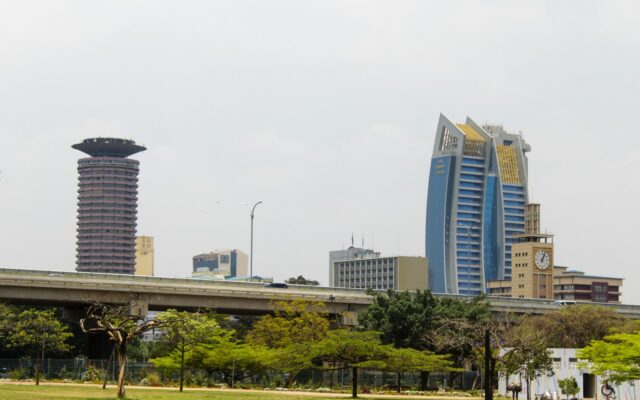
Coffee Broker Licensing in Kenya is a self-contained regime, sitting under its own dedicated regulation rather than the general capital markets licensing framework that governs stockbrokers and investment banks. Since the Capital Markets Act was amended in 2016 to bring spot commodity markets, including coffee, under CMA’s mandate, the number of licensed coffee brokers has grown steadily, reaching 14 by October 2023 with the licensing of Kirinyaga Slopes Coffee Brokerage Company Limited, and has continued to grow since as CMA works through the coffee sub-sector reforms agenda alongside the Nairobi Coffee Exchange. Businesses should confirm the current licensed broker count directly with CMA rather than rely on a specific historical figure, since this list is updated as new brokers are licensed.
The Governing Regulation
Coffee broker licensing is governed by the Capital Markets (Coffee Exchange) Regulations, 2020 (Legal Notice 40 of 2020), which commenced on 3 April 2020 and gives effect to section 12(1) of the Capital Markets Act. A “broker” under these Regulations is a person cleared by the exchange and licensed by the Authority, appointed by a coffee grower or association of growers under the Crops (Coffee) (General) Regulations, to sell their coffee on their behalf through the Exchange. Part III of the Regulations (regulations 7 to 18) governs coffee broker licensing specifically, and section 7 states plainly that a person shall not carry on or purport to carry on business as a coffee broker unless licensed by the Authority.
Application Requirements
An applicant submits Form B under regulation 8, accompanied by the prescribed fee, supporting documents, and critically, a letter from the coffee exchange confirming the applicant meets the exchange’s own admission requirements and will be admitted if licensed by CMA. This dual gatekeeping, exchange clearance plus CMA licensing, means an applicant cannot simply satisfy CMA’s paperwork requirements in isolation, the exchange itself must independently confirm it will accept the applicant as a trading member.
Regulation 9 sets out the substantive eligibility criteria. An applicant must be a company limited by shares, have a chief executive officer who is fit and proper under section 24A of the Capital Markets Act and who has at least five years of experience buying, selling, or dealing in coffee, commodities, or other securities, have adequate office infrastructure and trained staff, have fit and proper directors and key personnel, and meet a minimum net capital and net worth threshold. Notably, that capital threshold is not a fixed figure set by CMA directly, it is determined by the coffee exchange itself and then approved by the Authority, giving the Nairobi Coffee Exchange real influence over the practical capital bar for new entrants.
Fees
The Second Schedule sets a coffee broker application fee of Kshs 10,000 and an annual regulatory fee of Kshs 50,000. This is a distinct fee schedule from the general Capital Markets (Licensing Requirements) (General) Regulations that govern stockbrokers and investment banks, and from the coffee exchange’s own fees (a coffee exchange itself pays a Kshs 10,000 application fee but a considerably steeper Kshs 2,500,000 annual regulatory fee, reflecting its role as market infrastructure rather than an individual trading participant).
Timeline and Licence Validity
CMA must decide on an application within thirty days of submission. Unlike many CMA-regulated categories that require periodic renewal, a coffee broker licence remains valid indefinitely until it is suspended or revoked, there is no fixed licence term to track for renewal purposes. If CMA is minded to refuse an application, it must first give the applicant an opportunity to be heard, and a refusal decision must be communicated within fourteen days of that hearing with reasons stated. An aggrieved applicant may appeal to the Capital Markets Tribunal within fifteen days.
Suspension and Revocation
Regulation 13 sets out an extensive list of suspension grounds, including non-compliance with the Act or Regulations, contravening the exchange’s own rules, market manipulation or price rigging, financial deterioration threatening investor interests, and simple failure to pay the annual fee. Separately, regulation 15 provides for automatic revocation, no hearing required, where a broker ceases to be a trading member of the exchange, is declared a defaulter and not re-admitted within six months, surrenders its exchange membership, is declared insolvent, voluntarily surrenders its licence, or is wound up by court order. This automatic revocation mechanism is stricter than the general suspension and revocation process, which requires CMA to give the broker an opportunity to be heard first.
Continuing Obligations
As a condition of continued admission, a coffee broker must submit, through the coffee exchange, certified net capital balance and net worth statements plus an auditor’s report on a quarterly basis, within thirty days of each quarter’s end. Even after a licence is suspended or revoked, the broker remains responsible for clearing all outstanding obligations incurred while it was operating.
This Is an Actively Litigated Framework
The Coffee Exchange Regulations are not a quiet corner of capital markets law. Kenya Law’s own citation records show at least two recent High Court matters interpreting this framework: a 2024 judicial review application (Coffee Management Services Ltd v Exchange & another) and, more significantly, a November 2025 constitutional petition brought by Kirinyaga Slopes Coffee Brokerage Company Limited and two others against the Cabinet Secretary for the National Treasury and Economic Planning, the Speaker of the National Assembly, and five other interested parties. The existence of a constitutional challenge involving a licensed coffee broker against national government bodies signals real, live friction in how this sector reform is being implemented, worth watching for any business operating or considering entry into this space.
How a Broker Fits Into the Trading Process
Coffee Broker Licensing exists because the Regulations build a specific trading workflow around the broker role, not just a licensing formality. A miller deposits clean, graded coffee at a licensed warehouse, which issues a coffee warrant confirming quantity and quality. Where the owner is acting through a broker, the owner contacts the broker and gives authority to sell. The broker (or grower miller) then prepares a sales catalogue in consultation with the exchange, inputs the warrant details into the exchange’s central registry, and once a sale completes, generates the invoice for the successful bidder. Payment flows through the Direct Settlement System, a banking facility operated by a CMA-approved commercial bank, with proceeds netted against contract and statutory charges before reaching the grower. Cooperative Bank was the sole Direct Settlement System provider from August 2023 until Stanbic Bank Kenya was approved as a second provider in May 2026.
This workflow means a coffee broker’s practical value proposition is market access and transaction execution on behalf of growers and cooperative unions, most licensed brokers to date are promoted by county cooperative unions rather than independent commercial entities, reflecting the sector’s cooperative structure. A prospective broker should factor this into its business plan and its pitch to the exchange for admission, since the exchange’s own assessment of whether an applicant serves genuine grower interests appears to weigh heavily in practice, not just the formal capital and fit-and-proper criteria.
The Cooperative Structure Behind Most Licensed Brokers
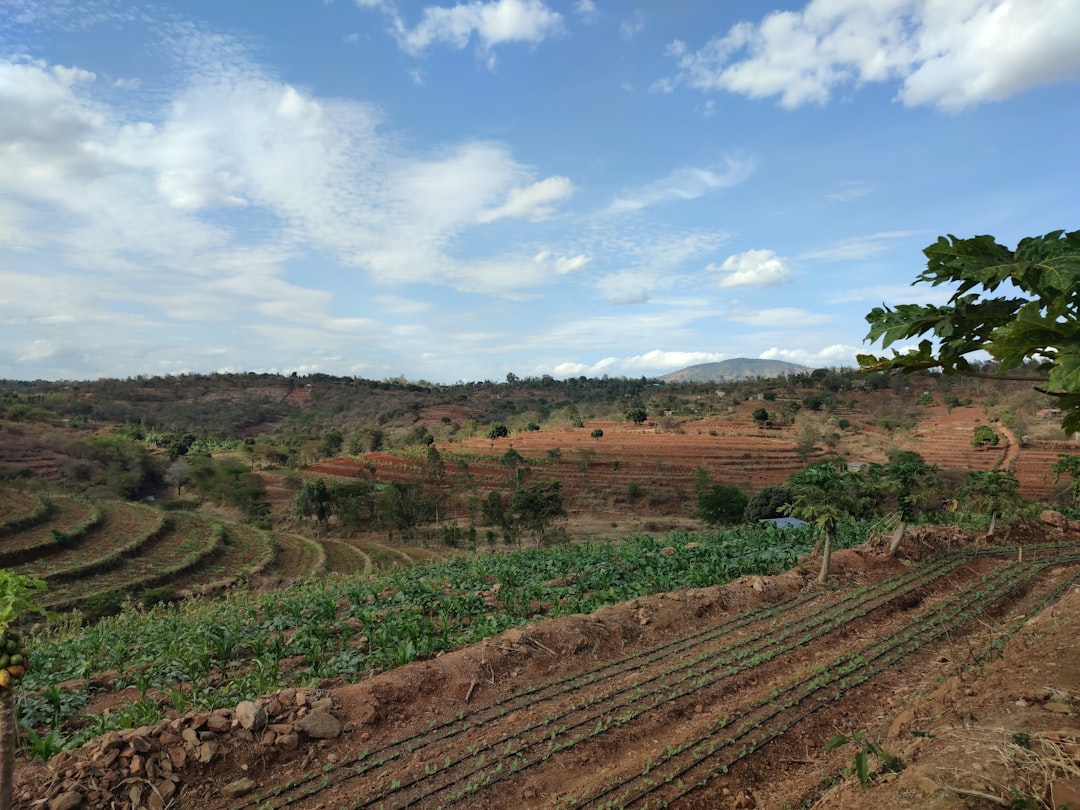
Coffee Broker Licensing in Kenya has, in practice, been taken up overwhelmingly by county coffee cooperative unions rather than independent commercial brokerage firms. Meru County Coffee Marketing Agency, Kirinyaga Slopes Coffee Brokerage, Murang’a County Coffee Dealers, and Wareng Coffee Marketing Agency, among others, are all promoted by their respective county cooperative unions. This pattern reflects the sector’s underlying structure, most Kenyan coffee is grown by smallholder farmers organised into cooperative societies, and the broker licence gives those cooperatives a formal, regulated channel to market their members’ coffee through the exchange rather than relying on informal or historically exploitative intermediary arrangements that the 2016 reforms were partly designed to address.
For an independent commercial entity considering entry into this space without an existing cooperative membership base, this pattern is worth taking seriously as a market reality, not just a licensing formality. Demonstrating a credible pipeline of grower or cooperative relationships willing to route their coffee through the applicant is likely to matter as much to the exchange’s admission assessment as meeting the formal net capital and fit-and-proper criteria, since the exchange’s own interest is in brokers who will actually generate trading volume on behalf of real growers.
Related Reading
See our guides to commodity exchange and broker licensing, coffee exchange licensing, and the Capital Markets Authority licensing overview. Source: Capital Markets (Coffee Exchange) Regulations, 2020 (Legal Notice 40 of 2020).
Applying for a coffee broker licence, or navigating a dispute under the Coffee Exchange Regulations? Clay & Associates Advocates advises on CMA licence applications and coffee sub-sector regulatory compliance. Contact us to discuss your application.
This article is for general information and does not constitute legal advice. Coffee exchange admission requirements are set independently by the exchange and should be confirmed directly before an application is prepared.