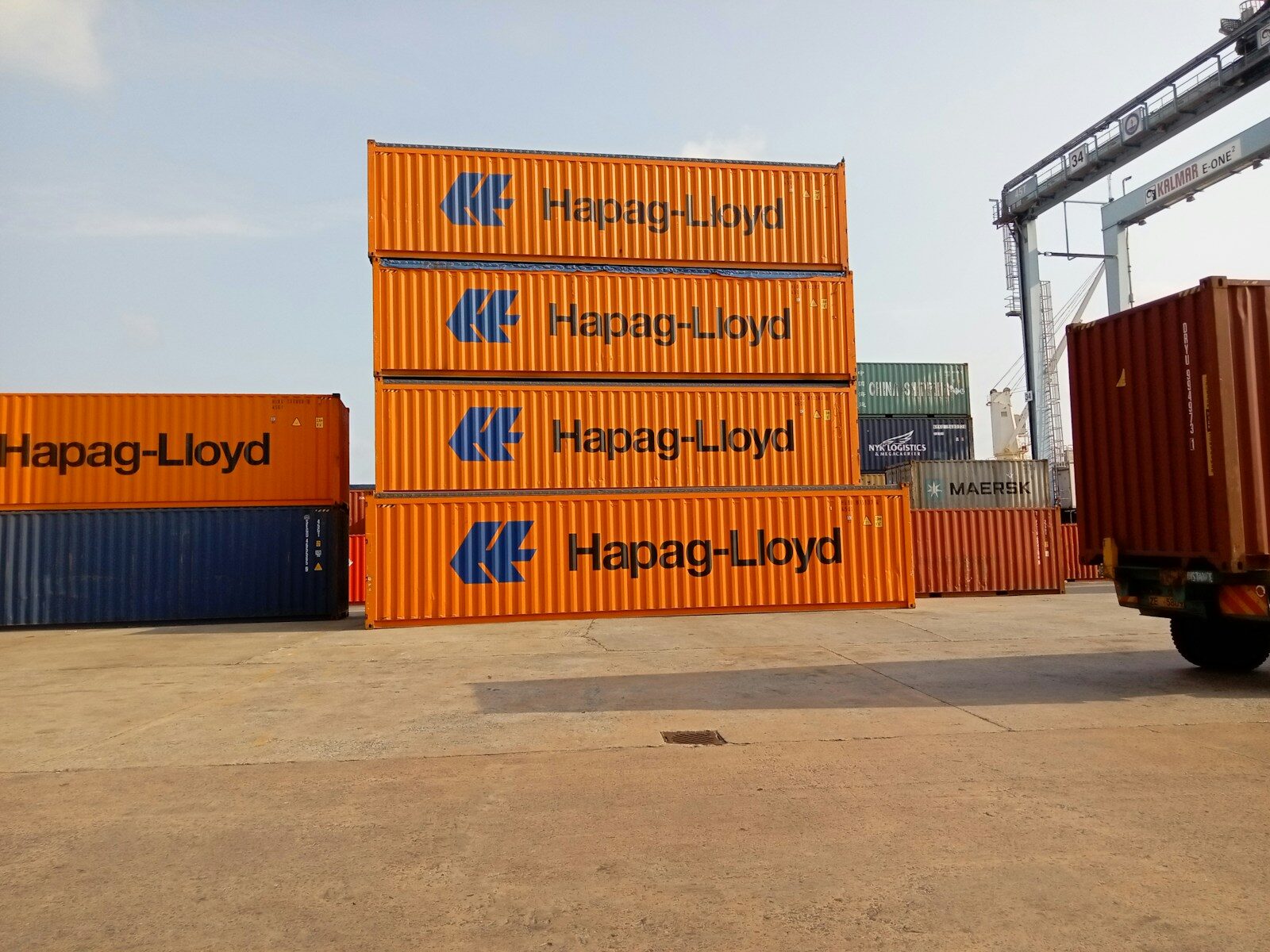
Customs recordation Kenya requires for imported goods exists to change one basic fact about counterfeit enforcement: by the time a counterfeit shipment reaches a Kenyan retail shelf, the practical options for a brand owner have narrowed considerably. Recordation intercepts those shipments earlier, giving the Anti-Counterfeit Authority (ACA) the information it needs to stop counterfeit goods at the border, before they ever enter Kenyan commerce.
What customs recordation Kenya actually requires
Section 34B of the Anti-Counterfeit Act requires trademarks relating to goods being imported into Kenya to be recorded with the ACA, regardless of where that trademark was originally registered. The rights holder, meaning the person who holds a certificate of registration for the intellectual property in question, or their authorised agent, applies to record the mark in the prescribed form. The Authority then reviews and either approves or denies the application. While trademarks are the clearest and most commonly used category, the Act’s language extends the recordation concept to other forms of intellectual property rights as well, including copyrights, patents, and trade names, though in practice the system’s infrastructure and enforcement focus has centred on trademarks.
What happens once a mark is recorded
Once the Authority approves a recordal, it issues the importer a certification mark in the form of an anti-counterfeit security device, which serves as the visible signal that a shipment has been authenticated against the recorded IP right. A recordal remains in effect for one year from the date of approval, meaning brand owners need to treat this as a recurring compliance obligation rather than a one-time registration. The ACA announced the commencement of IPR recordation on 26 April 2022, following the Anti-Counterfeit (Recordation) Regulations, 2021, gazetted on 23 July 2021 under Legal Notice No. 118 of 2021, moving the system from a voluntary protective measure to a baseline requirement for lawful importation.
What the application needs to include
Beyond the basic identification of the mark and its registration, Section 34B requires the applicant to provide details of any foreign persons or business entities who are authorised or licensed to use the intellectual property in question. This detail matters in practice: it means a brand owner with multiple licensed manufacturers or distributors supplying the Kenyan market needs to disclose those relationships as part of the recordal, not simply record the mark in isolation. An incomplete picture of who is authorised to use the mark can create friction when customs officials try to distinguish legitimate licensed shipments from unauthorised ones at the point of entry.
Why this matters more than it might first appear
The ACA’s own enforcement data indicates that roughly 80 percent of IP-infringing goods found in the Kenyan market arrive through importation, with only around 20 percent manufactured locally. That imbalance is precisely why the recordation system exists as it does, targeting the point of entry rather than relying solely on enforcement after goods are already in circulation. For a brand owner, failing to record a trademark does not necessarily mean total exposure, since the ACA can still act against counterfeit goods generally, but it does mean losing the faster, more targeted interception that recordation is designed to enable, and potentially facing friction at customs even for legitimate, authorised shipments that lack the recognisable security device.
Common pitfalls that undermine the system
The most frequent gap is treating recordation as a one-time task rather than a recurring one: because approval only lasts a year, a brand owner that recorded its mark once and moved on can find the protection has quietly lapsed by the time it is actually needed, with no automatic renewal reminder from the Authority. A second common gap is incomplete disclosure of licensed manufacturers, particularly where a brand owner has added a new contract manufacturer or distributor since the original recordal and never updated the ACA’s records, leaving a mismatch between who customs officials expect to see supplying the goods and who is actually doing so. Both gaps are avoidable with basic internal tracking, but both are common enough in practice that they are worth checking proactively rather than assuming existing paperwork is still current.
Practical steps for brand owners importing into Kenya
Any business importing goods bearing a registered trademark into Kenya should treat recordation as a standing compliance item, not an afterthought triggered by a counterfeiting incident. This means recording the mark before the first shipment, calendaring the one-year renewal date so the recordal does not lapse silently, and keeping the list of authorised foreign licensees and manufacturers up to date with the Authority as commercial arrangements change. Businesses that only register a trademark with KIPI but never complete the separate ACA recordation are leaving a meaningful enforcement gap open, since KIPI registration and ACA recordation serve different, complementary functions rather than one substituting for the other.
How We Can Help
Clay & Associates Advocates assists importers and brand owners with ACA trademark recordation, from the initial application through to managing renewals and updating authorised licensee details. Contact our Intellectual Property team to put a customs recordation strategy in place before your next shipment.
Sources: Anti-Counterfeit Act, No. 13 of 2008 (Revised Edition 2018), section 34B; Statute Law (Miscellaneous Amendment) Act, 2018; ACA notice on Commencement of Recordation of IPR (aca.go.ke). For the Authority’s broader enforcement powers beyond recordation, see our overview of working with the Anti-Counterfeit Authority.
Frequently asked questions
How long does a customs recordal with the ACA last?
One year from the date of approval, after which it must be renewed to remain in effect.
Is recordation only available for trademarks?
Trademarks are the primary and most established category, but the Act’s language also covers copyrights, patents, and trade names, even though enforcement infrastructure has focused mainly on trademarks in practice.
Do I still need to record my mark if it is already registered with KIPI?
Yes. KIPI registration and ACA customs recordation are separate, complementary steps; registration alone does not give customs officials the information needed to intercept counterfeit shipments at the border.
What if I license multiple manufacturers to produce my branded goods for the Kenyan market?
Section 34B requires you to disclose details of foreign persons or entities authorised to use the intellectual property as part of the recordal application, and this information should be kept current as your licensing arrangements change.