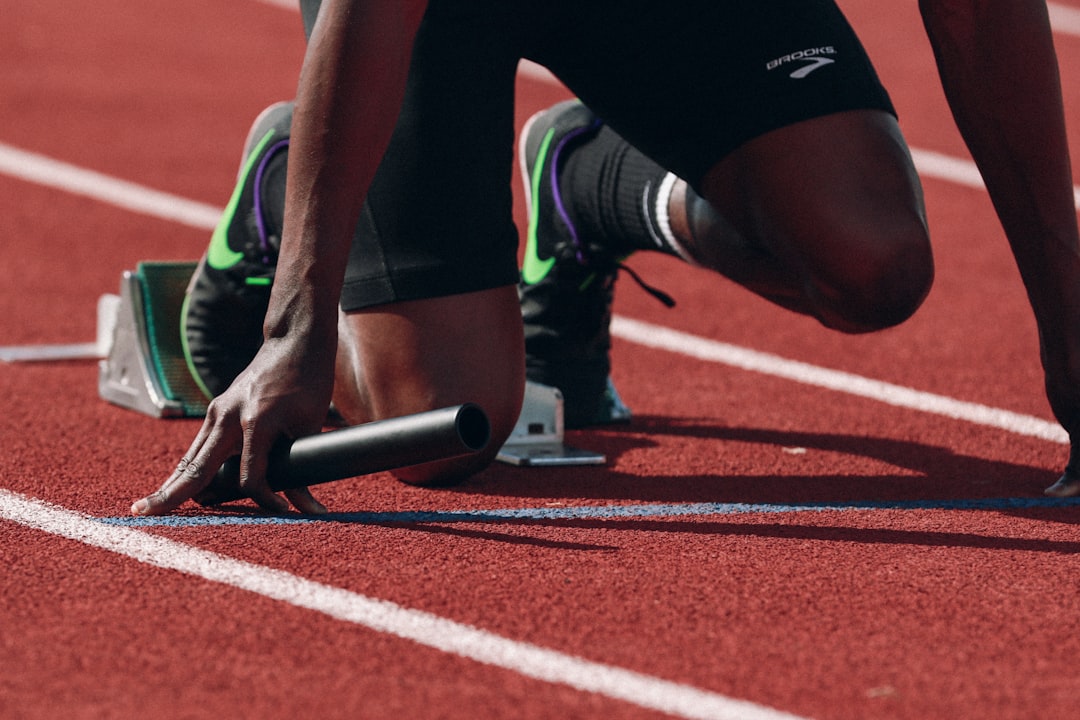
Sports disputes in Kenya arise across a wide spectrum of matters, from contractual disagreements between athletes and clubs to disciplinary proceedings before national federations, eligibility disputes, anti-doping rule violations, and governance challenges within sports organisations. Kenya’s sports dispute resolution framework, anchored by the Sports Disputes Tribunal (SDT), provides a structured pathway for resolving these disputes outside the ordinary court system. Understanding how sports disputes in Kenya are handled is essential for athletes, clubs, coaches, and administrators seeking effective resolution.
Sports Disputes Kenya: The Sports Disputes Tribunal as Kenya’s Specialist Forum
The Sports Disputes Tribunal (SDT) was established under the Sports Act No. 25 of 2013 as the primary body for resolving sports-related disputes in Kenya. The SDT has jurisdiction to hear and determine disputes between sports organisations and their members, disputes arising from decisions of national sports organisations and sports federations, disputes relating to the employment of athletes and sports officials, disputes concerning eligibility, registration, and transfers, and disputes between sponsors and sports organisations.
The SDT consists of a Chairperson, who must be a lawyer of at least seven years’ standing, and not fewer than six other members with relevant expertise in sports, law, medicine, or commerce. The Tribunal operates as a quasi-judicial body with power to issue binding decisions enforceable in the same manner as court judgments.
Filing a Dispute at the Sports Disputes Tribunal
A party wishing to file a dispute at the SDT submits a formal statement of claim setting out the nature of the dispute, the parties involved, the relief sought, and the supporting evidence. The Tribunal serves the claim on the respondent, who files a response within a prescribed period. The SDT may conduct a preliminary hearing to determine jurisdiction and admissibility before proceeding to a full hearing on the merits.
The exhaustion of internal remedies principle applies in Kenyan sports disputes, a party must first exhaust the dispute resolution processes available within the relevant sports federation before approaching the SDT. Failure to exhaust internal remedies may result in the Tribunal declining jurisdiction. Legal representation is permitted before the SDT, and given the technical complexity of many sports disputes, engaging legal counsel experienced in sports law is advisable.
Anti-Doping Disputes in Kenya
Kenya has faced significant challenges with anti-doping rule violations affecting its athletes, particularly in athletics. The Anti-Doping Agency of Kenya (ADAK), established under the Anti-Doping Act No. 5 of 2016, is responsible for testing, investigations, and the prosecution of anti-doping violations by Kenyan athletes. Anti-doping rule violations may result in periods of ineligibility ranging from one year to a lifetime ban depending on the substance, the athlete’s level of fault, and whether they have previous violations.
Athletes accused of anti-doping rule violations have the right to a fair hearing before a competent panel, the right to be represented by counsel, and the right to appeal to the Sports Disputes Tribunal and, where applicable, to the Court of Arbitration for Sport (CAS) in Lausanne, Switzerland. The CAS is the international final arbitral tribunal for sports disputes, and Kenyan athletes and federations have appeared before it in a number of significant cases.
Transfer Disputes in Football
Transfer disputes are among the most common sports disputes in Kenyan football. These arise from disagreements over transfer fees between clubs, compensation for training clubs under FIFA’s training compensation and solidarity mechanism rules, and employment disputes arising from early termination of player contracts. FIFA’s Dispute Resolution Chamber (DRC) has jurisdiction over transfer-related disputes at the international level, while the SDT handles domestic disputes. Kenyan clubs involved in cross-border transfers are bound by FIFA’s Regulations on the Status and Transfer of Players.
Governance Disputes Within Sports Federations
Disputes over the governance of Kenyan sports federations, including challenges to elections, allegations of mismanagement, and disputes between factions, have been a recurring feature of Kenyan sports administration. These disputes may be brought before the SDT or, in constitutional matters, before the High Court by way of judicial review. Sports organisations whose constitutions and governance are challenged in court face risk of suspension by international federations, which can result in Kenyan athletes being barred from international competitions.
Information on filing sports disputes, hearing procedures, and the accredited mediators panel is available from the Sports Disputes Tribunal.
For expert legal representation in sports disputes, SDT proceedings, anti-doping hearings, and international sports arbitration involving Kenyan parties, consult our sports law practice. Our litigation and dispute resolution practice represents athletes, clubs, federations, and sponsors in Kenya’s sports dispute resolution system from our offices at Nextgen Mall, Nairobi.