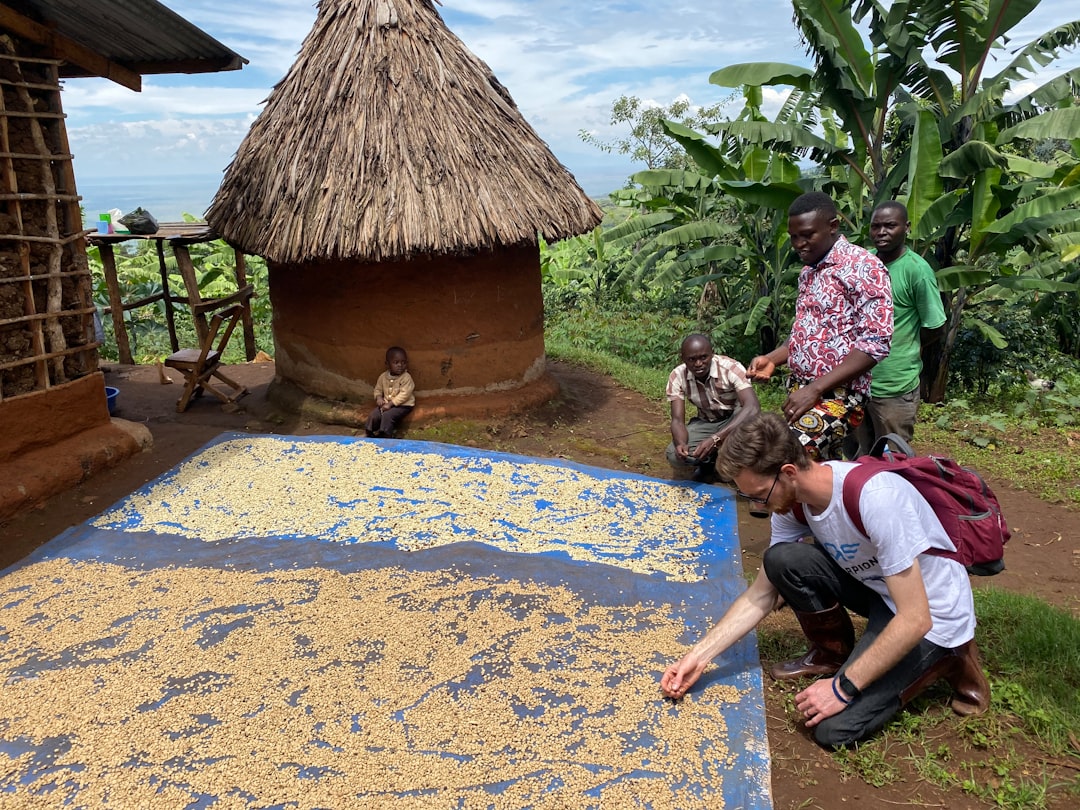
Community land makes up an estimated 67 percent of Kenya’s total land area, yet for decades it sat in a kind of legal limbo, neither properly registered nor adequately protected from being allocated away from the communities who depended on it. The Community Land Act, 2016 was enacted to give effect to Article 63 of the Constitution of Kenya 2010, finally creating a registration framework that places community land on equal legal footing with public and private land. This guide explains how the Act works, who manages community land, and what registration involves.
What Counts as Community Land
Article 61 of the Constitution classifies all land in Kenya into three categories: public, private, and community land. Community land is defined broadly to include land lawfully registered in the name of group representatives, land transferred to a specific community, and land lawfully held, managed, or used by particular communities as community forests, grazing areas, or shrines. It also extends to ancestral lands and lands traditionally occupied by hunter-gatherer communities, and any other land declared to be community land by an Act of Parliament. In practical terms, this captures a vast range of land that previously fell under the old Trust Land regime, where county councils held land on behalf of communities but with limited transparency or community control over how it was used or disposed of.
County Government Trusteeship of Unregistered Land
Until community land has actually been registered under the Act, it remains unregistered community land, held in trust by the relevant county government on behalf of the communities entitled to it, pursuant to Article 63(3) of the Constitution. This trusteeship comes with significant restrictions. A county government holding unregistered community land in trust is prohibited from selling, disposing of, transferring, converting for private purposes, or otherwise dealing with that land, since it does not own the land outright but merely administers it pending registration. This was a deliberate response to historical abuses where county and former local government bodies allocated or disposed of community land without meaningful community consent.
The Community Land Management Committee
Communities seeking to register their land must first organise themselves formally. The process begins with a community assembly, a gathering of the registered adult members of the community, electing a Community Land Management Committee, commonly known as the CLMC, made up of between seven and fifteen members. The Community Land Registrar facilitates this process by publishing notice of the meeting in at least one newspaper of nationwide circulation and on a radio station of nationwide coverage, and by notifying national and county government administrators in the relevant area, to ensure the broadest possible participation from community members before the committee is elected.
Once established, the CLMC is responsible for the day-to-day management and administration of the community’s land and natural resources, coordinating land use planning, evaluating applications for land allocation or partnerships with outside parties, and compiling the documentation needed for formal registration, including a register of community members, the community’s rules and by-laws, and minutes of the founding assembly meeting.
Registering a Community and Its Land
Registration happens at two levels. At the community level, the CLMC compiles the necessary documentation and applies to the Community Land Registrar for registration of the community itself. At the ministry level, the Cabinet Secretary responsible for land, working with county governments, develops a comprehensive adjudication programme and appoints an adjudication officer for each community registration unit. That officer facilitates, in consultation with the relevant county government, the adjudication of the community’s land, including recording claims, demarcating boundaries, and delineating the area to be registered, following a process that runs alongside the general land adjudication framework used elsewhere in Kenyan land law.
Once adjudication is complete, the Registrar issues title in the prescribed form and enters the community land register, which includes a cadastral map showing the extent of the community land and any areas of common interest, the name of the community, and related particulars. Pending the issuance of a full certificate of title, the Registrar may issue a certificate of reservation as an interim measure, giving the community some documented standing while the registration process is finalised.
Decision-Making Within a Registered Community
Once registered, decisions about the community’s land follow defined voting thresholds rather than being left to informal consensus. Any decision to dispose of or otherwise alienate community land requires the support of at least two-thirds of the registered adult members of the community, a deliberately high threshold reflecting the significance of permanently parting with communal land. All other decisions of the registered community are made by a simple majority of members present at a properly convened meeting. A registered community may also, by a two-thirds majority resolution of the community assembly, reserve a portion of its land for special purposes such as farming, settlement, conservation, cultural or heritage sites, or urban development.
Land that was already being used communally for a public purpose before the Act came into force is treated as public land, vested in the national or county government depending on the nature of the use, rather than becoming part of the registered community’s holding. This distinction matters for community land that overlaps with infrastructure, schools, or other public facilities established before registration.
Individual Allocations Within Community Land
Registration of land in a community’s name does not prevent individual members from being allocated specific portions for personal use, such as a homestead or farming plot. However, these allocations operate differently from individual freehold ownership. The community’s underlying rights in the land continue to take precedence over any individual allocation, and allocated land that is no longer required by the individual member is generally expected to revert to the community rather than being treated as a separate, freely transferable asset. Anyone acquiring an interest in land that originates from a community allocation should verify the actual legal basis of that interest carefully, since it may not carry the same transferability or mortgageability as a registered individual title.
What This Means for Investors and Developers
Investors seeking to use community land for commercial purposes, whether for agriculture, tourism, conservancies, or extractive projects, must engage directly with the registered community and its CLMC rather than relying on county government approval alone once land has been registered. The Act allows communities to enter agreements with investors covering matters such as environmental, social, and economic impact assessment, land rehabilitation, capacity building, and technology transfer, but any such agreement needs to be properly authorised through the community’s own decision-making structure to be valid and enforceable. Developers who proceed on the basis of an agreement with a CLMC that lacked proper authority from the community assembly risk having that agreement challenged later, which makes early and transparent engagement with the full community essential rather than optional.
How We Can Help
Clay & Associates Advocates advises communities navigating registration under the Community Land Act, county governments managing trusteeship obligations, and investors structuring agreements involving community land. We also advise on the interaction between community land registration and broader family and customary land succession issues that frequently arise alongside it. If you are involved in a community land registration process or structuring an investment on community land, our property and real estate team can guide the engagement.
For the governing legislation, see the Community Land Act, 2016 on the Kenya Law website. Related property due diligence considerations are covered in our guide to Property Due Diligence in Kenya.