The state’s power to take privately owned land for a public purpose is real, constitutionally protected, and frequently misunderstood by the property owners it affects. A road widening, a power line corridor, a public school extension, or an airport expansion can all trigger compulsory land acquisition under the Land Act, 2012. The process is not a negotiation the owner can simply refuse, but it is also not a taking without recourse. This article sets out how compulsory acquisition actually works under Kenyan law, what compensation an owner is entitled to, and where the process can be challenged.
The constitutional starting point
Article 40(3) of the Constitution permits the State to deprive a person of property only for a public purpose or in the public interest, and only subject to prompt payment of compensation. The Land Act, 2012 gives this constitutional guarantee its procedural detail. Compulsory acquisition is defined in section 2 of the Act as the power of the State to acquire an interest in land for a public purpose, subject to prompt payment of compensation, and the same section defines “prompt” as within a reasonable time, and in any event not more than one year after the State takes possession. That one-year outer limit is a useful benchmark for any owner trying to assess whether a delayed payment has become unlawful.
How the process begins: preliminary notice and entry
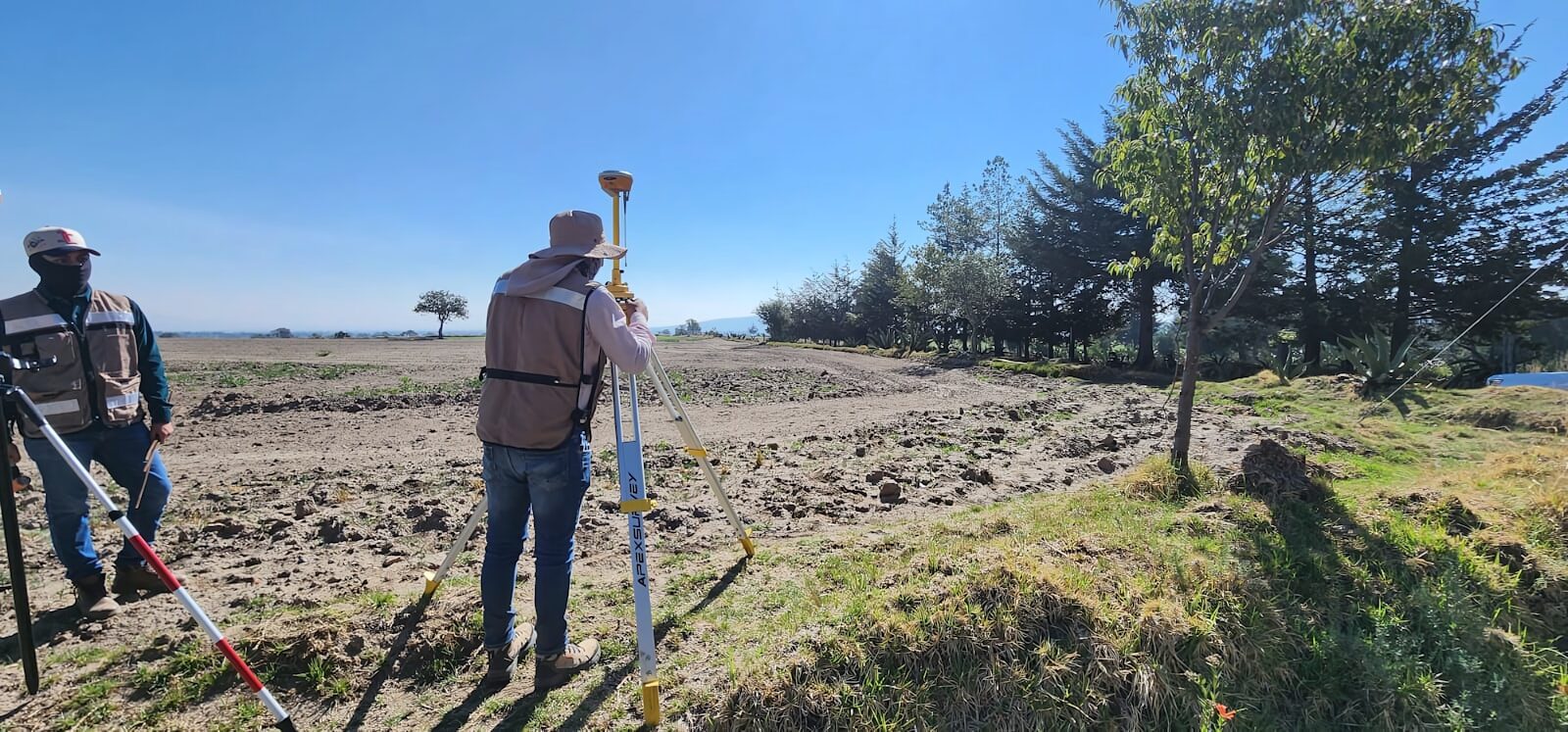
Compulsory acquisition under Part VIII of the Land Act starts with a preliminary notice issued under section 107, published in the Kenya Gazette and served on persons with a registered interest in the affected land, signalling the National Land Commission’s intention to acquire. Sections 108 and 109 then permit officers to enter the land to inspect and survey it in preparation for acquisition, and section 109 specifically requires compensation for any damage the entry itself causes, separate from the compensation for the land eventually taken. An owner who receives a preliminary notice should treat it as the point to start assembling proof of title, valuation evidence, and any documentation of improvements on the land, rather than waiting for the formal notice of acquisition that follows.
The notice of acquisition and the inquiry
Once the Commission decides to proceed, section 110 provides for a notice of acquisition, which is the point at which the acquisition becomes binding and addresses how the taking affects plant, machinery, and other fixtures on the land. Sections 112 and 113 then set out an inquiry process: the Commission holds an inquiry to determine who is interested in the land, the value of each interest, and the amount of compensation payable, before making a formal award. This inquiry is the owner’s principal opportunity to place valuation evidence on record, and an owner who does not participate risks having compensation assessed without the benefit of their own valuer’s input.
How compensation is actually assessed
Section 111 requires that compensation be assessed on a full and fair basis, reflecting the value of the interest taken as though the acquisition had not been proposed, so that speculative inflation caused by the announcement of the project itself is not factored into the valuation, and neither is any depreciation caused by the prospect of acquisition. In practice this means the Commission’s valuer and the owner’s own independent valuer will assess market value based on comparable transactions, the land’s current and permitted use, and the value of any buildings, crops, or other improvements, rather than on what the land might become worth once the public project is complete. Owners are entitled to commission their own valuation and to have it considered at the inquiry rather than accepting the Commission’s figure without challenge.
Payment, interest on delay, and additional compensation
Section 115 provides for payment of compensation following the award, and section 119 addresses interest where payment is delayed, giving the one-year “prompt” benchmark in section 2 real teeth: an owner who has not been paid within a reasonable time, and certainly not within a year of the State taking possession, has a basis to demand statutory interest on the outstanding sum. Section 120 further provides for additional compensation where the land taken is later found to be greater in area than originally assessed, protecting an owner against undercompensation caused by inaccurate survey work at the outset.
Challenging the award
An owner who disputes the amount or basis of an award is not without recourse. Section 127 allows disputed matters to be referred back to the Commission for determination, and section 128 provides for a reference to the Environment and Land Court, which has jurisdiction to hear disputes over the adequacy of compensation and the legality of the acquisition itself. Because the ELC route involves formal pleadings, expert valuation evidence, and strict timelines, an owner intending to challenge an award should instruct counsel as early in the process as possible, ideally at the preliminary notice stage rather than after the award has already been made.
How We Can Help
Clay & Associates Advocates advises landowners, developers, and institutions on compulsory acquisition, from responding to a preliminary notice through to a reference before the Environment and Land Court. Our guide to land registration and title deeds covers how to confirm your registered interest before an inquiry, and our property due diligence guide sets out how to verify a property’s status generally. Contact our Real Estate and Property Law practice to discuss a compulsory acquisition notice affecting your land.
Sources: Land Act, 2012; Constitution of Kenya, 2010, Article 40.
Frequently asked questions
Can I refuse to allow my land to be compulsorily acquired?
No. If the acquisition is genuinely for a public purpose and the Land Act procedure is followed, an owner cannot block the taking outright, but can challenge whether the purpose is genuine, whether the procedure was followed correctly, and whether the compensation offered is adequate.
What counts as a “public purpose” under the Land Act?
The Act does not give an exhaustive definition, and disputes over whether a stated purpose is genuinely public, rather than a pretext for a private benefit, are among the grounds an owner can raise before the Environment and Land Court.
How long does the compulsory acquisition process usually take?
There is no fixed statutory timeline from preliminary notice to payment, but the “prompt” compensation standard in section 2 sets a one-year outer limit from the taking of possession, after which unpaid compensation begins to attract statutory interest under section 119.
Do I need my own valuer, or can I rely on the Commission’s valuation?
You are entitled to commission an independent valuation and present it at the inquiry. Relying solely on the Commission’s valuer removes the main practical check available to an owner during the process.