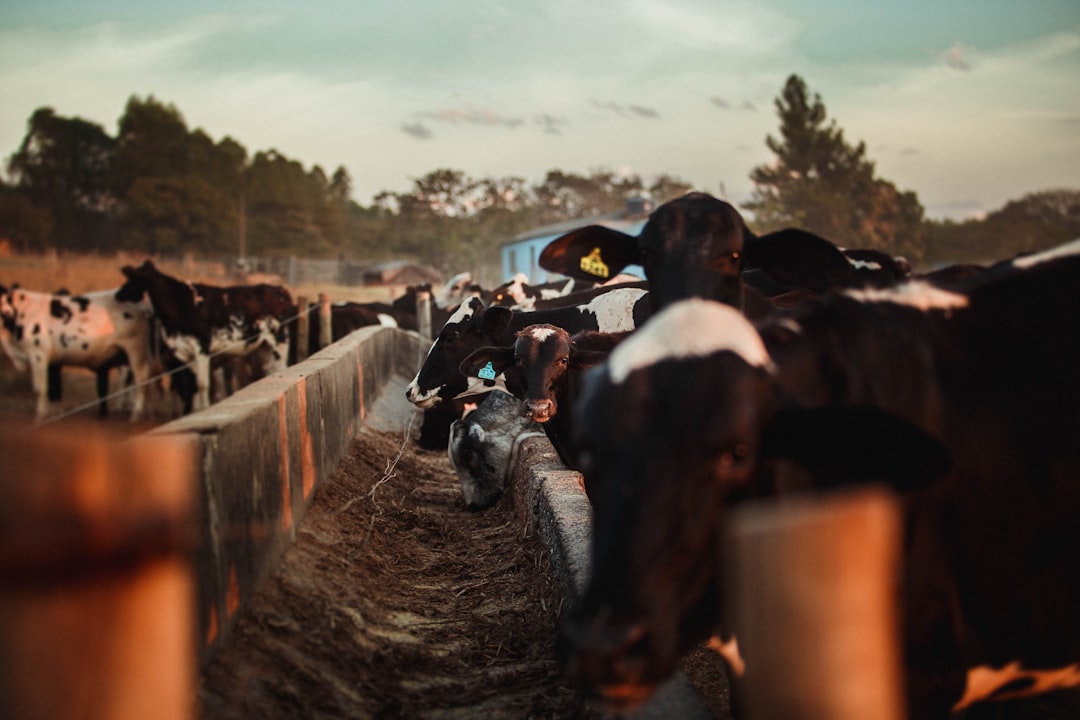
Kenya’s dairy sector is one of the most tightly regulated parts of the country’s manufacturing economy, because milk is a high-volume perishable product that touches public health, farmer livelihoods and export markets at once. Anyone setting up a dairy processing plant, whether a UHT line, a cheese and yoghurt facility, or a mini-dairy scaling into a full processor, must satisfy the Kenya Dairy Board (KDB) as sector regulator, comply with the Dairy Industry Act framework and its 2021 regulations, meet Kenya Bureau of Standards (KEBS) product specifications, and pass public health and food safety requirements administered alongside county authorities. Missing any one layer can delay commissioning or block a product from reaching shelves. This guide sets out what a prospective processor needs to know before the first litre is processed.
Kenya Dairy Board Licensing for Processors
The Kenya Dairy Board is the statutory regulator for Kenya’s dairy industry, established under the Dairy Industry Act (Cap. 336) as a body corporate empowered to organise dairy production and processing, improve quality, and ensure an efficient supply of milk and milk products. No person may operate a processing plant, cooling plant, mini-dairy, milk bar or related dairy premises without the relevant KDB permit. KDB’s published fee schedule sets separate processor categories by throughput: a processor handling more than 20,000 litres of milk per day pays an annual permit fee of KES 50,000, while a processor below that threshold pays KES 25,000 annually, with no separate application fee. Smaller operators fall under other categories, such as a mini-dairy permit (500 kg to 10,000 kg handled daily) and a cottage industry permit for farm-level processing not exceeding 500 kg per day, both currently free. Processors trading across borders need a separate import or export permit, with an annual import fee of KES 100,000 against an annual export fee of KES 1,000.
KDB’s guidance describes a staged path to licensing: before construction, an applicant should secure NEMA and county approvals and submit design plans to KDB to obtain an ‘assurance letter’ that frames licence issuance once the project completes; once the facility is ready, a preliminary inspection, formal online application, and final inspection follow before the annual fee is paid and a one-year, renewable permit is issued. Licensed processors must also pay monthly cess and levy where applicable, and KDB can suspend a permit for breach of licence conditions.
The Dairy Industry Act Framework
The Dairy Industry Act, Cap. 336, is the primary legislation underpinning the sector. Section 4 establishes the Kenya Dairy Board, and section 5 sets its twelve-member composition, including producer and consumer representatives appointed by the Cabinet Secretary. Section 17 lists the Board’s core functions, and section 19 gives the Cabinet Secretary broad regulation-making power covering grading and standardisation of dairy produce, registration and licensing of industry participants, and cess and levies. Breach of regulations made under the Act attracts a fine or imprisonment under section 20(c), while section 33 separately penalises primary producers who fail to register with the Board.
The Act is deliberately framework legislation: the operational detail a processor must comply with sits in subsidiary legislation made under section 19, chiefly the Dairy Industry (Registration, Licensing, Cess and Levy) Regulations, 2021, which flesh out the licensing regime above, and the Dairy Industry (Dairy Produce Safety) Regulations, 2021, covered below. Related 2021 regulations also cover carriage of milk, milk sales contracts, and imports and exports of dairy produce. A processor should treat the Act and its 2021 regulations as one package, since most compliance obligations sit in the regulations rather than the Act’s own text.
Raw Milk Sourcing and Collection Centre Requirements
A processing plant is only as compliant as its raw milk supply chain, and Kenyan law regulates collection centres almost as closely as the plant itself. Under the Dairy Produce Safety Regulations, 2021, a collection centre must be designed, located and constructed so it will not contaminate the milk or the environment, with smooth, cleanable interior surfaces, drained water-resistant flooring, adequate ventilation, a shaded platform for milk cans and coolers, potable water for cleaning equipment, and toilets positioned away from milk handling areas. Staff must carry out basic quality checks before accepting milk, weigh and record every delivery, reject non-compliant milk rather than blend it into compliant supply, and clean and sanitise storage tanks after each emptying.
For a processor, this matters directly: KDB and public health inspectors treat the collection centre as an extension of the plant’s food safety system, and sourcing from unlicensed centres, or without proper milk sales contracts with farmers or cooperatives, risks product recalls and regulatory exposure. New processors should build supplier due diligence, including confirming that collection centres and coolers hold their own KDB permits, into procurement contracts from the outset.
KEBS Product Standards
Once milk reaches the plant, the finished product must meet the relevant Kenya Bureau of Standards specification before sale. KEBS maintains detailed standards, many harmonised at East African Community level as KS EAS standards, for individual dairy categories: pasteurised milk is governed by KS EAS 69:2023 and UHT milk by KS EAS 27:2023, while flavoured milk and dairy-based desserts have their own dedicated standards. A processor should identify the standard applicable to each product line, since compositional, microbiological and labelling requirements differ by category. Locally manufactured products within a compulsory Kenya Standard generally require a permit to use the Standardisation Mark (the S-Mark), obtained through a factory audit and ongoing surveillance testing; KEBS also operates a Diamond Mark for products exceeding the baseline standard. A new processor should factor certification, including laboratory testing and audit lead times, into its pre-launch timeline, since production cannot lawfully reach the market without it.
Public Health and Food Safety Compliance
Dairy plants sit within Kenya’s general public health and food safety framework in addition to the dairy-specific regime above. The Dairy Produce Safety Regulations impose hygienic design and operating requirements directly on processing plants: separate designated areas for reception, processing, packaging, equipment cleaning and handling returned product; impervious walls to at least one metre, washable ceilings, and openings screened against pests; hand-washing stations with running water, soap and paper towels; and a ban on eating, smoking or chewing while handling product. Personnel must undergo medical examination and demonstrate competence, and only approved methods, namely pasteurisation, aseptic processing, retort sterilisation, or refrigeration following pasteurisation, may be used, with cleaning records kept for at least a year and monthly rejection reports submitted to KDB.
Separately, dairy premises require public health approval, generally administered by county public health officers under public health legislation applicable to food premises, covering waste disposal, pest control and health certification of food handlers. Because county requirements and fees vary and are set locally, a processor should confirm current requirements with the relevant county rather than assume a single national standard.
How We Can Help
Setting up a dairy processing plant in Kenya means coordinating approvals across the Kenya Dairy Board, KEBS, NEMA, county government and public health authorities, often alongside raising finance and negotiating supply contracts with farmers or cooperatives. Clay & Associates Advocates advises dairy processors and investors on structuring the project from the ground up, including company formation, securing KDB and KEBS approvals, drafting milk supply and collection agreements, and reviewing land and construction-related contracts before a plant is built. For manufacturers wanting their broader licensing position reviewed as a whole, our Regulatory & Compliance practice works alongside our Corporate & Commercial practice to help dairy businesses get their structure and licences right from the outset.
Sources: Kenya Dairy Board, Permit Categories and Fees, Kenya Dairy Board, Licensing Procedures, Dairy Industry Act, Cap. 336 (Kenya Law), Dairy Industry (Dairy Produce Safety) Regulations, 2021, Legal Notice No. 22 (Kenya Law), KS EAS 69:2023, Pasteurized Milk – Specification (KEBS), KS EAS 27:2023, UHT Milk – Specification (KEBS Webstore), Kenya Bureau of Standards, Food and Agriculture.
Frequently asked questions
Do I need a separate KDB licence for each dairy product I manufacture?
No. KDB licenses the plant itself under a processor permit, categorised by daily throughput, alongside any import or export permits needed. Product-specific compliance runs through KEBS instead, which requires the finished product to meet the relevant Kenya Standard, such as KS EAS 69:2023 for pasteurised milk or KS EAS 27:2023 for UHT milk.
Can I start construction before applying for a KDB licence?
KDB expects an applicant to obtain NEMA and county approvals and submit design plans before or during construction, receiving an assurance letter that frames licence issuance once the project completes. The formal application, inspection and fee payment happen once the facility is built.
Does sourcing raw milk from independent farmers rather than a licensed collection centre create legal risk?
Yes. Collection points are themselves subject to design, hygiene and record-keeping requirements, and KDB expects processors to trace their raw milk supply through compliant channels. Sourcing from unlicensed arrangements increases both food safety risk and regulatory exposure.
Is the KES 50,000 processor permit fee the only cost of KDB compliance?
No. The annual permit fee covers the licence itself, but licensed processors also pay monthly cess and levy where applicable, in addition to KEBS certification, county public health fees, and any NEMA-related environmental costs.