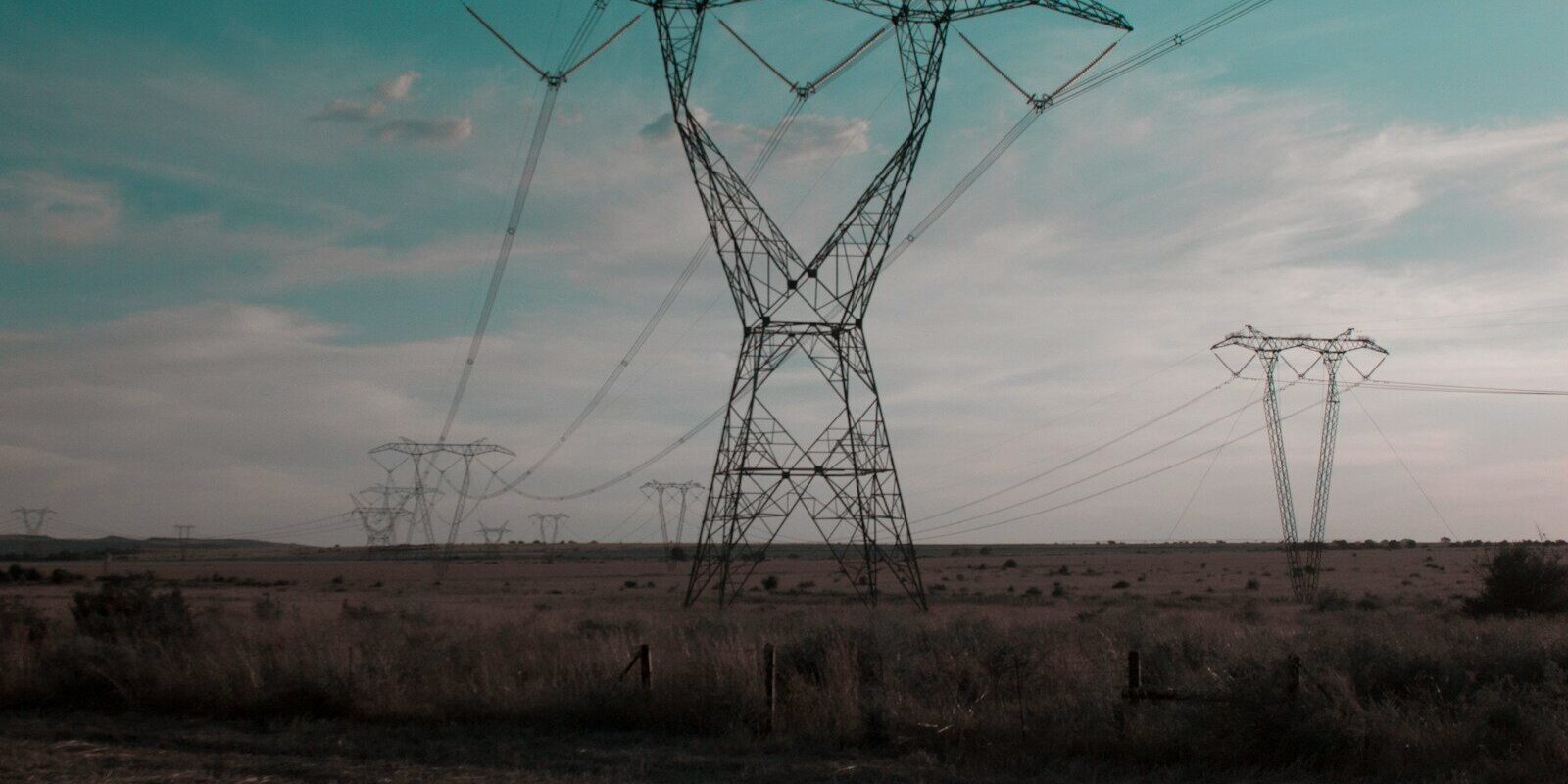
Kenya’s data centre pipeline keeps growing, and every new facility eventually asks the same practical question: how does a large load actually get connected to the grid, and on what terms. The answer is not the congestion-queue story familiar from more constrained grids overseas. Kenya’s transmission network is the bottleneck, not its generation fleet, and a data centre developer negotiating a connection agreement needs to understand that distinction before it shapes their timeline and their tariff exposure.
A Different Starting Point From Western Grids
In grids like Great Britain’s, new large loads and generators alike often queue for years behind a transmission connection date set by a formal queue management process, because installed generation capacity already strains what the wires can carry. Kenya’s position is close to the opposite. The country has a substantial surplus of installed generation capacity, heavily geothermal and increasingly renewable, but the transmission network built to move that power to where large loads actually sit has not kept pace, and reinforcement projects take years to permit and build. For a data centre developer this means the generation is very often there; the practical constraint is whether a substation near the proposed site has the transmission and distribution capacity to deliver it, and if not, who pays and how long it takes to reinforce that link.
The Legal Framework Governing Connection
The Energy Act, 2019 establishes the regulatory architecture, with the Energy and Petroleum Regulatory Authority licensing generation, transmission and distribution, and the Kenya Power and Lighting Company holding the transmission and distribution licence for most of the country outside the geothermal-heavy areas served by KenGen’s own infrastructure. The Energy (Electricity Market, Bulk Supply and Open Access) Regulations, 2024 set out the framework for open access to the transmission and distribution network, including the terms on which a large consumer can procure power directly from a generator or an independent power producer rather than solely through KPLC’s standard retail tariff, and the wheeling charges payable for using the network to move that power. A data centre load large enough to justify direct connection at transmission voltage, rather than taking a standard distribution-level supply, will typically need a bespoke connection agreement with KPLC covering the technical connection standard, the cost allocation for any network reinforcement required, and the commercial supply or wheeling arrangement layered on top of it.
Captive Generation as a Parallel Track
Because grid connection timelines and reinforcement costs are not always predictable, many data centre operators in Kenya are building captive or embedded generation, typically solar with battery storage or gas, sized to cover baseload demand with grid supply retained as backup or top-up. The Energy Act’s licensing exemptions become relevant here: self-generation for a developer’s own consumption below the one megawatt threshold set out in the Act’s licensing exemption schedule does not require a generation licence, which materially simplifies a hybrid grid-plus-captive strategy for smaller facilities, though most hyperscale data centre loads will exceed that threshold and need to structure their captive generation as a licensed activity or under EPRA’s own generation licensing exemption criteria for larger self-generation. Whichever route applies, the interconnection agreement between the captive plant and the KPLC network still needs to address synchronisation, protection standards and the treatment of any exported surplus.
Open Questions the Market Is Still Working Through
Industry commentary through 2026 has flagged genuine uncertainty about how open access wheeling will work at data centre scale once multiple large loads compete for capacity on the same constrained corridors, an uncertainty this article should be honest about rather than resolve with confidence the current framework does not yet support. The 2024 Regulations set out the open access and wheeling principles, but the detailed implementation, including how KPLC prioritises reinforcement investment across competing connection requests and how wheeling charges are calculated for very large point-to-point loads, is still being worked out in practice rather than fully codified. A developer negotiating a connection agreement today should expect commercial terms to be negotiated bilaterally with KPLC against this backdrop, with less regulatory precedent to lean on than a developer in a more mature open-access market would have.
Structuring the Connection Agreement
A data centre developer should treat the connection agreement as a commercial negotiation, not a standard form to be accepted as offered. Key issues to negotiate include a firm connection date with defined consequences for KPLC delay, a clear allocation of reinforcement costs between the developer and the network (Kenyan practice has historically required large new loads to fund some or all of the dedicated reinforcement their connection requires), the wheeling charge methodology if the facility intends to source power under an open access arrangement rather than standard retail tariff, and step-in or interconnection rights if the facility adds captive generation later. Developers should also confirm early whether the proposed site sits within KPLC’s licensed area or KenGen’s direct-supply geothermal zones, since the counterparty and applicable tariff framework differ.
How We Can Help
Clay & Associates Advocates advises data centre developers and operators on grid connection, open access and captive generation arrangements in Kenya. Our analysis of wheeling arrangements under Kenya’s energy framework covers the open access mechanics in more detail, and our guide to data centre colocation contracts addresses the commercial terms once power is secured. Contact our Technology & Startups practice to structure your facility’s connection strategy.
Sources: The Energy Act, 2019; The Energy (Electricity Market, Bulk Supply and Open Access) Regulations, 2024.
Frequently asked questions
Does Kenya operate a formal grid connection queue like some Western markets?
No. Kenya has surplus generation capacity relative to demand in most areas; the practical constraint on a new large connection is transmission and distribution capacity at the local substation, not a queue behind constrained generation.
Can a data centre bypass KPLC entirely with its own generation?
Only below the one megawatt self-generation threshold in the Energy Act’s licensing exemptions without needing a generation licence. Most large data centre loads exceed this and need either a licensed generation structure or a hybrid grid-plus-captive arrangement.
Who pays for network reinforcement needed to connect a large new load?
Kenyan practice has generally required the developer to fund some or all of the dedicated reinforcement its connection requires, though this is a negotiated term of the connection agreement rather than a fixed statutory formula.
Is the open access wheeling framework fully settled for large loads?
The 2024 Regulations establish the principles, but detailed implementation at data centre scale, including capacity allocation and wheeling charge calculation for very large point-to-point loads, is still developing in practice.