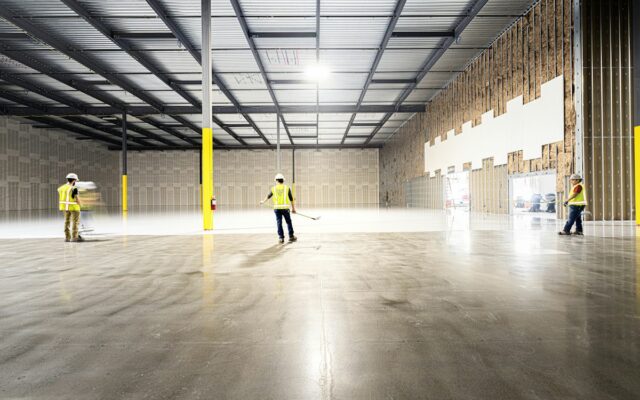
Kenya’s manufacturing sector runs on machinery, chemicals, and dense workforces, which is why it sits at the centre of the country’s occupational safety framework. The Occupational Safety and Health Act, 2007 (OSHA 2007) governs how factories and other workplaces must be registered, assessed for risk, and inspected, and it gives the Directorate of Occupational Safety and Health Services (DOSH) real enforcement teeth. For manufacturers, compliance is not a paperwork formality: an unregistered factory, a missing risk assessment, or an ignored improvement notice can halt production, trigger prosecution, and expose directors to personal liability. This article sets out what the law actually requires, using the Act’s own section numbers.
The Occupational Safety and Health Act, 2007 and DOSH’s mandate
OSHA 2007 repealed and replaced the older Factories and Other Places of Work Act, extending safety obligations beyond factories to almost every workplace in Kenya. Section 23 establishes the Director of Occupational Safety and Health Services, who administers the Act and sits as an ex officio member of the National Council for Occupational Safety and Health. In practice, DOSH is the operational arm of the State Department for Labour and Skills Development: it registers workplaces and plant, trains and certifies safety committees, investigates accidents, and inspects premises for compliance.
The Act applies to the “occupier” of a workplace, a term covering the person or company in actual occupation or control of the premises, which for most manufacturers is the factory operating company rather than the landlord. Directors and managers exercising day-to-day control can also be treated as occupiers for enforcement purposes, so compliance sits with operational management, not only a designated safety officer.
Factory and workplace registration with DOSH
Section 44 of OSHA 2007 requires that before any person occupies or uses premises as a workplace, they must apply for registration by giving the Director written notice containing the particulars set out in the Fourth Schedule to the Act. Once satisfied the premises are suitable for the stated use, the Director registers the workplace and issues a certificate of registration on payment of the prescribed fee. Workplaces already registered under the old Factories and Other Places of Work Act are deemed registered under OSHA 2007, so long-established factories do not start from zero, though renewals and changes still have to be notified. Section 44(7) requires an occupier to notify the Director in writing of any proposed change to the registered particulars before making the change, and Section 44(9) gives a person aggrieved by a registration decision a right of appeal, within fourteen days, to an appeal committee appointed under Section 46.
Operationally, DOSH’s own registration service (run through its DOSHMIS platform and county offices) processes applications on forms such as DOSH 21A and DOSH 23, involving self-assessment, county-level review, and payment of a registration fee and an OSH levy before headquarters issues the Workplace Registration Certificate. DOSH separately registers certain plant, such as boilers, hoists, lifts, and compressors, on a dedicated form. Fee and levy rates are set administratively and revised periodically; we could not verify a current figure against a primary DOSH source, so manufacturers should confirm current amounts directly with DOSH or their county labour office rather than relying on this or any other published article.
Risk assessment and general duties of occupiers
Section 6 of OSHA 2007 places a general duty on every occupier to ensure, so far as reasonably practicable, the safety, health, and welfare of everyone employed at the workplace. Section 6(3) makes this concrete, requiring occupiers to carry out appropriate risk assessments relating to the safety and health of persons employed and to take the preventive measures that follow. This is not a one-off exercise: a risk assessment must reflect the actual hazards of a manufacturing environment, such as moving machinery, chemical exposure, noise, manual handling, and confined spaces, and be reviewed as processes, equipment, or staffing change.
The Act also requires occupiers to provide and maintain safe plant and systems of work, safe arrangements for handling and storing substances, adequate information, instruction, training and supervision, and a safe working environment with adequate welfare facilities. For manufacturers, this generally translates into documented standard operating procedures, machine guarding, personal protective equipment, and a permit-to-work system for high-risk tasks.
Safety and health committees
Section 9(1) of OSHA 2007 requires every occupier to establish a safety and health committee at the workplace where there are twenty or more persons employed, or where the Director directs that one be established regardless of numbers. This is a firm, verifiable threshold in the Act itself, and manufacturers of almost any real scale will cross it. The committee’s organisation and functions, and the election and duties of workplace safety representatives, are governed by regulations the Cabinet Secretary is empowered to make under Section 9(2), and DOSH runs dedicated OSH committee training to help members carry out their role.
Section 9 also protects committee members from victimisation: an occupier may not penalise an employee for anything done in furtherance of the committee’s objectives, and contravening the section is itself an offence. A properly constituted committee gives manufacturers a structured channel for raising hazards, reviewing incidents, and demonstrating to inspectors that safety is managed on an ongoing basis rather than only on paper.
Inspection powers and enforcement
Section 32 gives occupational safety and health officers wide powers to enter and inspect any workplace, examine plant and processes, take measurements, photographs, and samples, require production of documents, and question anyone on the premises about compliance. Inspectors can issue improvement notices requiring corrective action within a set period, and in serious cases prohibition notices stopping the use of dangerous plant or a dangerous process until the risk is addressed. Refusing entry, obstructing an officer, or ignoring a notice are themselves offences, and DOSH can refer serious or repeated non-compliance for prosecution and investigates the accidents and dangerous occurrences occupiers are required to report.
Penalties for non-compliance
OSHA 2007 backs its obligations with specific criminal penalties. Section 44(5) makes it an offence to occupy or use premises as a workplace without a certificate of registration, punishable on conviction by a fine not exceeding one hundred thousand shillings, imprisonment for a term not exceeding three months, or both, plus a further daily fine of up to ten thousand shillings (or up to seven days’ imprisonment) for each day the contravention continues after conviction. Failing to notify the Director of a change in registered particulars under Section 44(7) carries the same range of penalties under Section 44(8).
Where the Act specifies no penalty, Section 109 supplies a general one: an occupier or self-employed person who contravenes any provision commits an offence and is liable, on conviction, to a fine not exceeding five hundred thousand shillings, imprisonment not exceeding six months, or both. Other provisions carry their own, sometimes higher, penalties, including for offences connected with accidents causing death or serious injury. Manufacturers facing an enforcement notice or prosecution should have counsel confirm the penalty currently applicable to the specific section DOSH relies on, rather than assuming figures apply unchanged to every provision.
How We Can Help
Clay & Associates Advocates advises manufacturers and industrial occupiers on the full lifecycle of occupational safety compliance in Kenya, from DOSH workplace and plant registration and risk assessment documentation, to constituting compliant safety and health committees and responding to improvement or prohibition notices. Where an inspection has escalated into an enforcement notice, a proposed prosecution, or a dispute over a registration decision, our Regulatory & Compliance team represents occupiers before DOSH and, where necessary, on appeal or in court, while resolving the underlying safety gap so the business can keep operating lawfully.
Sources: Occupational Safety and Health Act, 2007 (Kenya Law); Occupational Safety and Health Services, Ministry of Labour and Skills Development; Registration and Renewal of Workplaces, DOSHMIS; OSH Committee Training, DOSHMIS.
Frequently asked questions
Does every manufacturer in Kenya have to register its factory with DOSH?
Yes. Section 44 of OSHA 2007 requires anyone occupying or using premises as a workplace, which includes every factory, to apply for registration with the Director before doing so, and it is an offence to operate without a certificate of registration.
At what point does a company need to set up a safety and health committee?
Section 9(1) requires a safety and health committee once a workplace has twenty or more employees, or whenever the Director directs one regardless of headcount. Most manufacturing operations will meet this threshold quickly as they scale.
What can a DOSH inspector do during a site visit?
Under Section 32, an officer can enter and inspect the workplace, examine plant and processes, take measurements, photographs, and samples, demand documents, and question staff about compliance, then follow up with improvement or prohibition notices where hazards are found.
What happens if a factory ignores a DOSH notice or operates unregistered?
Operating unregistered exposes the occupier to a fine of up to one hundred thousand shillings, up to three months’ imprisonment, or both, plus a daily penalty for continued non-compliance. Other breaches, including ignoring enforcement notices, fall under the Act’s general penalty in Section 109 or specific offence provisions, and can also lead to a shutdown of the offending plant or process.