EPRA licensing Kenya covers petroleum and energy businesses, with the Energy and Petroleum Regulatory Authority overseeing licence applications and compliance. The Energy and Petroleum Regulatory Authority (EPRA) is the statutory regulator for Kenya’s energy sector established under the Energy Act 2019 (No. 1 of 2019). EPRA replaced the Energy Regulatory Commission and assumed additional petroleum sector responsibilities previously held under the Petroleum Act. Any person seeking to generate, transmit, distribute, or supply electricity; import, export, transport, or trade petroleum products; or develop renewable energy projects in Kenya must obtain the appropriate EPRA licence or authorisation before commencing operations.
The Energy Act 2019 Framework in Kenya
The Energy Act 2019 consolidates Kenya’s energy sector regulation into a single framework covering electricity, petroleum, renewable energy, and energy efficiency. EPRA issues subsidiary regulations under the Act and administers the Renewable Energy Feed-In Tariff programme. The Act introduced mandatory energy efficiency obligations for large energy consumers and strengthened EPRA’s enforcement powers.
Electricity Sector Licences
The electricity sector is structured around generation, transmission, distribution, and supply, each requiring separate EPRA authorisation. An electricity generation licence is required by any person generating electricity above prescribed thresholds for supply to the national grid or directly to consumers. The application must include a NEMA-approved Environmental and Social Impact Assessment (ESIA), land rights documentation, a project feasibility study, and technical specifications.
Self-Generation Permit
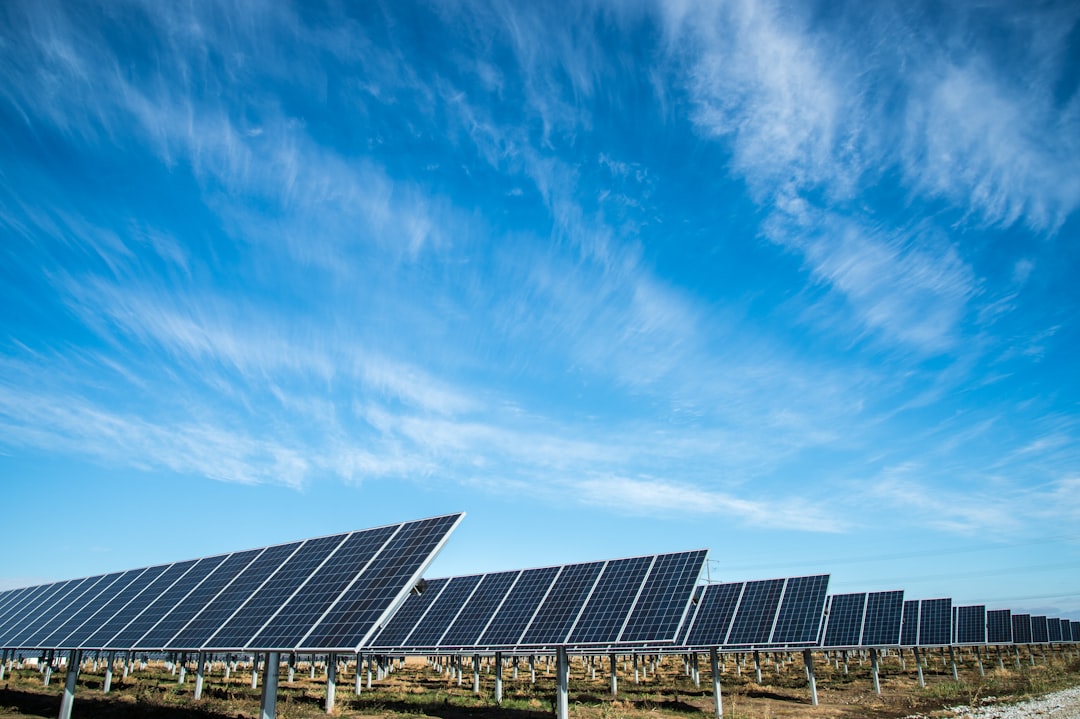
Commercial and industrial entities generating electricity primarily for their own consumption require a self-generation permit rather than a full generation licence. Solar PV systems, backup generators, and distributed generation systems above the prescribed threshold require self-generation permits from EPRA.
Petroleum Sector Licences
The petroleum downstream sector is regulated by EPRA under the Petroleum Act 2019 and the Energy (Petroleum) Regulations. Licences are required for importation of petroleum products, wholesale distribution, retail sale through service stations, and storage facilities. EPRA conducts inspections of licensed petroleum facilities to ensure compliance with safety and quality standards. Petroleum importers must also comply with KEBS petroleum product specifications and KRA customs licensing.
Renewable Energy Licences
Kenya generates over 90% of electricity from renewable sources. EPRA administers the Feed-In Tariff policy for wind, solar, small hydro, biogas, biomass, and geothermal projects. Developers must obtain EPRA generation licences, complete NEMA environmental assessments, secure grid connection agreements with KETRACO or KPLC, and execute power purchase agreements (PPAs).
Energy Efficiency Obligations
The Energy Act 2019 imposes mandatory energy efficiency obligations on large energy consumers. Entities whose annual consumption exceeds prescribed thresholds must appoint designated energy managers, conduct energy audits every three years, submit energy management reports to EPRA, and implement efficiency improvement programmes. EPRA enforces these requirements and may impose significant penalties for non-compliance.
EPRA Enforcement and Penalties
Operating in the energy sector without the required EPRA licence is a criminal offence under the Energy Act 2019, and the penalty structure is worth reading carefully: these are minimum fines, not caps. Section 118 sets a fine of not less than KES 1 million for unlicensed electricity undertakings, while several petroleum-specific offences carry a fine of not less than KES 10 million, in both cases alongside potential imprisonment, and with no stated upper limit. The applicable figure depends on which specific activity and provision is engaged, so a business should confirm the exact section rather than assume a single blanket amount applies across electricity and petroleum activities. EPRA enforcement officers have powers to inspect licensed premises, seize unlicensed equipment, and prosecute unlicensed operators. The Authority also has powers to revoke licences for breach of licence conditions.
Our regulatory compliance practice advises energy developers, petroleum operators, and industrial entities on EPRA licensing and compliance. Further information is available at the EPRA official website. For businesses in the manufacturing sector, energy compliance is a recurring operational legal requirement that must be addressed proactively.
Off-Grid and Distributed Energy Solutions
The Energy Act 2019 specifically provides for off-grid energy solutions as a distinct regulatory category. Off-grid energy systems including solar home systems, mini-grids, and small-scale hydropower projects are encouraged under Kenya’s energy policy to extend electricity access to rural and peri-urban areas not served by the national grid. Mini-grid developers must obtain EPRA generation licences for generating capacity above the prescribed threshold, though expedited licensing procedures apply to systems below 100kW under the Rural Electrification and Renewable Energy Corporation (REREC) programme. Understanding the correct regulatory pathway for off-grid projects is critical for developers seeking to deploy energy solutions outside the national grid footprint.
Key Contracting Issues in Renewable Energy Projects
Renewable energy project development in Kenya involves several layers of contractual arrangements beyond the EPRA licence. A Power Purchase Agreement (PPA) with Kenya Power and Lighting Company (KPLC) or KETRACO is required for projects selling power to the grid. The PPA must be approved by EPRA and must reflect the applicable feed-in tariff rates. Land agreements for project site access, engineering procurement and construction (EPC) contracts, operation and maintenance agreements, and lender security arrangements are all part of the standard project development document set. Legal advisers with energy sector experience are essential for negotiating these complex multi-party arrangements. For energy project regulatory advice, our team advises developers at each stage of the permitting and contracting process.
EPRA Dispute Resolution
Disputes between EPRA licensees and their customers, or between licensees and EPRA itself, are handled through a structured dispute resolution process. Consumer disputes with electricity distributors are referred first to KPLC’s internal complaint process and then to the Energy Tribunal established under the Energy Act 2019. Disputes between licensees and EPRA regarding licence conditions, tariff determinations, or regulatory decisions may be appealed to the Energy Tribunal and from there to the High Court. The Energy and Petroleum Regulatory Authority website provides guidance on the dispute process at epra.go.ke. For businesses in the manufacturing sector with significant energy costs, understanding regulatory dispute options is an important part of energy cost management.
Negotiating Power Purchase Agreements
Power Purchase Agreements (PPAs) are the backbone of independent power producer projects in Kenya. A PPA negotiated with KPLC or directly with an off-taker specifies the capacity committed, the energy tariff, the capacity payment structure, the payment security mechanism, and the step-in rights of lenders. PPA negotiations are complex, typically taking six to eighteen months for large projects. Legal advisers with energy sector project finance experience are essential to negotiate bankable PPA terms. For energy project commercial advisory, our team provides transactional support on PPA structure and negotiation strategy.
Independent Power Producers and Competitive Bidding
Kenya’s energy sector has moved progressively toward competitive bidding for new power generation capacity rather than direct negotiation of PPAs. The EPRA and the Ministry of Energy oversee competitive procurement processes through which Independent Power Producers (IPPs) bid for the right to supply power at a specified feed-in tariff. Competitive bidding has driven down electricity generation costs in Kenya by introducing market discipline into the pricing of new capacity, particularly for solar and wind generation. IPPs participating in competitive bidding must comply with EPRA’s technical and financial pre-qualification requirements, which include minimum financial capacity thresholds, prior project experience, and engineering competence certifications. For IPP project legal support, our regulatory team advises throughout the competitive bidding process from pre-qualification through to financial close.
EPRA and Energy Tariff Regulation
EPRA regulates electricity tariffs charged to end consumers by licensed distribution companies. Tariff applications are reviewed by EPRA against a cost-of-service methodology that ensures tariffs recover the reasonable costs of generation, transmission, and distribution while providing a fair return on investment. Industrial and commercial consumers on large power contracts may negotiate specific tariff arrangements with KPLC or directly with generation companies within the framework approved by EPRA. Understanding the tariff structure and seeking appropriate metering categories can significantly reduce energy costs for large commercial and industrial users. For energy cost management advice, see our manufacturing industry practice.
EPRA’s licensing portal, guidance documents, and published tariff determinations are accessible through the EPRA official website at epra.go.ke. For energy project developers requiring integrated legal advisory across EPRA licensing, NEMA environmental approvals, and PPA negotiation, our regulatory compliance practice provides coordinated support from project inception through to commercial operation. Related energy sector licensing is covered in our guides to oil and gas exploration licensing and mining licences in Kenya.