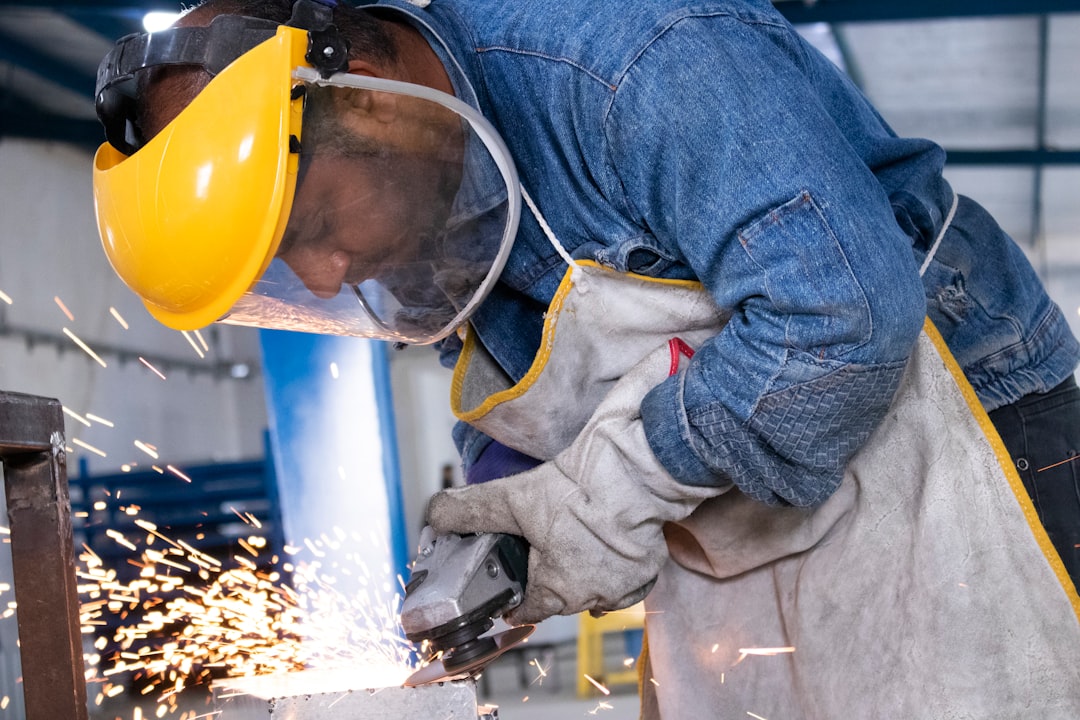
Kenya’s mining reforms have focused heavily on extraction, but the more durable economic prize sits downstream: turning raw iron ore, scrap and other minerals into finished or semi finished products inside the country rather than exporting them raw. Steel mills, rolling mills, foundries and mineral processing plants sit at the intersection of several regulatory regimes at once, the Mining Act for the underlying mineral, KEBS for product quality, and NEMA for the environmental footprint of smelting and casting. This guide is written for manufacturers, investors and financiers looking at value addition facilities rather than mining or quarrying operations themselves; readers looking specifically at exploration and extraction licensing should see our separate guide on obtaining a mining licence in Kenya. What follows sets out how licensing, product standards, environmental approval and local content rules apply once the mineral leaves the pit and enters a furnace, mill or workshop.
Value Addition Is Legally Distinct From Extraction
The Mining Act, 2016 draws its licensing categories, reconnaissance, prospecting, retention and mining licences, around the physical act of taking minerals out of the ground. Value addition and beneficiation are treated differently. Section 4 of the Act defines “mineral dealings” to include cutting, polishing, processing, refining and treating minerals, the language that captures downstream manufacturing activity. Rather than creating a separate licence class for smelters or foundries, the Act folds beneficiation into the mining licence framework itself: section 101(2)(c) requires an applicant for a mining licence to submit a programme of mining operations addressing “the options for minerals beneficiation”, and section 108(2)(b) gives a mining licence holder the right to erect the equipment, plant and buildings needed to mine, transport, dress or treat the recovered mineral. In practice a facility that processes a mineral it also extracts is usually captured within the same mining licence conditions, while a standalone manufacturer buying in ore, scrap or concentrate from third parties is regulated primarily as a manufacturing and mineral dealing business rather than as a mine.
Licensing and Approvals for Processing, Smelting and Foundry Facilities
A standalone iron and steel manufacturer, rolling mill or foundry that does not itself hold a mining licence still needs to work through several approval layers before production starts. Registration as a mineral dealer may be required where the business buys, processes or deals in minerals as defined by section 4 of the Mining Act; the Cabinet Secretary retains power under the Act to prescribe further regulations on processing and dealing, an area where the primary legislation leaves detail to subsidiary regulations rather than a bespoke “processing licence” regime. Alongside this, a manufacturing plant needs the general business licensing any factory requires: county single business permits, physical planning and building approvals for the plant and any furnace or kiln structures, and occupational safety and health registration under the Occupational Safety and Health Act. Investors should treat the mineral dealing question and the standard manufacturing licensing question as separate work streams to clear in parallel, since the mining Ministry and the county licensing authority do not automatically coordinate on a single project timeline.
KEBS Product Standards for Steel and Iron Products
Once a facility is producing, the finished product is regulated by the Kenya Bureau of Standards rather than the mining regime. KEBS operates a mandatory Standardization Mark scheme for locally manufactured goods, under which a manufacturer must have its factory inspected and its products tested against the relevant Kenya Standard before the mark issues, valid for two years and subject to ongoing quality checks on incoming materials, in process production and finished goods. A separate, voluntary Diamond Mark recognises manufacturers meeting a higher standard of quality management and automatically extends to Standardization Mark coverage without further payment. For construction steel specifically, KEBS has intervened directly in the market: from April 2017 it required that only ribbed, deformed reinforcement bars be manufactured and sold in Kenya, banning the twisted steel bars previously in wide use, after concerns that inconsistent strength in twisted bars had contributed to building collapses. Imported steel and iron products are additionally subject to KEBS’ Pre Export Verification of Conformity programme, requiring conformity assessment before shipment. We have not independently verified the exact current Kenya Standard designation numbers for every category of steel product (bars, structural sections, roofing sheet and wire each sit under their own specification); a manufacturer should confirm the applicable KS number directly with KEBS before setting a production specification.
NEMA and Environmental Compliance for Smelting and Foundry Operations
Smelting, foundry and metal treatment operations sit squarely within the environmental licensing regime under the Environmental Management and Co-ordination Act (EMCA). Section 58 requires a project proponent to apply for an Environmental Impact Assessment licence before undertaking a project of the kind listed in the Act’s schedule of activities, which covers manufacturing, mineral processing and metal treatment operations among other categories; section 63 gives the National Environment Management Authority power to issue that licence on appropriate terms and conditions, which for a smelter or foundry will typically address air emissions from furnaces, handling of slag and foundry sand, effluent from cooling and pickling processes, and noise. Section 68 separately requires periodic environmental audits once a facility is operating, so an EIA licence granted at construction stage is not the end of the obligation. Because the precise wording of the listed activities determines whether a given process configuration triggers a full EIA study or a lighter project report, an operator should have NEMA or an experienced environmental consultant confirm the categorisation of its process before finalising plant design.
Local Content Rules and Beneficiation Incentives
The Mining Act builds local content obligations directly into mineral rights, and these carry through to value addition activity linked to a mineral right. Section 50 requires holders of mineral rights to give preference to materials and products made in Kenya and to services offered by Kenyan citizens and community members, a provision that can support a case for local steel and fabricated product off take on mining related infrastructure projects. Section 47(2) requires large scale operations to work toward replacing non citizen technical staff with Kenyan employees within a reasonable period, which manufacturers bringing in specialist smelting or rolling expertise need to plan for from the outset. Beyond the Mining Act, Kenya’s broader investment incentive architecture, Special Economic Zone status with VAT relief, Export Processing Zone tax holidays for export oriented manufacturers, and an investment deduction allowance for larger capital investment outside Nairobi and Mombasa counties, can in principle apply to a steel or mineral processing plant meeting the relevant thresholds. These incentives are not specific to iron, steel or mineral beneficiation, and rates change by Finance Act on a near annual basis, so a specific project should have its eligibility and rate confirmed against the legislation in force at the time of investment.
How We Can Help
Clay & Associates Advocates advises investors and operators on the regulatory pathway for iron, steel and mineral value addition projects in Kenya, from mineral dealing registration and the interface with Mining Act licensing, through KEBS product certification and NEMA environmental approval, to structuring for available investment incentives. Our Regulatory & Compliance team can advise on licensing strategy and compliance for a proposed or existing smelting, rolling or foundry operation, working alongside colleagues on investment structuring where a project also needs corporate or financing advice.
Sources: Mining Act, 2016 (Kenya Law); Environmental Management and Co-ordination Act, 1999 (Kenya Law); Environmental Impact Assessment, National Environment Management Authority; Marks of Quality, Kenya Bureau of Standards; Pre-Export Verification of Conformity, Kenya Bureau of Standards; Kenya bans use of twisted steel bars in construction, The EastAfrican; Kenya Corporate Tax Credits and Incentives, PwC Tax Summaries.
Frequently asked questions
Does a steel mill or foundry need a mining licence?
Not unless it is itself extracting the mineral it processes. A facility buying in ore, scrap or concentrate from third parties is regulated as a manufacturing and mineral dealing business rather than as a mine, though it should confirm its mineral dealer registration status under the Mining Act.
What KEBS certification does an iron or steel manufacturer need?
Locally manufactured steel and iron products generally require the mandatory Standardization Mark, following factory inspection and product testing against the applicable Kenya Standard. Imported steel products are separately subject to KEBS’ Pre-Export Verification of Conformity programme before shipment to Kenya.
Is an Environmental Impact Assessment licence always required for a foundry or smelting plant?
Manufacturing and metal treatment operations generally fall within the categories of activity requiring an EIA licence under EMCA section 58, but the exact scope of study required depends on process configuration and scale, and should be confirmed with NEMA or a qualified environmental consultant at design stage.
Are there tax incentives specific to iron and steel value addition in Kenya?
There is no incentive regime written specifically for iron, steel or mineral beneficiation manufacturing. Projects may instead qualify under general investment incentives such as Special Economic Zone or Export Processing Zone status, or the investment deduction allowance for larger capital projects outside Nairobi and Mombasa, subject to conditions updated by Finance Acts from year to year.