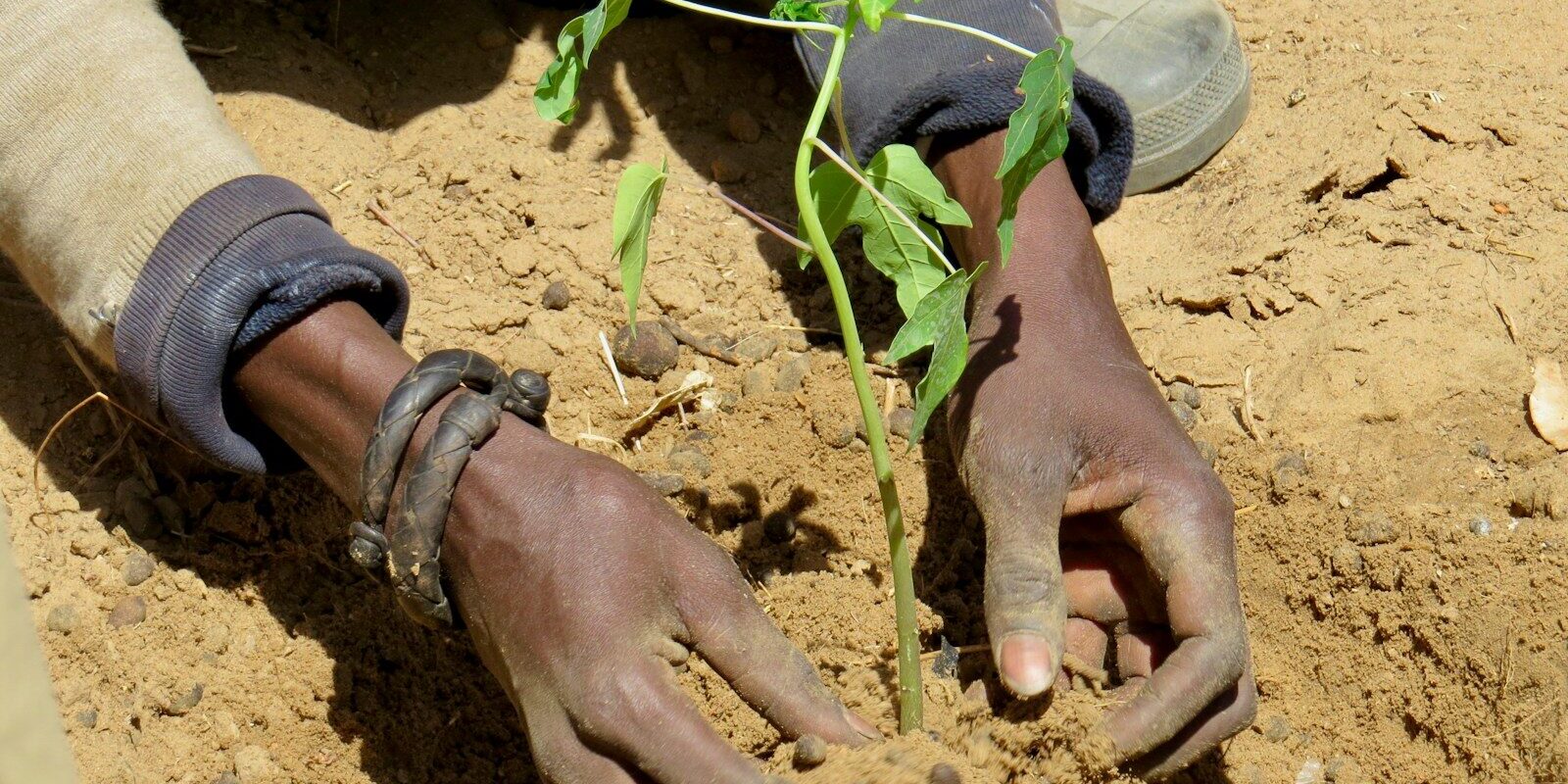
A new maize hybrid, a disease-resistant bean variety, a cut-flower cultivar bred for the export market: these are all forms of intellectual property in Kenya, protected not under the Industrial Property Act or the Copyright Act but under a separate regime built around KEPHIS and Kenya’s membership of the International Union for the Protection of New Varieties of Plants. Plant variety protection is one of the least discussed IP rights in Kenya’s legal market, but for the country’s agricultural exporters and seed companies, it is often the most commercially important one.
The legal basis: the Seeds and Plant Varieties Act
Plant breeders’ rights in Kenya are granted under the Seeds and Plant Varieties Act, Chapter 326 of the Laws of Kenya, first enacted in 1975. The Act establishes a system for testing, registering, certifying, and protecting new plant varieties, and restricts marketing of seed to varieties that meet defined standards. The Kenya Plant Health Inspectorate Service, KEPHIS, is the regulatory body responsible for administering the plant variety protection system, including examining applications and granting breeders’ rights.
UPOV membership: what changed in 2016
Kenya has been a member of the International Union for the Protection of New Varieties of Plants since 13 May 1999. Since 11 May 2016, Kenya has been bound by the 1991 Act of the UPOV Convention, the most recent and most protective version of the Convention, having previously operated under an earlier Act. The shift to the 1991 Act mattered in practice: it widened the scope of a breeder’s exclusive rights to cover production, conditioning for propagation, offering for sale, selling, exporting, importing, and stocking of protected material, not merely the narrower set of acts covered under the earlier framework, and it lengthened the minimum term of protection. The 1991 Act also narrowed the “essentially derived variety” exemption, meaning a variety that is only marginally different from a protected one can still require the original breeder’s authorisation, and tightened the conditions under which farmers may save and replant seed from a protected variety for their own use on their own holdings, a change that has drawn criticism from advocates for smallholder seed sovereignty who argue it favours commercial breeders over traditional farming practice.
What qualifies for protection
To qualify, a variety must satisfy the standard UPOV criteria applied by KEPHIS: it must be new (not previously sold or otherwise disposed of for exploitation), distinct from existing known varieties, uniform in its relevant characteristics, and stable across successive generations, commonly referred to as the DUS test (Distinctness, Uniformity, Stability). KEPHIS conducts DUS testing, which typically runs for around a year, and for many crops the variety must also go through National Performance Trials assessing agronomic performance, which can take one to two further years. In total, breeders should expect the path from application to a granted right to run several growing seasons, not months, a planning consideration that matters for any commercial breeding programme’s timeline.
What the right actually covers
A granted plant breeder’s right gives the holder exclusive control, for the term of protection, over the reproduction, conditioning, offering for sale, selling, exporting, importing, and stocking of propagating material of the protected variety, and, in specified circumstances, of harvested material obtained through unauthorised use of that propagating material. The right does not prevent use of the variety for private, non-commercial purposes, for experimental purposes, or as an initial source of variation for breeding other new varieties, subject to the essentially derived variety limitation described above. Minimum protection duration under the 1991 Act framework is 20 years for most species from the date of grant, and 25 years for trees and vines, a meaningfully longer term than the 15-year maximum that generally applies to industrial designs under Kenya’s Industrial Property Act.
A 2025 ruling on seed sharing and farmers’ rights
The tension between commercial breeders’ rights and smallholder farming practice is not just theoretical. In late November 2025, the High Court sitting in Machakos delivered judgment in Samuel Wathome and 14 Others v. Kenya Plant Health Inspectorate Service and Another (Petition No. 11 of 2022), a challenge brought by small-scale farmers to provisions of the Seeds and Plant Varieties Act that criminalised the exchange and sale of unregistered, including indigenous, seed varieties. The court held that criminalising this kind of seed sharing was unconstitutional, a significant win for the farmers who brought the case and for advocates of seed sovereignty more broadly. As of this writing, the State has indicated it intends to appeal the decision, so the ruling should be treated as a live, unsettled development rather than final, settled law; businesses and advisers relying on it should confirm its current status before treating the underlying provisions as struck down for good.
Why this matters for agribusiness and exporters
For seed companies, breeding programmes, and horticultural exporters, plant variety protection functions the way a patent functions for a manufacturer: it is what allows a breeder to recover the cost of a multi-year development programme rather than having a distinctive variety propagated and sold by competitors immediately after release. It also matters on the buy side. A business licensing in foreign-bred varieties, common in Kenya’s flower and horticultural export sectors, should confirm the variety is validly registered with KEPHIS and that its own propagation and sale of planting material falls within the terms of its licence, since unauthorised propagation of a protected variety exposes the licensee to the same infringement risk as an unrelated third party.
How We Can Help
Clay & Associates Advocates advises breeders, seed companies, and agricultural exporters on plant variety protection and related licensing. Our patent registration guide covers the parallel industrial property route for non-biological innovations. Contact our Intellectual Property practice to discuss protecting or licensing plant varieties.
Sources: Kenya Plant Health Inspectorate Service, on plant variety protection; IP Kenya, on the 1991 UPOV Act’s entry into force in Kenya; Greenpeace Africa, on the November 2025 Wathome ruling.
Frequently asked questions
How long does plant variety protection last in Kenya?
Under the framework applicable since 2016, the minimum term is 20 years from grant for most species, and 25 years for trees and vines, longer than the maximum term available for an industrial design under the Industrial Property Act.
How long does it take to get a plant breeder’s right granted?
Expect the process to span several growing seasons rather than months. DUS testing alone typically takes around a year, and many crops also require National Performance Trials that can add one to two further years before a right is granted.
Can a farmer save and replant seed from a protected variety?
The scope for farm-saved seed narrowed when Kenya moved to the 1991 UPOV Act in 2016, which gives breeders broader control than the earlier framework. Whether a specific farm-saving practice falls inside or outside the breeder’s rights depends on the circumstances and is a live point of tension between commercial breeders and smallholder seed-sovereignty advocates.
Who administers plant variety protection in Kenya?
The Kenya Plant Health Inspectorate Service, KEPHIS, examines applications, conducts DUS and performance testing, and grants plant breeders’ rights under the Seeds and Plant Varieties Act.
Is it still illegal to sell or exchange unregistered indigenous seed in Kenya?
A November 2025 High Court ruling in the Wathome case held that criminalising this kind of exchange among small-scale farmers was unconstitutional, but the State has indicated it will appeal, so the position is not yet final. Anyone relying on this point should check the current status of the appeal rather than treating the provision as permanently struck down.