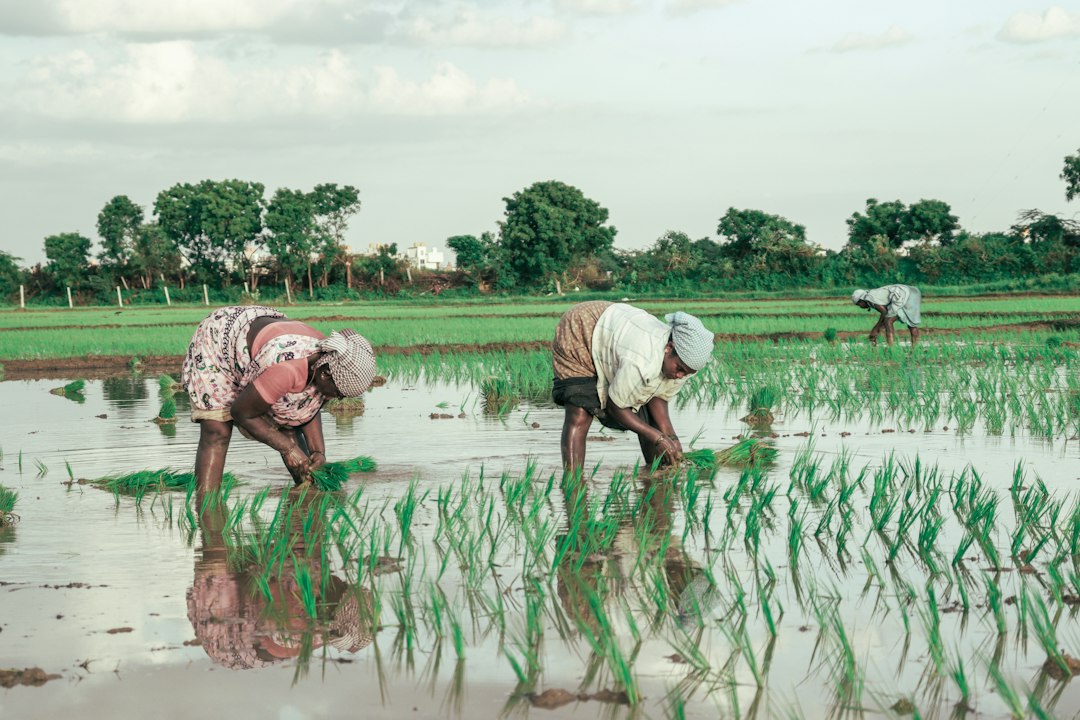
Rice is Kenya’s third most important cereal staple after maize and wheat, and domestic demand has consistently outstripped local production, leaving the country reliant on imports to close the gap. That shortfall is why government policy has turned toward building local milling and processing capacity closer to the paddy-growing schemes at Mwea, Bunyala, Ahero and West Kano, rather than exporting raw paddy or importing finished milled rice. For an investor, that opportunity sits within a framework spanning crop-sector registration under the Crops Act, plant certification by the Agriculture and Food Authority (AFA), quality specifications set by the Kenya Bureau of Standards (KEBS), and trade-policy measures that shift with each season’s harvest. This guide sets out what a prospective rice miller or processor needs to know before committing capital to a milling line.
Licensing Rice Millers and Processors Under the Crops Act
The starting point is the Crops Act, 2013, which established AFA as the umbrella regulator for Kenya’s crop sub-sector and empowers the Cabinet Secretary to make regulations on registration and licensing of persons dealing in scheduled crops. Rice (Oryza sativa L.) is listed as a food crop under Part A (Cereals) of the First Schedule to the Crops (Food Crops) Regulations, 2019, the subsidiary legislation giving the Act its operational teeth. Under these regulations, a person intending to establish a food processing plant, including a rice mill, must first obtain a certificate of approval from AFA before construction, and regulation 25 makes it an offence to operate a food processing plant without a valid certificate of compliance once built and inspected. Applications are made to AFA as “the Authority”, and “processor” is defined widely enough to capture a community mill or an industrial rice processing complex.
The same regulations reach beyond the mill gate. Anyone storing rice or paddy in bulk generally needs a warehousing licence, and anyone buying, marketing, importing or exporting food crops as a business is expected to register with AFA as a dealer, marketing agent, importer or exporter as appropriate. A vertically integrated processor that buys paddy, stores it, mills it, and sells or exports the finished product may need more than one category of AFA registration at once. Fees and documentary requirements sit in schedules AFA updates periodically, so an investor should confirm the current schedule directly with AFA rather than relying on older published figures.
The Agriculture and Food Authority’s Regulatory Role
AFA does not maintain a stand-alone Rice Directorate in the way it maintains dedicated Tea, Coffee and Sugar Directorates. Rice instead sits within AFA’s Food Crops Directorate, which regulates cereals generally, including maize, wheat, rice, sorghum and millet, and administers the registration and certification functions described above. An investor should expect to deal with the Food Crops Directorate for processing plant certificates, warehousing licences and dealer registration, applied for through AFA’s Integrated Management Information System (IMIS) online portal.
Beyond certification, AFA’s broader statutory functions include collecting crop production data, advising national and county governments on crop policy, and coordinating value-chain development. AFA has issued public statements on rice importation addressing the balance between protecting local millers and farmers and ensuring national supply, and it participates in the national push toward the self-sufficiency and “rice sector development hub” goals of Kenya’s National Rice Development Strategy. A processor should treat AFA as the central regulatory contact for the rice value chain, from paddy production to milled product leaving the factory gate.
KEBS Standards for Milled Rice
Once paddy has been milled, the finished product must meet the applicable KEBS specification before it can lawfully reach the market. The relevant East African harmonised standard is KS EAS 128, Milled rice – Specification, most recently revised as KS EAS 128:2023, setting out requirements and test methods for milled rice intended for human consumption. Its general approach, as reflected in the 2011 predecessor text, is to classify milled rice into quality grades based on tolerable limits for defects such as moisture content, broken grains and foreign matter, with tighter tolerances at higher grades, alongside food-grade packaging and labelling covering product name, variety, grade, manufacturer, batch number, net weight, crop year and packing date. Because KEBS revised the standard in 2023, an investor should confirm current numeric thresholds against the gazetted edition rather than assume the earlier figures still apply.
Locally milled rice within scope of a compulsory Kenya Standard generally requires KEBS Standardisation Mark (S-Mark) certification before sale, involving a factory audit, product testing and ongoing surveillance. A processor should build S-Mark lead time into its launch timeline alongside AFA’s processing plant certificate, since neither approval substitutes for the other.
Import Duty Relief and Investment Incentives
Kenya’s trade-policy treatment of rice tends to move in the opposite direction from a conventional import-substitution tariff wall, because domestic milling capacity has not yet closed the supply gap left by local paddy production. Kenya has periodically obtained approval from the East African Community Council of Ministers for a stay of application of the EAC Common External Tariff on rice imports, allowing millers and importers to bring product in at a reduced duty rate, most recently reported as continuing into 2025. That is short-term supply-side relief for the milling trade rather than a structural incentive for new domestic capacity, and its terms are set periodically by the EAC Council rather than fixed in Kenyan legislation, so an investor should confirm the applicable rate with the Kenya Revenue Authority or the EAC Gazette before pricing an import-dependent model.
For investors building new processing capacity, the more relevant framework is Kenya’s general manufacturing and investment regime rather than anything rice-specific: operating within a Special Economic Zone or Export Processing Zone can offer preferential tax treatment and duty relief on imported plant, machinery and inputs, alongside general facilitation through the Kenya Investment Authority. Because applicable rates and conditions change with each Finance Act, this guide describes them only in general terms, and an investor should obtain current, project-specific tax advice before relying on any rate. Government and development-partner support for rice under the National Rice Development Strategy has tended to focus on production-side interventions, such as irrigation and seed multiplication in schemes like Mwea, rather than direct subsidies to millers, so a processor’s business case should rest on a reliable paddy supply chain rather than an assumed milling subsidy.
How We Can Help
Bringing a rice milling or processing plant from concept to commissioning in Kenya means coordinating AFA registration and certification, KEBS product certification, county approvals, and, where relevant, investment-incentive structuring, often while negotiating outgrower or paddy-supply arrangements with farmers or cooperatives. Clay & Associates Advocates advises investors and processors across the agro-processing sector on structuring these projects correctly from the outset, including entity formation, securing AFA and KEBS approvals, drafting paddy supply and outgrower agreements, and reviewing the tax and trade-policy position applicable to a specific project. Our Regulatory & Compliance practice works alongside our corporate team to help rice processors get their licensing and structure right before capital is committed, rather than retrofitting compliance after a plant is built.
Sources: Crops Act, 2013 (Kenya Law), Crops (Food Crops) Regulations, 2019, Legal Notice No. 217 (Kenya Law), Agriculture and Food Authority, AFA, Press Statement on Rice Importation, KS EAS 128:2023, Milled Rice – Specification (KEBS Webstore), EAS 128:2011, Milled Rice – Specification (public text mirror), Business Daily, Tax relief for importers of wheat and rice in EAC deal.
Frequently asked questions
Does AFA have a dedicated Rice Directorate that issues rice milling licences?
No. Unlike tea, coffee or sugar, rice has no stand-alone AFA directorate. It is regulated as a scheduled cereal food crop through AFA’s Food Crops Directorate, which handles processing plant certification, warehousing licensing and dealer or trader registration for rice alongside other food crops under the Crops (Food Crops) Regulations, 2019.
What is the difference between the certificate of approval and the certificate of compliance for a rice mill?
The certificate of approval is obtained before a food processing plant is built, based on the proposed design and plans. The certificate of compliance is issued after construction, once AFA has inspected the completed facility and confirmed it meets the applicable requirements, and it is this second certificate a processor must hold before lawfully operating the plant.
Can I sell milled rice in Kenya without KEBS certification?
Generally no. Milled rice sold in Kenya falls within the scope of the harmonised East African Standard KS EAS 128, currently in its 2023 edition, and a processor is expected to certify its product and factory processes against that standard, typically through KEBS’s Standardisation Mark scheme, before placing milled rice on the market. AFA and KEBS approvals are separate and neither substitutes for the other.
Are there special tax breaks for setting up a rice mill in Kenya?
There is no rice-specific tax incentive under Kenya law; any relief generally comes from the broader manufacturing and investment framework, such as Special Economic Zone or Export Processing Zone status, which changes periodically through the Finance Act. Kenya has at times obtained temporary EAC duty relief on rice imports to address supply shortfalls, but that measure benefits importers of rice rather than investors building new domestic milling capacity, and its terms are set periodically by the EAC Council of Ministers rather than fixed in Kenyan law.