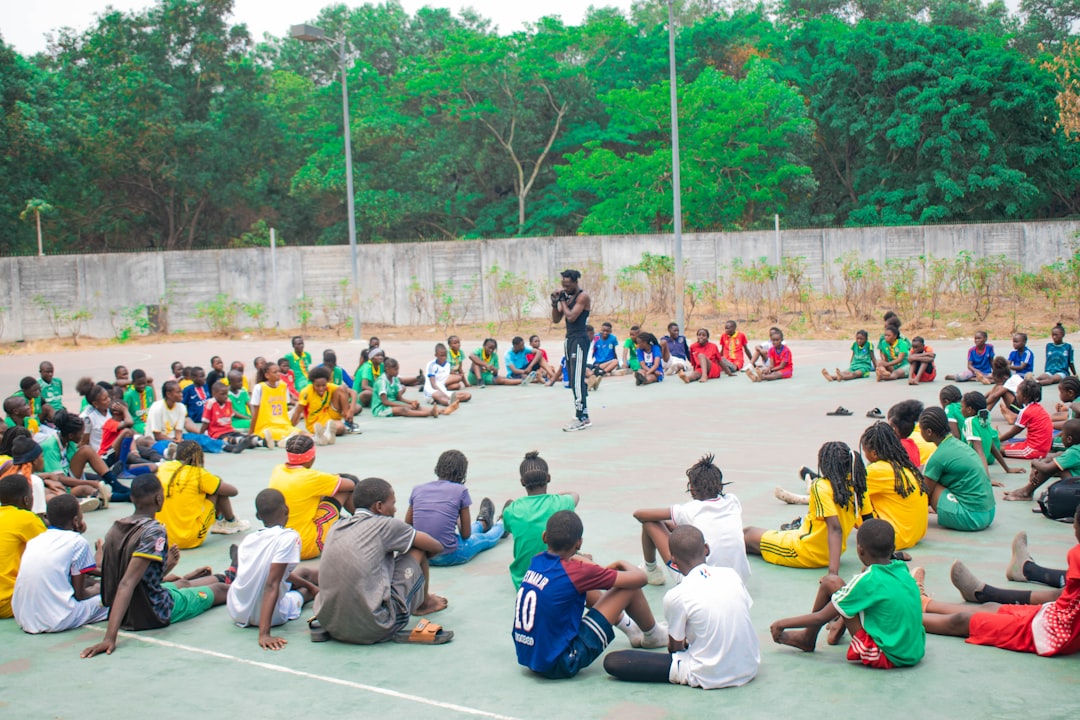
Football, swimming, athletics and rugby academies across Kenya train thousands of children every week, often boarding them, transporting them to competitions, and putting them under the direct supervision of coaches and administrators for hours at a time. That relationship carries legal obligations, not just good practice recommendations. The Children Act, No. 29 of 2022 sets out a framework of rights, protections and institutional duties that applies wherever children are in someone else’s care, including academies, clubs and federations running youth sport. This article sets out what that framework actually requires, and where the Employment Act, 2007 adds further restrictions once a young athlete’s involvement starts to look like work.
The Legal Foundation: A Child’s Right to Play, and to Protection
Section 14 of the Children Act gives every child an entitlement to leisure, play and participation in non-harmful cultural and artistic activities, and requires county governments to designate public play and recreational facilities. Running a youth sport programme is therefore not merely tolerated by the law; it engages a right the Act affirmatively protects. That right sits alongside, not instead of, a duty of protection. Section 22 of the Act prohibits subjecting a child to psychological or physical abuse, with penalties on conviction of up to five years’ imprisonment or a fine of up to two million shillings, or both. Anyone with day-to-day control over children, whether a club, an academy or an individual coach, operates inside both halves of this framework: an obligation to facilitate the child’s participation and an obligation not to cause, or allow, harm in the course of it.
Who Watches the Watchers: The Children Advisory Committee Structure
The Act does not leave child protection to individual institutions’ goodwill alone. Section 54 establishes County Children Advisory Committees, and section 55 establishes Sub-County Children Advisory Committees, bringing together children’s officers, county administration, education, health, probation and police representatives, alongside civil society, to coordinate child protection matters and share information within their area. Section 38 gives the Secretary responsible for children’s affairs power to intervene and secure the removal of a child in need of care and protection to a place of safety. For an academy or club, the practical significance is that a credible external escalation route exists, and should be used, whenever a coach, parent or child raises a concern that cannot or should not be resolved internally: the local children’s officer, the relevant Advisory Committee, or the police, rather than the matter being handled quietly inside the organisation.
Registration: Is Your Academy a Regulated Institution?
A recurring question for residential or boarding sport academies is whether they fall within the Act’s institutional oversight regime. The Act defines and regulates Charitable Children’s Institutions, subject to notification, monitoring and inspection duties under sections 71 to 73, and separately excludes certain categories, such as schools registered under the Basic Education Act, from that specific definition. A sports academy that houses or has substantial custodial responsibility for children, and is not itself a registered school, should not assume it falls outside the Act’s institutional framework by default; that is a fact-specific question that depends on how the academy is structured and what degree of custody it exercises, and it is worth resolving deliberately rather than by assumption. Where an academy does fall within scope, sections 71 to 73 give the responsible Secretary powers of monitoring and inspection to check on the wellbeing of children in the institution’s care.
When Youth Sport Becomes Child Labour
Section 18 of the Children Act prohibits subjecting a child to child labour, domestic servitude, economic exploitation, or any work or employment that is hazardous, interferes with the child’s education, or is likely to harm the child’s health or physical, mental, moral or social development. This matters directly for academies that pay young athletes, that require training hours long enough to displace schooling, or that involve strenuous physical demands beyond what is appropriate for the child’s age. The Employment Act, 2007 supplies further, more granular limits for children whose involvement shades into employment: section 56 sets the general minimum working age at thirteen years and permits only light work, not likely to harm a child’s health or development and not interfering with schooling, for children between thirteen and sixteen; section 58 prohibits employing a child of that age group to attend to machinery or in mining operations; and section 59 restricts employing a child in an industrial undertaking between 6.30 p.m. and 6.30 a.m. An academy that pays stipends, prize money or allowances to young athletes, or that structures training as an employment-like arrangement, should assess its practices against both Acts rather than treat sport as automatically outside employment law’s reach.
Consent and Parental Involvement
The Children Act places specific decisions in parents’ and guardians’ hands. Section 31 recognises a parent’s duty and responsibility to facilitate or restrict a child’s movement within or from Kenya, which is directly relevant to academies and federations organising travel for training camps or competitions, domestically or abroad. Section 28 requires that a child’s participation rights be exercised voluntarily, without undue influence, coercion, inducement or enticement, which bears on how academies recruit and retain young athletes, particularly where a family’s economic circumstances create pressure to keep a child in a demanding programme against the child’s own wishes. Clear, written parental consent for enrolment, travel and medical treatment, obtained without pressure and revisited as a child’s circumstances change, is the practical way an academy demonstrates it is meeting these obligations rather than merely asserting it.
How We Can Help
Clay & Associates Advocates advises academies, clubs and federations on child safeguarding compliance under the Children Act, 2022, including institutional registration questions, safeguarding policies, consent documentation and the interaction with the Employment Act, 2007 for young athletes who are paid or work intensively. Our guide to registering a sports organisation in Kenya covers the constitutional and governance groundwork a compliant academy needs, and our overview of sports governance health checks covers a broader compliance review. Contact our Sports practice to review your academy’s safeguarding position.
Sources: Children Act, No. 29 of 2022, sections 14, 18, 22, 28, 31, 38, 54, 55 and 71 to 73; Employment Act, 2007, sections 56, 58 and 59.
Frequently asked questions
Does the Children Act apply to sports academies and clubs, not just orphanages or care homes?
Yes. The Act’s child protection provisions, including the prohibition on child abuse in section 22 and the child’s right to leisure and play in section 14, apply generally wherever a child is affected, not only in residential care settings. Whether a specific academy also falls within the institutional registration regime for Charitable Children’s Institutions depends on how it is structured and the degree of custody it exercises over children.
Can an academy pay a talented young athlete a stipend or allowance?
This needs to be assessed against both the Children Act’s prohibition on child labour and economic exploitation and the Employment Act’s minimum age and light work rules, which set the general minimum working age at thirteen and restrict what work children between thirteen and sixteen may do. Arrangements should be structured and documented carefully rather than assumed to be exempt because the activity is sport.
What should an academy do if a coach or parent raises a child protection concern?
Concerns should be escalated through the external child protection structure the Act creates, including the local children’s officer and the County or Sub-County Children Advisory Committee established under sections 54 and 55, or the police, rather than being resolved solely inside the organisation. A written safeguarding policy setting out this escalation path in advance makes it far easier to act quickly when a concern arises.
Do parents need to consent separately to travel for competitions abroad?
Parental responsibility for a child’s movement within or from Kenya is recognised under section 31 of the Children Act, so academies and federations organising international travel for young athletes should obtain clear, written parental consent for that specific travel, alongside any immigration or Sports Act eligibility requirements that apply.