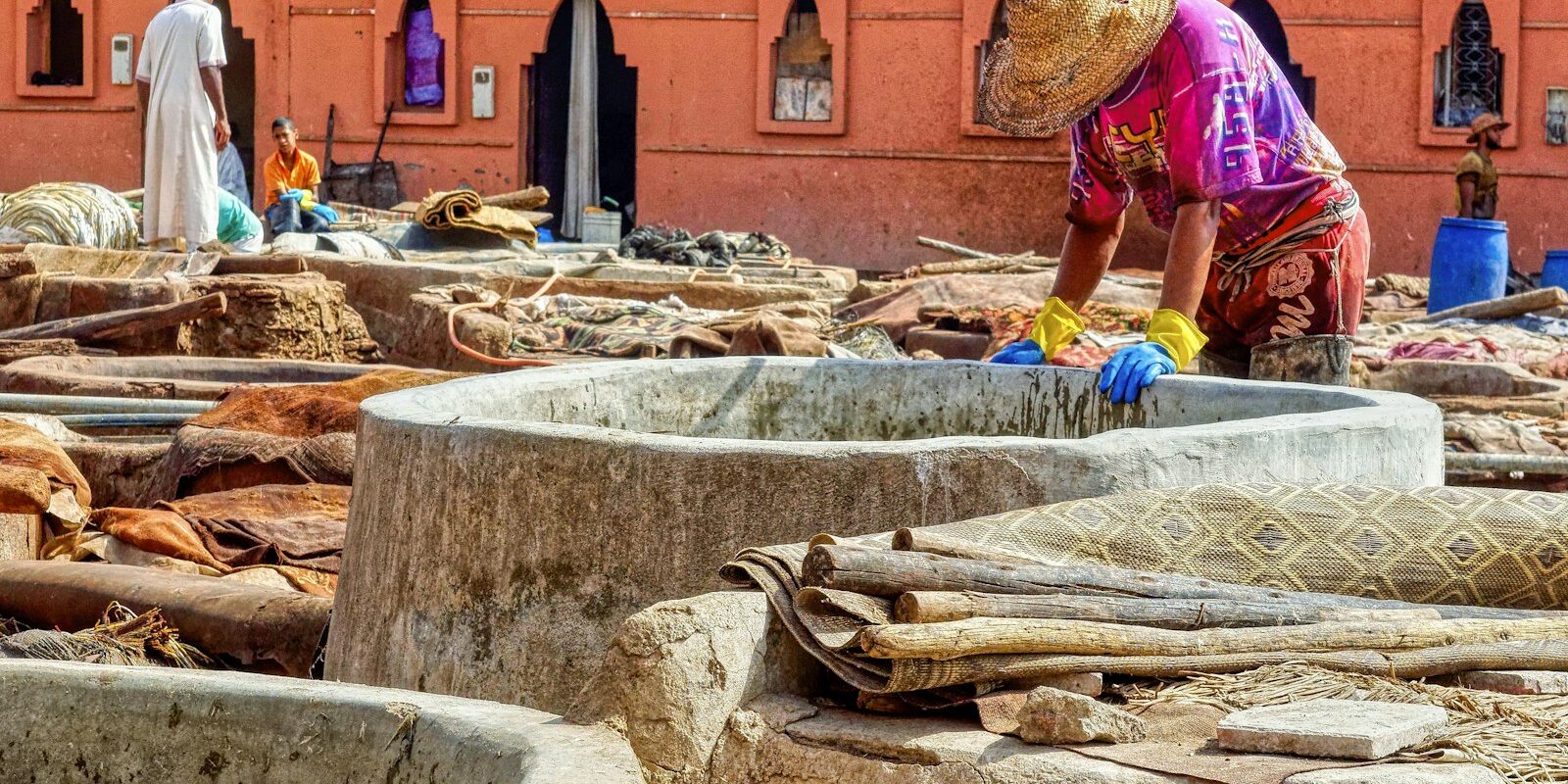
Kenya’s leather sector sits on one of the largest livestock herds in Africa, yet for decades most of that raw material left the country as untreated hides and skins rather than as finished shoes, bags or garments. Government policy over the past decade has been deliberately engineered to reverse that pattern: a steep export levy discourages raw exports, a dedicated state agency regulates the subsector, environmental regulators police the heavy chemical load that tanning produces, and fiscal incentives are aimed squarely at investors who process leather inside Kenya rather than ship it out raw. Anyone setting up a tannery, a leather goods factory or a footwear plant in Kenya needs to understand all four of these moving parts before breaking ground. This guide sets out the legal and regulatory framework, from company registration and licensing with the Kenya Leather Development Council, through the export levy on raw and semi-processed hides and skins, to NEMA’s effluent discharge regime, KEBS quality requirements and the tax incentives available inside a Special Economic Zone or Export Processing Zone.
Registering the business and licensing with the Kenya Leather Development Council
As with any manufacturing venture, the starting point is incorporating a company under the Companies Act, 2015, obtaining a Kenya Revenue Authority PIN, registering for VAT if turnover thresholds require it, and taking out the relevant county single business permit for the premises where tanning or manufacturing will take place. What is specific to leather is the role of the Kenya Leather Development Council (KLDC), established as a state corporation by the Kenya Leather Development Council Order, 2011 (Legal Notice No. 114 of 2011), made under the State Corporations Act.
The Order gives the Council a mandate that goes beyond advisory work. It is tasked with promoting and coordinating activities across the whole leather value chain, from hides and skins collection through tanning to finished goods; providing advisory and extension services to producers and processors; conducting and commissioning research; collecting and disseminating market data; and, importantly, overseeing licensing within the subsector. The Council’s Board also has power, subject to Cabinet Secretary approval, to regulate the production and marketing of hides, skins, leather and leather goods, to impose quantity and quality restrictions where necessary, to investigate processing and marketing practices, and to initiate and enforce compliance with local and international standards. A new tannery or leather manufacturer should expect to engage with KLDC early, both because it is the sector regulator and because it administers flagship infrastructure such as the Kenanie Leather Industrial Park in Athi River, Machakos County, a purpose-built cluster with shared effluent treatment and warehousing intended to lower entry costs for tanners and leather goods manufacturers.
The export levy on raw and semi-processed hides and skins
The single policy tool that has shaped Kenya’s leather industry more than any other is the export levy imposed under the Miscellaneous Fees and Levies Act, No. 29 of 2016. Section 5 of the Act imposes an export levy on goods listed in the First Schedule, charged at the higher of an ad valorem percentage of customs value or a specific rate per kilogram, and payable by the exporter when the goods are entered for export. The First Schedule sets the rate for raw hides and skins under tariff headings 4101 to 4103, and for tanned or crust hides and skins, including wet blue leather, under heading 4104, at 80 percent of value or a specific rate per kilogram, whichever is higher. That specific rate was set at USD 0.52 per kilogram and was adjusted upward to USD 0.55 per kilogram with effect from 1 October 2022, under the Commissioner-General’s inflation-adjustment power in the Act. A materially higher rate, 80 percent or USD 0.55 per kilogram, applies to raw furskins under headings 4301 and 4302.
Two points are worth flagging for anyone planning a business around wet blue or crust leather rather than fully finished leather. First, the levy rate is applied equally across raw hides and skins and semi-processed (wet blue and crust) leather; the schedule does not currently give semi-processed exports a materially lower rate than raw exports, so exporting at the wet blue stage does not itself avoid the levy, though it does capture more value before the levy bites on a per-unit basis. Second, the Commissioner-General’s power to adjust the specific rate for inflation was tightened by the Finance Act, 2023, which introduced a requirement for Cabinet Secretary and National Assembly involvement before such adjustments take effect, so the USD 0.55 per kilogram figure should not be assumed to move automatically each year. Businesses should check the current First Schedule and any subsequent Finance Act or gazette notice before pricing an export consignment, since getting the levy calculation wrong at the point of customs entry can hold up shipment. The clear policy signal, however, is unchanged: the levy structure is designed to make it substantially cheaper to export finished leather goods, shoes and garments than raw or semi-processed material, and a business model built around local tanning and manufacture, rather than raw export, avoids the levy altogether on the finished product.
NEMA environmental licensing for tannery effluent
Tanning is one of the most heavily regulated manufacturing processes in Kenya from an environmental standpoint, because chrome tanning and related processes generate effluent loaded with chromium, sulphides, high biochemical oxygen demand and suspended solids. Under the Environmental Management and Co-ordination Act (EMCA), a tannery or leather processing plant is expected to obtain an Environmental Impact Assessment licence from the National Environment Management Authority (NEMA) before construction, under the EIA licensing procedure set out in section 58 of the Act, given the scale and nature of chemical use involved.
Once operational, discharge of any effluent into the aquatic environment, whether to a river, the sea or a sewer, requires a separate effluent discharge licence under the Environmental Management and Co-ordination (Water Quality) Regulations. Regulation 6 of those Regulations prohibits discharging effluent from an industry or other point source without a valid licence. The application is made on the prescribed form together with a fee of KShs 5,000 for a discharging facility, NEMA must communicate its decision within thirty working days of a duly completed application, and where approved must issue the licence within twenty-one days. The Regulations set specific discharge parameters relevant to tanneries, including biochemical oxygen demand, total suspended solids, pH and total and hexavalent chromium, with maximum allowable limits for parameters such as biochemical oxygen demand and total suspended solids set at 30 milligrams per litre. Licence holders must monitor discharge quality and quantity and submit results to NEMA at prescribed intervals, and a licence is not transferable to another operator or site. Discharging without a licence, or breaching its conditions, is a criminal offence under the Regulations, carrying imprisonment for up to two years, a fine of up to one million shillings, or both, in addition to any restoration or cleanup order a court may impose. Given this exposure, most new tanneries now plan for pre-treatment of effluent on site, and locating within an industrial park with shared effluent treatment infrastructure, such as Kenanie, is one way investors reduce both capital cost and compliance risk.
KEBS standards and quality verification
The Kenya Bureau of Standards (KEBS) is the statutory standards body responsible for developing Kenya Standards, certifying compliant products and inspecting goods entering and leaving the country. For a leather manufacturer, KEBS involvement arises at several points. Domestically, finished leather goods and footwear sold on the Kenyan market can be certified against the relevant Kenya Standard and carry the Standardisation Mark (S-Mark) or, for higher voluntary quality assurance, the Diamond Mark. Imported inputs, including chemicals, machinery and any leather or leather components brought in from abroad, are subject to KEBS import inspection, and consignments that do not meet the relevant Kenya Standard can be refused entry or ordered returned to the country of origin at the importer’s cost. On the export side, KEBS operates a Pre-Export Verification of Conformity (PVoC) programme that verifies finished goods meet destination-market or Kenya Standard requirements before they leave the country, which is relevant to a manufacturer exporting finished leather goods or footwear rather than raw material. Building KEBS certification and PVoC compliance into product development from the outset avoids costly rework or shipment delays later, particularly for a business targeting both the local market and export destinations with their own conformity requirements.
EPZ and SEZ incentives for leather manufacturers
Leather is treated as a priority value chain for industrial development in Kenya, and the government has channelled that priority into the two main special-status regimes available to manufacturers: Export Processing Zones (EPZs) under the Export Processing Zones Act, and Special Economic Zones (SEZs) under the Special Economic Zones Act, 2015. Both regimes give a licensed enterprise a single operating licence covering its activities, exemption from import duty and VAT on inputs and machinery, and preferential tax treatment. An EPZ enterprise is exempt from corporation tax for its first ten years of operation and pays a reduced rate of 25 percent for the following ten years, according to the Kenya Revenue Authority, alongside a ten-year withholding tax holiday on payments to non-residents. An SEZ enterprise is taxed at a preferential corporate rate for its first ten years, stepping up for a further ten years before reverting to the standard rate, with corresponding exemptions on customs duty, VAT and withholding tax on qualifying transactions. The Kenanie Leather Industrial Park at Athi River is the flagship site built around this policy, offering tanneries and leather goods manufacturers ready warehousing, shared effluent treatment and other infrastructure so that investors do not need to fund a standalone treatment plant themselves. Because SEZ and EPZ status, and the accompanying tax treatment, depend on the specific enterprise licence and gazetted zone, an investor should confirm the current terms with the Special Economic Zones Authority or the Export Processing Zones Authority, and with the Kenya Revenue Authority on the applicable tax schedule, before finalising an investment structure.
How We Can Help
Clay & Associates Advocates advises investors and manufacturers on the full legal lifecycle of setting up a tannery or leather goods business in Kenya, from company incorporation and KLDC licensing, through structuring an EPZ or SEZ investment and negotiating industrial park tenancy, to NEMA environmental licensing and ongoing compliance with effluent discharge conditions. We also advise on the practical impact of the export levy on supply and offtake contracts for hides, skins and semi-processed leather. Contact our Regulatory Compliance team to discuss licensing and environmental approvals, or our Corporate & Commercial team to structure the investment itself.
Sources: Kenya Leather Development Council Order, 2011 (Legal Notice No. 114 of 2011), Kenya Law; Kenya Leather Development Council; Miscellaneous Fees and Levies Act, No. 29 of 2016, sections 3 and 5 and First Schedule, text via InvestKenya e-Procedures Portal; Kenya Revenue Authority Legal Notice on inflation adjustment of specific rates, October 2022; Environmental Management and Co-ordination Act, section 58, Kenya Law; Environmental Management and Co-ordination (Water Quality) Regulations, National Environment Management Authority; Kenya Bureau of Standards, Import Inspection; Kenya Revenue Authority, Corporation Tax FAQs; InvestKenya, Incentives; InvestKenya, Leather Sector Investment Pack.
Frequently asked questions
Do I need approval from the Kenya Leather Development Council to open a tannery?
Yes. The Council regulates the leather subsector under the Kenya Leather Development Council Order, 2011, and any business processing hides, skins or leather should engage with it on licensing and compliance with sector standards in addition to the environmental and county approvals described above.
Can I avoid the export levy by exporting wet blue leather instead of raw hides?
Not entirely. Under the current First Schedule to the Miscellaneous Fees and Levies Act, tanned or crust hides and skins, including wet blue leather, attract the same 80 percent or USD 0.55 per kilogram levy as raw hides and skins. The levy structure rewards taking processing further, to finished leather goods and footwear, which fall outside this schedule, rather than stopping at the wet blue stage.
What environmental licence does a tannery need before it can discharge waste water?
A tannery needs an effluent discharge licence from NEMA under the Environmental Management and Co-ordination (Water Quality) Regulations before discharging any effluent, in addition to the Environmental Impact Assessment licence typically required before construction begins. Discharging without a valid licence is a criminal offence.
Are there tax incentives for building a tannery inside an industrial park such as Kenanie?
Locating within a gazetted Special Economic Zone or Export Processing Zone can qualify a leather manufacturer for preferential corporate tax rates, and exemption from import duty and VAT on machinery and raw materials, in addition to shared infrastructure such as effluent treatment. The precise incentives depend on the enterprise’s licence and should be confirmed with the relevant zone authority and the Kenya Revenue Authority.