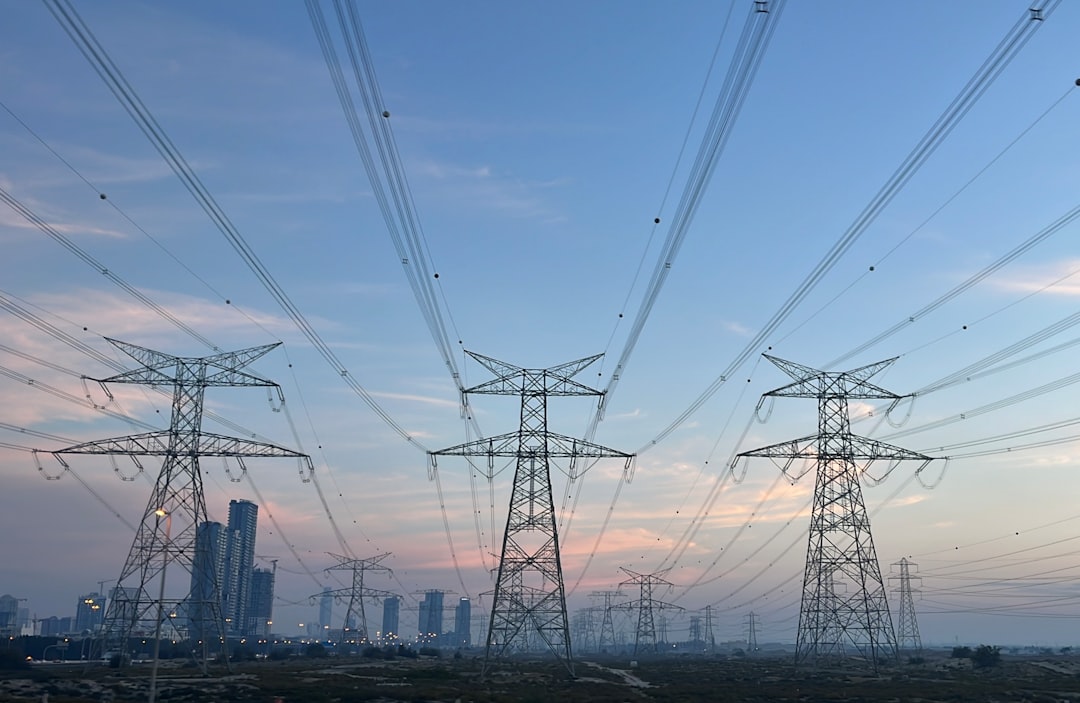
Transmission lines, distribution poles and petroleum pipelines cross thousands of private parcels across Kenya, and most landowners only think about them when a dispute arises: infrastructure built without proper consent, an unpaid wayleave fee, or a corridor that turns out to restrict development on land the owner is now trying to sell. Way-leave and easement disputes with Kenya Power and Kenya Pipeline Company sit at the intersection of energy law and land law, and the governing framework has shifted significantly with the Energy Act, 2019. This article sets out how that framework works and where disputes typically arise.
What a Way-Leave Is, and How It Differs from an Ordinary Easement
A way-leave is the right to install, maintain and access infrastructure, such as a power line, pole or pipeline, over, under or through land belonging to someone else, typically granted to a utility or public body rather than to a neighbouring landowner. This is different from a private law easement of the kind discussed in our companion guide on easements and rights of way in Kenya, which usually involves a dominant and servient tenement between two ordinary landowners. A way-leave instead arises from statutory powers given to a utility or the state, and the compensation and dispute mechanisms are correspondingly different.
The Statutory Framework: Energy Act 2019, Part VII
The core modern framework sits in Part VII of the Energy Act, 2019 (No. 1 of 2019), headed “Rights of Way, Wayleaves and Use of Land for Energy Resources and Infrastructure,” running from section 170 to section 179. The Act’s definition of energy infrastructure covers electric supply lines as well as petroleum or gas pipelines, geothermal works and coal infrastructure, which means the same statutory chapter governs both Kenya Power’s electricity network and Kenya Pipeline Company’s fuel pipelines.
Section 170 gives a licensee power to develop energy infrastructure on land, and section 171 allows it to enter land to survey before construction. Section 173 requires the licensee to obtain the landowner’s consent, which the owner is not expected to withhold unreasonably, while section 174 gives the owner a right to object. Section 175 requires payment of compensation, and section 176 gives the licensee a continuing power of entry to inspect or repair infrastructure once installed. Section 177 makes the licensee liable for damage its works cause, section 178 addresses installation along roads and railways, and section 179 permits compulsory acquisition where a wayleave cannot be agreed, linking back into the general compulsory acquisition machinery in the Land Act.
Older Layers of the Law: the Wayleaves Act and the Land Act
Before the Energy Act, 2019, the principal statute in this space was the Wayleaves Act (Cap 292), a short 1912-era law that is technically still in force. Section 3 allows the government to carry a sewer, drain or pipeline into, through, over or under land. Section 4 requires at least one month’s notice before work begins, and section 5 allows an owner, lessee or occupier to lodge a written objection within that month, in which case the work cannot proceed without ministerial sanction. Section 6 requires the government to make good any damage and compensate the owner for destroyed trees or crops, with disputes resolved at what the Act still describes as District Commissioner and Provincial Commissioner level, an administrative structure that predates the 2010 Constitution. In practice, modern way-leave disputes involving Kenya Power and Kenya Pipeline are far more likely to be handled under the Energy Act, 2019 framework, or in the Environment and Land Court, than through Cap 292’s original machinery.
The Land Act, 2012 provides a separate, complementary route. Sections 143 to 148 give the National Land Commission power to create public rights of way, including a specific procedure for an application for wayleave, a related procedure for a communal right of way, and a compensation provision for landowners affected by a public right of way once created. This sits alongside the Energy Act, 2019 process and can be relevant particularly where community or public land, rather than a straightforward private freehold or leasehold parcel, is involved.
Where Disputes Typically Arise
In practice, four patterns account for most way-leave and easement disputes with Kenya Power and Kenya Pipeline. First, infrastructure built without the landowner’s consent, or before compensation under section 175 of the Energy Act was agreed and paid, which can support a claim in the Environment and Land Court. Second, disagreement over the adequacy of compensation itself, whether a one-off capital payment for a permanent easement or a periodic wayleave fee reflects the real loss of development value the restriction imposes. Third, corridors never clearly marked on the ground or registered against the title, so a purchaser only discovers the restriction after buying the land, sometimes after already starting construction within it. Fourth, unauthorised structures built within an existing corridor, which section 8 of the Wayleaves Act penalises and which utilities can require to be removed.
Practical Guidance for Landowners and Developers
Before buying land, a purchaser should search the register for any recorded easement or wayleave and physically inspect the parcel for poles, pylons or pipeline markers, an exercise our guide to property due diligence in Kenya covers in more detail. Where a utility proposes new infrastructure, the landowner should insist on the survey and consent steps in sections 171 and 173 being followed and engage an independent valuer before agreeing compensation under section 175. Where infrastructure has already been built without proper consent, options include negotiating a wayleave agreement retrospectively, or pursuing a claim for compensation and, where appropriate, an order addressing the unlawful entry, in the Environment and Land Court, the forum our guide to boundary disputes in the Environment and Land Court discusses in more depth.
How We Can Help
Clay & Associates Advocates acts for landowners, developers and businesses in way-leave and easement disputes involving Kenya Power, Kenya Pipeline Company and other utilities, including negotiating compensation, reviewing wayleave agreements before land is acquired, and litigating in the Environment and Land Court where infrastructure has been installed without proper consent. Our guide to easements and rights of way in Kenya covers the related private law position between neighbouring landowners. Contact our Real Estate practice to discuss a way-leave or utility easement issue affecting your land.
Sources: Energy Act (Cap 314, No. 1 of 2019), Part VII, sections 170 to 179; Land Act, 2012 (No. 6 of 2012), sections 143 to 148; Wayleaves Act (Cap 292), sections 3 to 8.
Frequently asked questions
Does Kenya Power or Kenya Pipeline need my consent before building across my land?
Yes. Section 173 of the Energy Act, 2019 requires the licensee to obtain the landowner’s consent, which the owner should not withhold unreasonably, and section 174 allows the owner to object to the proposal. If agreement cannot be reached, section 179 allows compulsory acquisition rather than the utility proceeding without any process at all.
Am I entitled to compensation for a way-leave over my land?
Yes. Section 175 of the Energy Act, 2019 requires payment of compensation, and section 177 makes the licensee separately liable for any damage its works cause. In practice this is either a one-off capital sum for a permanent easement or an ongoing wayleave fee for a corridor.
I bought land with an unmarked power line or pipeline crossing it. Am I bound by it?
This depends heavily on whether the wayleave was properly registered against the title and what your search and due diligence revealed before purchase. It is a fact-specific question, and it is worth having the title and any registered interests reviewed before assuming either that you are bound, or that you are free to build within the corridor.
Is the old Wayleaves Act, Cap 292, still relevant?
It remains on the statute book, but its enforcement structure refers to District and Provincial Commissioners from before the 2010 Constitution. For electricity and petroleum infrastructure, the Energy Act, 2019 is now the primary framework in practice, with the Land Act, 2012 providing a further route for public rights of way over community or public land.