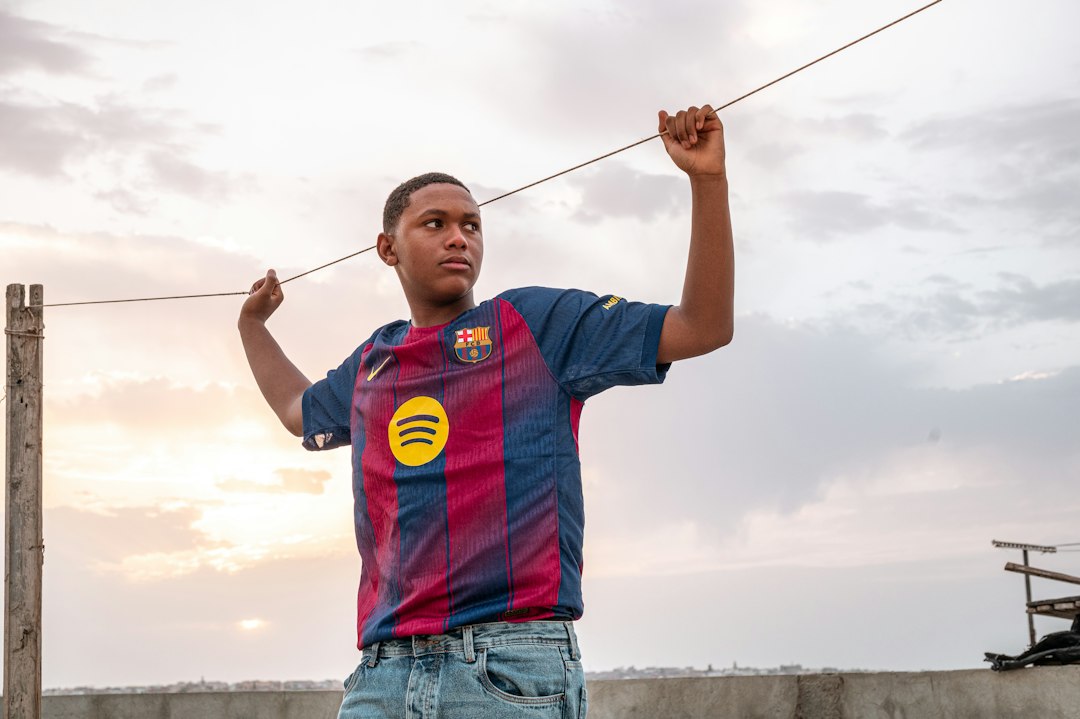
Betting and gaming companies are among the biggest sponsors of Kenyan sport. They pay for jersey space, perimeter boards, stadium naming rights, tournament title sponsorships and player appearances. That money is welcome, but it now comes attached to a stricter and recently overhauled advertising regime. A club, league or event organiser that takes betting sponsorship is not a bystander to that regulation; the way the sponsorship is branded, displayed and promoted has to fit within rules aimed squarely at the sponsor, and increasingly at anyone helping to put that sponsor’s name in front of the public.
From the Betting, Lotteries and Gaming Act to the Gambling Control Act, 2025
For decades, betting, lotteries and gaming in Kenya were governed by the Betting, Lotteries and Gaming Act, Cap 131, administered by the Betting Control and Licensing Board (BCLB). Cap 131 contained its own advertising restriction, a prohibition against advertising betting without the Board’s approval, together with parallel provisions covering lotteries and gaming. That framework has now been superseded. The Gambling Control Act, 2025 (No. 14 of 2025) commenced on 26 August 2025 and replaces the Betting, Lotteries and Gaming Act framework with a single statute covering betting, gaming, lotteries and prize competitions. It establishes the Gambling Regulatory Authority (GRA) as the new national regulator in place of the BCLB, with the handover completed by the end of February 2026. In mid-2026 the GRA gazetted a suite of subsidiary regulations under the new Act, including dedicated licensing regulations, conduct-of-operations regulations and advertising regulations. Anyone advising a club or event on a betting sponsorship today needs to be working from this new regime, not the old Cap 131 rules many sponsorship contracts were originally drafted against.
What the current advertising and sponsorship rules require
The Gambling Control Act, 2025 and its 2026 regulations set out a materially tighter advertising framework than the old Board-approval requirement under Cap 131. The core features relevant to sport are: prior GRA approval before any gambling advertisement or promotion is published or broadcast through any channel; a restriction on using celebrities, athletes, influencers and other prominent personalities to endorse or promote gambling; a ban on broadcasting gambling advertisements on television or radio between 6.00 a.m. and 10.00 p.m., with an exception for live sporting events; limits on print advertising, generally confined to sports sections and capped in frequency; a prohibition on advertising near learning institutions; and mandatory responsible-gambling messaging, licence details and age-restriction warnings occupying a set share of every advertisement. The regulator has already shown it will enforce this actively, having ordered a nationwide 30-day suspension of gambling advertising in 2025 while the new rules were finalised.
How this affects sponsorship of a club, stadium or event
A sponsorship agreement is a commercial contract, not itself an “advertisement,” but in practice a jersey crest, a stadium perimeter board, a stand naming rights deal or a tournament title all function as advertising the moment they carry the sponsor’s brand in a public sporting context. Regulators treat them accordingly. Two consequences follow for a club or organiser. First, branding and promotional material supplied by a betting sponsor for display at a venue or on kit should be treated as gambling advertising requiring GRA clearance before it goes up, not just a design file to be printed and installed. Second, and more sensitive, the restriction on using athletes, celebrities and influencers to endorse or promote gambling means a sponsorship structure that goes beyond passive brand placement, for example a player personally promoting the sponsor’s betting app on social media, a club captain appearing in sponsor advertising, or a “player of the match” promotion run through the betting brand, is at real risk of crossing the line even where the underlying jersey or stadium sponsorship itself is unobjectionable. Clubs should keep a clear line between “the sponsor’s name is on our kit” and “our players are promoting the sponsor’s product.”
Due diligence and contract terms clubs and organisers should insist on
Because enforcement action under the Gambling Control Act, 2025 attaches to the operator’s licence, not to the club, a club whose sponsor loses its GRA licence, or is caught up in an advertising suspension, risks losing the sponsorship income abruptly and being associated with an operator that is no longer authorised to trade. Before signing, a club or organiser should verify that the proposed sponsor currently holds a valid GRA licence, since licensing has itself been re-issued afresh under the transition to the new regime. The sponsorship agreement itself should include a warranty that the sponsor holds, and will maintain, a valid GRA licence and that any advertising or branding material it supplies is GRA-approved and, where required, classified by the Kenya Film Classification Board before use; a right for the club to require removal or amendment of non-compliant material; and a termination or suspension right if the sponsor’s licence lapses, is suspended, or its advertising is suspended by the regulator. These are not boilerplate clauses left over from the Cap 131 era; they need to be drafted against the current Act and its 2026 regulations.
How We Can Help
Clay & Associates Advocates advises sports clubs, leagues, event organisers and sponsors on structuring and reviewing sponsorship agreements against Kenya’s current gambling regulatory framework, including licence due diligence on prospective sponsors and drafting compliance and termination clauses. Our guide to merchandising and sponsorship IP for sports clubs covers the intellectual property side of these deals, and our overview of sports betting and gambling law in Kenya covers operator licensing and match-fixing risk. See also our note on sports contracts in Kenya for general contracting practice. Contact our Sports practice to review a proposed betting sponsorship before you sign it.
Sources: Gambling Control Act, 2025 (No. 14 of 2025); Gambling Control (Advertising) Regulations, 2026; Betting, Lotteries and Gaming Act, Cap 131 (predecessor framework, section 25 and Part IV/V advertising provisions).
Frequently asked questions
Is it legal for a licensed betting company to sponsor a Kenyan club’s jersey?
Yes, provided the sponsor holds a current Gambling Regulatory Authority licence and any branding or promotional material connected with the sponsorship complies with the advertising rules under the Gambling Control Act, 2025 and its 2026 regulations, including GRA pre-approval where required.
Can a professional athlete personally endorse a betting brand in Kenya?
The current regime restricts the use of celebrities, athletes, influencers and other prominent personalities to endorse or promote gambling. A personal endorsement deal by an athlete is therefore high risk even where a club-level sponsorship, such as jersey branding, is otherwise compliant.
What happened to the Betting Control and Licensing Board?
It has been replaced by the Gambling Regulatory Authority under the Gambling Control Act, 2025, which commenced on 26 August 2025; the transition from BCLB to GRA was completed by the end of February 2026.
Can a betting sponsor’s advert run during a live football broadcast?
Television and radio gambling advertisements are generally restricted between 6.00 a.m. and 10.00 p.m., but the rules carve out an exception for live sporting events, which is directly relevant to broadcast sponsorship packages.