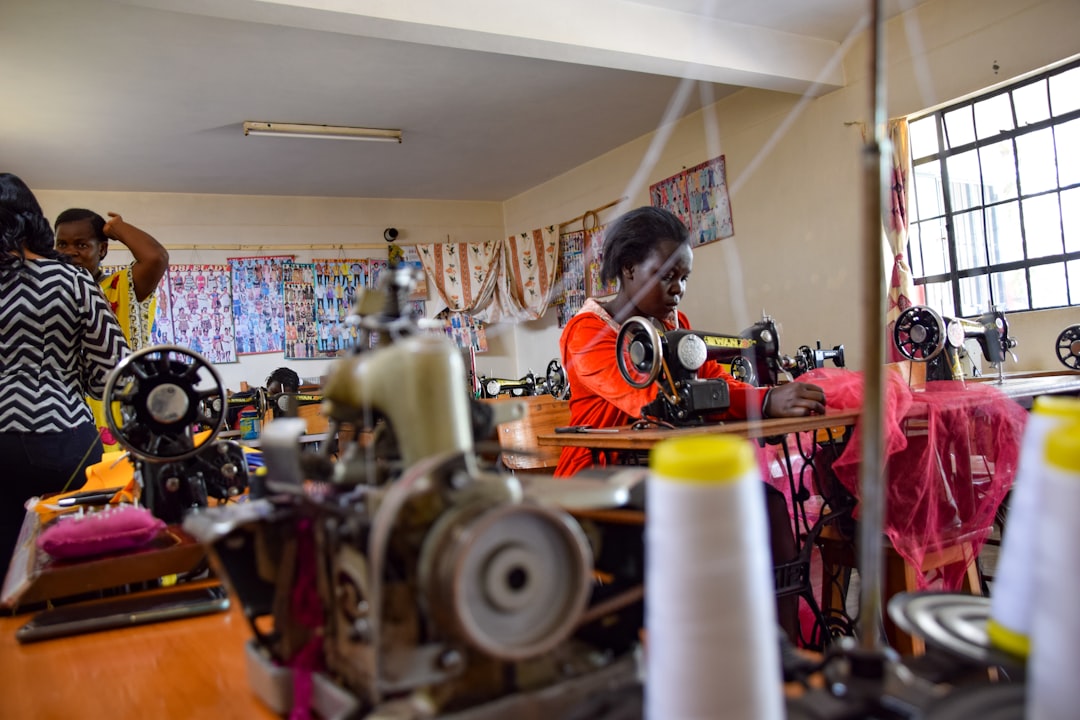
Manufacturing licences in Kenya are a critical legal requirement for every factory owner, investor, and production business operating in the country. Whether you are establishing a new plant, scaling an existing facility, or entering a regulated product category, Kenyan law imposes a layered licensing framework spanning national regulatory bodies, county governments, and sector-specific agencies. Failing to secure the correct manufacturing licences in Kenya exposes your business to regulatory shutdowns, financial penalties, and potential criminal liability for directors and managers.
This guide covers every essential licence, permit, and registration that manufacturing businesses must obtain before commencing and throughout operations in Kenya.
Why Manufacturing Licences in Kenya Are Non-Negotiable
Kenya’s manufacturing sector is governed by a comprehensive regulatory framework designed to ensure product quality, environmental protection, worker safety, and fair taxation. The regulatory architecture draws from several statutes including the Standards Act (Cap 496), the Environmental Management and Co-ordination Act No. 8 of 1999 (EMCA), the Occupational Safety and Health Act 2007, the Employment Act 2007, and the Companies Act 2015.
Operating without the correct licences is not merely a technical breach. Regulatory agencies including the Kenya Bureau of Standards, the National Environment Management Authority, and the Directorate of Occupational Safety and Health Services treat unlicensed manufacturers as presenting immediate public safety risks. Enforcement actions, including factory closures, product seizures, and prosecution of directors, have increased significantly as inter-agency coordination improves.
Kenya Bureau of Standards (KEBS): Product Certification and the Standards Act
The Kenya Bureau of Standards (KEBS), established under the Standards Act (Cap 496), is the primary national body responsible for setting and enforcing product quality standards. For manufacturers, KEBS compliance is mandatory for most regulated product categories.
The Standardization Mark
The Standardization Mark is a mandatory certification for manufacturers of goods on KEBS’s regulated products list. This list includes construction materials, electrical appliances, food products, cosmetics, and agricultural inputs, among others. Placing regulated goods on the Kenyan market without a valid Standardization Mark is an offence under the Standards Act, and KEBS has powers to seize and destroy non-compliant goods.
The Diamond Mark of Quality
The Diamond Mark is a voluntary certification awarded to manufacturers who demonstrate consistent production processes and product quality meeting Kenyan or international standards. While voluntary, the Diamond Mark is increasingly expected by major retailers, government procurement bodies, and institutional buyers, making it a commercial necessity for manufacturers targeting serious market penetration. Applications and laboratory testing are managed through the KEBS official portal.
Environmental Licences from NEMA
The National Environment Management Authority (NEMA), established under EMCA No. 8 of 1999, regulates the environmental impact of all industrial and manufacturing activities in Kenya.
Environmental Impact Assessment
Any new manufacturing facility proposing to undertake a project listed in the Second Schedule of EMCA, which covers virtually all industrial and factory activities, must conduct an Environmental Impact Assessment (EIA) before construction or commencement of operations. The EIA process requires engaging a NEMA-licensed expert proponent, preparing a detailed impact study covering the anticipated environmental effects, hosting a public participation process, and obtaining NEMA’s written approval in the form of an EIA licence.
Operating a factory without a valid EIA licence violates the requirement in section 58 of EMCA and can result in court-ordered closure and remediation costs. More information on the EIA process is available directly from the NEMA Kenya website.
Annual Environmental Audit
Beyond the initial EIA, NEMA requires manufacturers to conduct annual Environmental Audits assessing ongoing compliance with their EIA licence conditions. The audit report must be submitted to NEMA annually by a registered expert. Failure to submit annual audits is a recurring compliance risk that regulators increasingly pursue.
Factory Registration with DOSHS
The Directorate of Occupational Safety and Health Services (DOSHS), operating under the Occupational Safety and Health Act 2007 (OSHA), requires all factories to be registered before commencing operations. Under OSHA, a factory is broadly defined to include any premises where persons are employed in manual labour in connection with manufacturing processes, a definition that captures most production and assembly operations.
DOSHS registration requires submission of factory floor plans, a description of manufacturing processes and machinery, a list of all equipment and hazardous substances, and payment of prescribed registration fees based on the number of workers. DOSHS inspectors conduct annual inspections and issue Certificates of Registration, which must be renewed periodically. Non-compliance can result in prohibition notices suspending operations immediately, improvement notices with binding deadlines, and prosecution of directors.
County Government Permits
Under the devolved governance framework established by the Constitution of Kenya 2010 and the County Governments Act 2012, all businesses operating within a county must obtain a Single Business Permit (SBP) from the relevant county government. For manufacturers, the SBP typically costs between KES 5,000 and KES 100,000 per year depending on the county, the industry category, and the scale of operations.
Manufacturers located in industrial parks, Export Processing Zones (EPZs), or Special Economic Zones (SEZs) may benefit from streamlined licensing arrangements through the Kenya Export Processing Zones Authority or the Special Economic Zones Authority. These single-window frameworks consolidate multiple regulatory approvals, though they impose their own operational restrictions and reporting obligations.
Tax Registration and eTIMS Compliance
Manufacturers are required to register for a Kenya Revenue Authority (KRA) Personal Identification Number (PIN) from inception. Those with an annual turnover exceeding KES 5,000,000 must also register for Value Added Tax (VAT). Since the Kenya Revenue Authority’s 2024 mandate, all VAT-registered traders including manufacturers must issue tax invoices exclusively through the Electronic Tax Invoice Management System (eTIMS), which generates and transmits invoice data directly to KRA in real time. Non-compliance with eTIMS attracts penalties and can invalidate the input VAT claims of your customers, damaging commercial relationships.
Employment Obligations for Manufacturing Businesses
Kenya’s manufacturing sector is labour-intensive, and manufacturers must comply comprehensively with employment legislation. The Employment Act 2007 governs minimum employment terms including annual leave of not less than 21 working days, sick leave, maternity and paternity leave, and termination procedures. The National Social Security Fund Act 2013 and the Social Health Insurance Fund Act require mandatory monthly deductions and employer contributions for all employees.
Minimum wages for factory workers are set out in annual Legal Notices published by the Cabinet Secretary for Labour under the Labour Institutions Act. Manufacturers must ensure they are paying at least the applicable minimum wage for each worker category and maintain wage records available for inspection by Labour officers.
Health and safety compliance under OSHA is also an employment obligation, separate from the DOSHS factory registration. Manufacturers must appoint safety and health officers for facilities above a prescribed size, maintain first aid equipment, and implement emergency response procedures.
Intellectual Property Protections for Manufacturers
Manufacturers who develop proprietary products, production methods, or distinctive branding should register their intellectual property proactively. In Kenya, patents protecting manufacturing processes and product innovations are registered through the Kenya Industrial Property Institute (KIPI) under the Industrial Property Act 2001. Industrial designs covering product aesthetics and trademarks protecting brand identifiers are similarly registrable through KIPI. Failure to register intellectual property rights leaves manufacturers exposed to copying and counterfeiting, which is a documented challenge in Kenya’s manufacturing sector. For comprehensive guidance on protecting your manufacturing business’s intellectual property, consult our intellectual property law practice.
Sector-Specific Licences
Depending on the product category, manufacturers may need additional regulatory approvals beyond the general licences above. Pharmaceutical manufacturers require licences from the Pharmacy and Poisons Board under the Pharmacy and Poisons Act Cap 244. Food processors must comply with the Kenya Food and Drugs Authority (KEFDCA). Manufacturers of agricultural inputs including pesticides and fertilisers must be registered with the Pest Control Products Board and the Kenya Plant Health Inspectorate Service. Manufacturers and importers of electrical goods must demonstrate compliance with standards set by the Energy and Petroleum Regulatory Authority (EPRA).
Getting Manufacturing Compliance Right From the Start
The manufacturing licences Kenya law requires are not sequential, many applications must be submitted concurrently and some approvals (such as the EIA licence) must precede others (such as DOSHS registration). Engaging legal and regulatory counsel before construction or establishment begins avoids costly delays, licence rejection, and retroactive compliance problems that are significantly more expensive to resolve than upfront planning.
For comprehensive legal support across the full licensing lifecycle, from EIA and KEBS certification to employment compliance, contract structuring, and ongoing regulatory advisory, consult our manufacturing sector legal services team. Our regulatory and compliance advisory practice advises manufacturing businesses across Kenya on licence applications, regulatory submissions, and compliance frameworks from our offices at Nextgen Mall, Nairobi. Related sector requirements are covered in our guide to export licensing in Kenya.