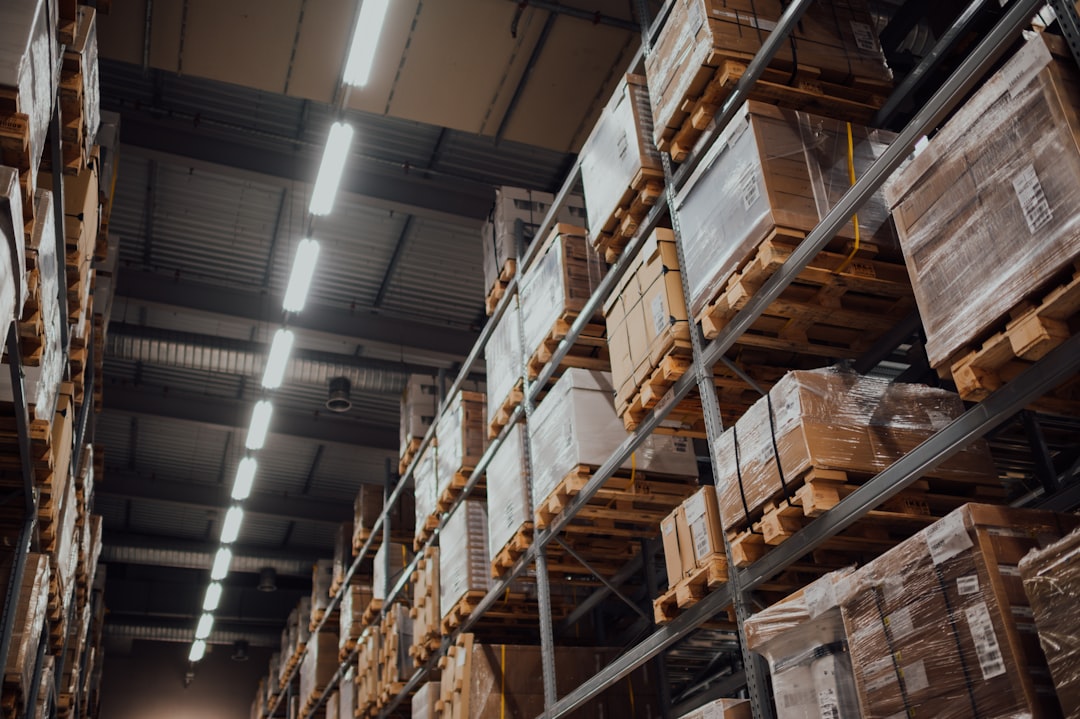
Supply chain contracts in Kenya govern the legal relationships between manufacturers and the network of suppliers, distributors, logistics providers, and buyers that make up their production and sales chain. Disruptions to supply chains, whether from supplier defaults, logistics failures, or force majeure events, can cause significant financial harm to manufacturers. Kenya’s own experience with fuel shortages, port congestion, and periodic border disruptions with neighbouring states means these risks are not theoretical for a business sourcing or distributing across the region. Well-drafted supply chain contracts in Kenya allocate these risks clearly, protect manufacturers from upstream and downstream exposures, and provide enforceable remedies when the chain breaks down. A contract that only addresses the immediate supplier relationship, without considering how liability, insurance, and dispute resolution interact across the whole chain from raw material to end consumer, tends to leave gaps that only become visible once something has already gone wrong.
Supply Chain Contracts Kenya: The Legal Framework and Key Statutes
Supply chain contracts in Kenya are primarily governed by the general law of contract under the Law of Contract Act (Cap 23), the Sale of Goods Act (Cap 31), and the common law of contract as developed by Kenyan courts. Specific contracts within the supply chain, such as contracts of carriage, warehousing agreements, and agency arrangements, are also subject to sector-specific statutes. The Consumer Protection Act 2012 creates additional obligations in the downstream supply chain where goods are sold to consumers. Where a defect anywhere in the supply chain reaches a consumer, our guide to product liability in Kenya covers how that downstream exposure is allocated between manufacturer, distributor, and retailer, which is a question every supply agreement in this chain should address contractually rather than leave to be fought over after a claim lands.
Raw Material and Component Supply Agreements
The most commercially critical contract in a manufacturing supply chain is typically the raw material or component supply agreement between the manufacturer and its key suppliers. A comprehensive supply agreement in Kenya should address: the specification of the materials or components to be supplied, including quality standards, testing requirements, and KEBS compliance where applicable; pricing and price adjustment mechanisms, including escalation provisions tied to commodity indices or exchange rate movements; minimum order quantities and delivery schedules; quality assurance obligations including the supplier’s obligation to maintain and certify quality management systems; inspection and rejection rights including the manufacturer’s right to reject non-conforming materials and claim the cost of rework or production losses; liability for supply failures including the maximum compensation payable for late or defective supply; and exclusivity provisions and capacity reservations for critical inputs.
Distribution Agreements
Manufacturers in Kenya that sell through distributors or resellers must carefully draft their distribution agreements to protect their market position, pricing discipline, and brand value. A distribution agreement should define the distributor’s territory and exclusivity arrangements (exclusive, sole, or non-exclusive distribution); minimum purchase commitments to ensure the distributor actively promotes the product; the manufacturer’s right to set recommended retail prices and the limits on the manufacturer’s ability to impose resale price maintenance (which may engage competition law concerns under the Competition Act, 2010); the distributor’s obligations regarding storage, handling, and presentation of the product; the allocation of responsibility for regulatory compliance and product liability in the distribution chain; and termination provisions including notice periods, treatment of stock on termination, and post-termination non-compete obligations. A distribution agreement should also state expressly whether the distributor is an agent or an independent buyer-reseller, since that classification affects who bears the risk of unsold stock, who is liable to the end consumer for defects, and whether the distributor has any claim to compensation on termination akin to an agency relationship; leaving this ambiguous is one of the more common and avoidable sources of dispute when a distribution relationship ends.
Logistics and Warehousing Contracts
Manufacturers depend on third-party logistics providers and warehouses to move and store their products. Logistics contracts in Kenya should address: service levels and transit time commitments; liability for loss, damage, and delay, noting that standard logistics contracts frequently limit liability to a fraction of the value of lost goods, which may be wholly inadequate for high-value manufactured products; insurance obligations and the allocation of risk while goods are in transit or storage; temperature control requirements for food, pharmaceutical, or other sensitive goods; and claims procedures including time limits for notifying loss or damage.
Force Majeure Provisions
The COVID-19 pandemic, floods, political instability, and infrastructure failures have demonstrated the importance of carefully drafted force majeure clauses in Kenyan supply chain contracts. A force majeure clause should clearly define the events that constitute force majeure, typically events beyond the parties’ control that prevent performance, the obligations of the affected party to give notice and mitigate the effect of the event, the consequences of a prolonged force majeure including the right to terminate the contract if it extends beyond a specified period, and the allocation of costs incurred during the force majeure period.
Payment Terms and Retention of Title
Payment terms in a supply agreement should specify the payment period, any early payment discount or late payment interest, and the currency of payment where a supplier or component is sourced internationally and exposed to exchange rate movement. A retention of title clause, under which ownership of supplied goods does not pass to the buyer until payment is received in full, is a standard protection for suppliers of raw materials and components, but its practical value in a Kenyan insolvency depends on how clearly the clause is drafted and whether the supplied goods remain identifiable and unmixed with other stock; a retention of title claim over goods that have already been incorporated into a finished, sold product is difficult to enforce in practice, so suppliers relying on this protection should not treat it as a substitute for credit risk assessment and, where the buyer’s creditworthiness is uncertain, security or a guarantee.
Dispute Resolution in Supply Chain Contracts
Supply chain disputes in Kenya, including disputes over defective goods, payment defaults, and performance failures, benefit from fast-track resolution mechanisms. Arbitration clauses specifying the Nairobi Centre for International Arbitration (NCIA) or the Chartered Institute of Arbitrators are commonly used in high-value supply chain contracts. For lower-value disputes, the commercial court provides a relatively efficient forum. Whichever forum is chosen, it should be specified expressly in every contract across the chain, since a dispute between a manufacturer and a second-tier sub-supplier with no direct contractual relationship, but whose failure caused the disruption, can otherwise fall into a jurisdictional gap that neither the main supply agreement’s arbitration clause nor the sub-supply agreement’s own dispute clause clearly covers.
Guidance on competition law compliance for distribution agreements and supply chain arrangements is available from the Competition Authority of Kenya.
For comprehensive legal drafting and advisory on supply chain contracts, distribution agreements, logistics contracts, and manufacturing commercial disputes in Kenya, consult our manufacturing sector legal services team. Our corporate and commercial law practice drafts and reviews commercial contracts for manufacturers and distributors from our offices at Nextgen Mall, Nairobi. The underlying licensing framework is covered in our guide to export licensing in Kenya.