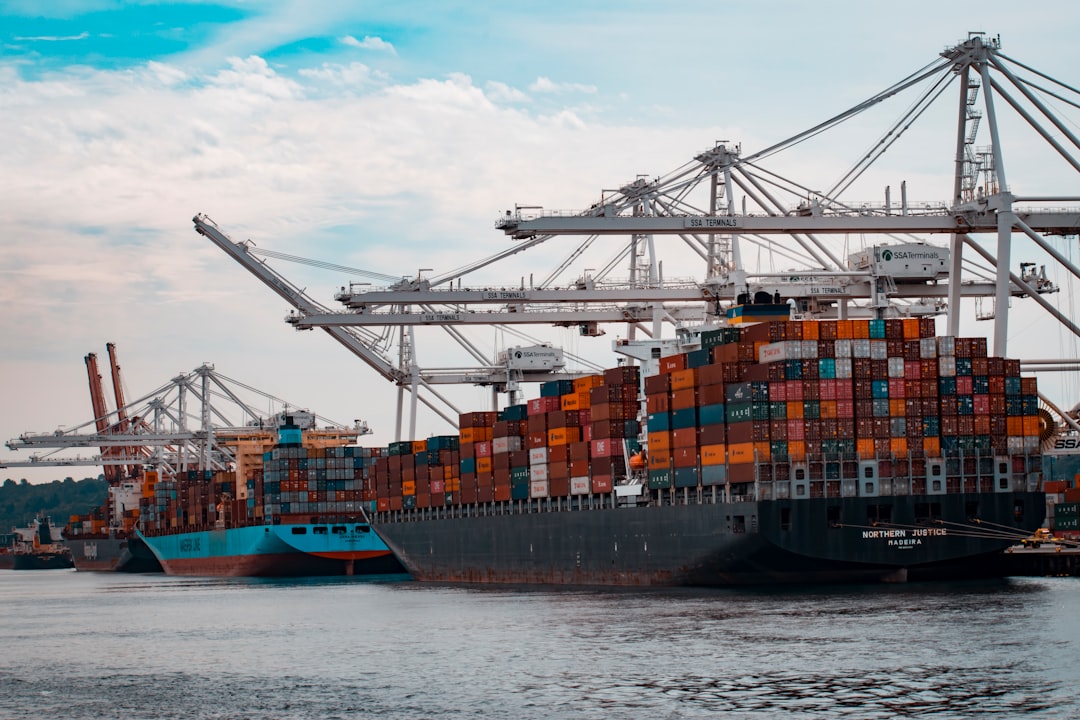
Export licensing Kenya involves obtaining the necessary permits from KEBS, the Export Promotion Council and sector-specific regulators before exporting goods. Kenya’s export trade is regulated by several authorities with overlapping mandates depending on the commodity being exported. The Kenya Bureau of Standards (KEBS) administers quality and standards compliance for exported goods, the Export Promotion Council (EPC) provides trade facilitation and export permits for certain commodities, and the Kenya Revenue Authority manages customs documentation and export duty collection. Exporters must understand and comply with the requirements of all applicable regulatory authorities before goods can lawfully leave Kenya.
The KEBS Export Standards Mark in Kenya
The Kenya Bureau of Standards Act (Cap 496) requires that goods manufactured in Kenya for export comply with applicable Kenya Standards and, where required, with the importing country’s standards. KEBS administers the Export Quality Certification Programme through which manufacturers obtain the KEBS Export Standards Mark, certifying that their products meet required quality standards. Export quality certification is mandatory for certain product categories including foodstuffs, textiles, and industrial goods intended for markets that require standards compliance.
KEBS Pre-Export Verification of Conformity (PVoC)
For imports into Kenya, KEBS operates a Pre-Export Verification of Conformity (PVoC) programme requiring that certain goods imported from listed countries obtain a Certificate of Conformity (CoC) before shipment to Kenya. Kenyan exporters to countries with similar import verification requirements must be aware of destination country requirements and engage KEBS or its appointed inspection bodies for certification.
Export Promotion Council (EPC) Role
The Export Promotion Council was established under the State Corporations Act to promote and facilitate Kenya’s export trade. EPC provides: export permit facilitation for goods requiring export permits under specific sector regulations; export market intelligence and trade promotion; liaison with importing country regulatory authorities; and certification services for certain export commodities. EPC works in coordination with KEBS, KRA, Kenya Plant Health Inspectorate Service (KEPHIS), and other regulatory bodies on export facilitation.
Sector-Specific Export Licences and Permits
Certain categories of goods require specific export licences or permits beyond standard customs documentation. Agricultural produce including fresh produce, flowers, and horticultural products requires phytosanitary certificates from KEPHIS confirming freedom from pests and diseases. Coffee exports are regulated by the Coffee Directorate under the Agriculture and Food Authority (AFA). Tea exports are regulated by the Tea Board of Kenya. Timber and forest products require Kenya Forest Service export permits. Wildlife products and specimens require CITES permits from the Kenya Wildlife Service. Minerals and natural resources require permits from the Mining Commissioner.
KRA Customs Export Documentation
All exports from Kenya must be declared to the KRA Customs and Border Control through the iCMS (Integrated Customs Management System). Required documentation includes: a customs export entry (declaring the nature, quantity, value, and destination of goods); commercial invoice; packing list; bill of lading or airway bill; certificate of origin (required by certain importing countries for tariff preference); and any sector-specific permits or certificates. Export duties, where applicable, must be paid before goods are released for export.
Export of Professional Services
Kenya is increasingly exporting professional services including legal, accounting, IT, and consulting services. Service exports do not require physical customs clearance but may require: professional service agreements compliant with the importing country’s laws; foreign exchange compliance under the CBK’s Foreign Exchange guidelines; and compliance with the importing country’s immigration requirements for service delivery personnel. The East African Community free trade framework facilitates professional services exports within the EAC region.
Our corporate and commercial practice advises exporters on trade documentation, sector-specific export permits, and EAC trade facilitation. For regulatory compliance across the export value chain, our team maps applicable requirements for specific commodity types. The Export Promotion Council provides trade facilitation services at the EPC website, and the KEBS Export Certification Programme is administered through the KEBS website.
Export Processing Zones and Special Economic Zones
Kenya operates Export Processing Zones (EPZs) and Special Economic Zones (SEZs) that provide significant incentives for export-oriented manufacturers and service providers. EPZs are regulated by the Export Processing Zones Authority (EPZA) and offer a 10-year corporate tax holiday, a further 10-year period at a reduced tax rate of 25% thereafter, VAT exemption on inputs, import duty exemption on machinery and raw materials, and streamlined licensing. SEZs, regulated under the Special Economic Zones Act 2016, offer similar incentives and are intended to attract investment in manufacturing, processing, and service industries for export. Businesses with significant export operations should evaluate whether operating within an EPZ or SEZ would reduce their overall compliance burden and tax liability.
Rules of Origin and Preferential Trade
Kenya participates in several preferential trade arrangements that reduce or eliminate import duties on Kenyan goods exported to partner countries. The EAC Common External Tariff provides duty-free access for EAC originating goods within the EAC. The EU-Kenya Economic Partnership Agreement (EPA) provides preferential access for Kenyan goods to the European Union market. The African Continental Free Trade Area (AfCFTA) is progressively expanding duty-free access across the African continent. To benefit from preferential tariff rates, Kenyan exporters must comply with the rules of origin requirements of each agreement, demonstrating that their goods have sufficient local content or transformation to qualify as Kenyan originating goods. Certificates of origin compliant with each agreement’s requirements must be obtained from the Kenya Revenue Authority or the Export Promotion Council. For trade facilitation and export legal advice, our team advises exporters on preferential trade compliance.
Anti-Counterfeit and Intellectual Property Enforcement at Borders
Kenyan exporters whose goods are protected by trademarks, copyright, or patents may record those rights with the Kenya Revenue Authority’s customs department. A trademark or copyright recordal enables KRA customs officers to detain and seize suspected counterfeit goods bearing the rights holder’s mark or reproducing their copyrighted works. The Anti-Counterfeit Authority (ACA) works with KRA customs on border enforcement actions against counterfeit goods. Exporters should also be aware that their own goods may face seizure in destination countries if they inadvertently infringe third-party IP rights in those markets. IP clearance searches in destination markets before commencing export are an important part of export market entry risk management. For IP protection and anti-counterfeit advice, our IP practice advises exporters on IP enforcement strategies.
Anti-Dumping and Trade Remedies
Kenya, as a member of the EAC and the WTO, may impose anti-dumping duties on imported goods sold at below their normal value in the exporting country where the dumped imports cause or threaten material injury to the Kenyan industry. The Competition Authority of Kenya (CAK) and the Kenya Trade Remedies Agency administer trade remedies under the EAC Trade Remedies Regulations. Kenyan manufacturers facing competition from dumped imports can petition the relevant authority for an anti-dumping investigation. Similarly, Kenyan exporters must be aware that their exports to other countries may be subject to anti-dumping investigations if they are perceived to be pricing below cost. Trade remedy investigations are complex, technical proceedings that require specialist legal and economic expertise. Our trade regulatory practice advises on trade remedy proceedings and WTO compliance.
Export Credit Insurance
Export credit insurance protects Kenyan exporters against the risk of non-payment by foreign buyers due to commercial risk (buyer insolvency or default) or political risk (war, sanctions, or foreign government actions preventing payment). The African Trade Insurance Agency (ATI) provides export credit insurance to Kenyan businesses through Kenya’s membership of ATI, and private insurers also offer export credit products. For exporters entering new markets where buyer creditworthiness is uncertain, export credit insurance is a critical risk management tool. The Kenya Export Promotion and Branding Agency (KEPROBA) provides information on export support services including export financing and insurance options at brandkenya.go.ke.
For tailored legal advice on export licensing, consult our regulatory compliance practice team. Related sector-specific licensing is covered in our guide to Manufacturing Licences in Kenya.