Kenyan sports law is moving faster than the underlying Sports Act has changed in over a decade. Between a co-hosted continental tournament, a match-fixing offence that has already cleared Parliament, a full rewrite of the governing statute still working through consultation, and a gambling regime that only became fully operational this year, 2027 is shaping up to be the year several long-running processes actually land. Here are the five developments a federation, club, sponsor, or broadcaster operating in Kenyan sport should be tracking now, not once each becomes final.
1. AFCON 2027: Kenya, Uganda and Tanzania as Co-Hosts
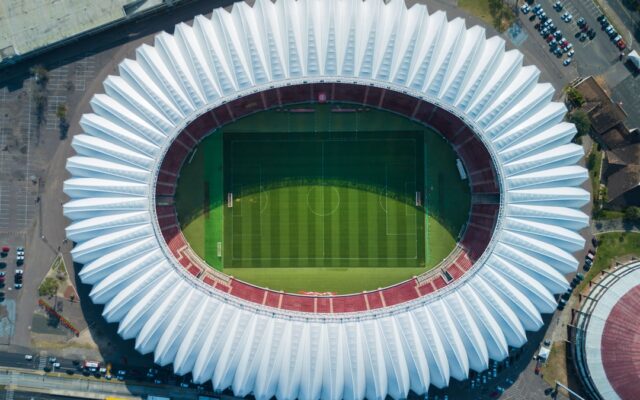
The Africa Cup of Nations returns to East Africa in 2027, jointly hosted by Kenya, Uganda and Tanzania, the first time three East African nations have staged the tournament together. The tournament is confirmed to run from 19 June to 17 July 2027, with Kenya’s proposed venues including the Moi International Sports Centre in Kasarani and a new national stadium in Nairobi still under construction. For a firm advising in this space, co-hosting on this scale is not primarily a football story. It is a legal readiness story: host agreements, procurement and construction contracts for venue upgrades, broadcast and media rights arrangements spanning three jurisdictions, sponsorship deals structured around a tournament rather than a single club season, and security and insurance obligations tied to hosting international fixtures. The event-hosting governance framework proposed in the draft Sports Bill, 2026, covering bidding procedures, Cabinet Secretary approval of host agreements, and organising committee creation, was drafted with exactly this kind of commitment in mind, which is why the tournament and the bill are worth tracking together rather than as separate stories.
2. The Match-Fixing Offence Awaiting Presidential Assent
The Sports (Amendment) Bill, 2026, sponsored by nominated MP Irene Nyakerario Mayaka, passed the National Assembly on 19 August 2026 and now awaits presidential assent. Once assented, it inserts a new offence into the Sports Act: participating in, or aiding, enabling or assisting the manipulation of a sports competition, carrying a fine of up to one million shillings, imprisonment of up to one year, or both, with proceeds of manipulation subject to forfeiture. A professional sports person or club involved may face forfeiture of the match in question, ineligibility for a different competition, or a lifetime ban from regulated gaming or sporting events. Sports Kenya gains a duty to receive and investigate manipulation reports within six months, with appeals from its decisions added to the Sports Tribunal’s jurisdiction. Assent could come at any point, and a tournament the scale of a co-hosted AFCON is exactly the kind of event where an operative manipulation offence, rather than a gap in the law, matters most. Organisations should not wait for the assent date to put internal reporting channels in place; we cover what that readiness looks like in practice in our governance health check guide.
3. A Full Rewrite of the Sports Act Still in Consultation
Separately from the Amendment Bill, a government taskforce convened under the chairmanship of Senior Counsel John Ohanga has produced a draft Sports Bill, 2026, published by the Ministry of Youth Affairs, Creative Economy and Sports alongside a National Sports Policy, 2025. This is a broader restructuring proposal than the manipulation amendment, covering a new National Sports Regulatory Authority, defined term limits for federation officials, restrictions on holding multiple federation offices simultaneously, an explicit gender equity clause for sports organisations, event-hosting governance of the kind AFCON 2027 will test, and, notably, a statutory image right for sports persons under a proposed section 95, which we cover in detail in our guide to the Bill’s sponsorship, merchandising and media rights provisions. Neither this Bill nor the Amendment Bill has replaced the Sports Act, Cap 223 as the operative law, and the pattern in Kenyan sports legislation has generally been incremental change layered onto the existing structure rather than a single clean replacement on a fixed date. The realistic planning assumption for 2027 is that the current Act remains in force while elements of this reform move through Parliament at their own pace, not that a new Act will simply switch on at year’s end.
4. The Gambling Control Act Regime Reaches Steady State
Kenya’s gambling sector spent much of 2026 in transition: the Gambling Control Act, 2025 came into force in August 2025, the Betting Control and Licensing Board formally handed authority to the new Gambling Regulatory Authority in February 2026, and the first five implementing regulations, covering licensing, conduct of operations, foreign-based operators, advertising, and the Gambling Appeals Tribunal, were only gazetted on 30 June 2026. Operators holding licences under the old framework had 60 days from that date to transition, a window that closes at the end of August 2026. By 2027, the regime should be at steady state rather than mid-transition, which matters for sport specifically because of how the Act treats sponsorship: section 87 of the Act requires Gambling Regulatory Authority approval before a betting company can advertise by sponsoring a sporting event, and carves live sporting events out of the ordinary broadcast watershed for gambling advertisements. A tournament the scale of AFCON 2027 will be a live test of both rules operating under a fully settled, rather than newly transitioning, regulatory regime. We cover the licensing and sponsorship detail in our guide to sports betting and gambling law.
5. Anti-Doping Enforcement Under Continued International Scrutiny
The Anti-Doping Agency of Kenya operates under the Anti-Doping Act, 2016 and Kenya’s obligations as a signatory to the World Anti-Doping Code, a framework that has not changed structurally in the way the Sports Act and gambling law have this year, but that carries its own steady pressure heading into 2027: a co-hosted continental tournament and any Kenyan athletes competing internationally in the run-up to it keep ADAK’s Registered Testing Pool, results management process, and Sports Tribunal enforcement firmly in view. Federations preparing for 2027 should treat anti-doping compliance as a standing obligation rather than a box checked once at registration, particularly as the manipulation offence discussed above and existing anti-doping enforcement will increasingly sit alongside each other in how a federation manages athlete and official conduct. Our guide to ADAK obligations sets out what that compliance actually involves.
How We Can Help
Clay & Associates Advocates advises federations, clubs, sponsors, and event organisers on the legal readiness these five developments require, from host agreement and procurement structuring for AFCON 2027 to governance updates ahead of the pending Sports Act reforms and gambling sponsorship compliance. Contact our sports law practice to discuss how any of these developments affect your organisation specifically, rather than waiting until each becomes final.
Sources: Kenya Gazette Supplement No. 18 (National Assembly Bills No. 5), The Sports (Amendment) Bill, 2026, 19 February 2026, as passed by the National Assembly on 19 August 2026; the draft Sports Bill, 2026 and National Sports Policy, 2025, Ministry of Youth Affairs, Creative Economy and Sports; the Gambling Control Act, 2025 (Act No. 14 of 2025), section 87; the Anti-Doping Act, 2016 (Cap. 245B).
Frequently asked questions
When will the match-fixing offence actually become law?
The Sports (Amendment) Bill, 2026 passed the National Assembly on 19 August 2026 and needs presidential assent before it takes effect. No assent date has been confirmed as of this writing.
Is the draft Sports Bill, 2026 the same as the Sports (Amendment) Bill, 2026?
No. They are two separate pieces of legislation. The Amendment Bill is narrowly focused on the manipulation offence and has already passed the National Assembly. The draft Sports Bill is a broader restructuring proposal, covering a new regulatory authority, term limits, and image rights, and remains in an earlier stage of the legislative process.
Where will Kenya host AFCON 2027 matches?
Proposed Kenyan venues include the Moi International Sports Centre in Kasarani and a new national stadium in Nairobi still under construction, alongside venues in co-host countries Uganda and Tanzania, for a tournament running from 19 June to 17 July 2027.
Does the gambling sector’s transition to the new regulator affect sports sponsorship deals?
Yes. Any betting company sponsorship of a sporting event as a form of gambling advertising requires Gambling Regulatory Authority approval under section 87 of the Gambling Control Act, and that approval process is now operating under the settled 2026 regulations rather than the earlier transitional framework.