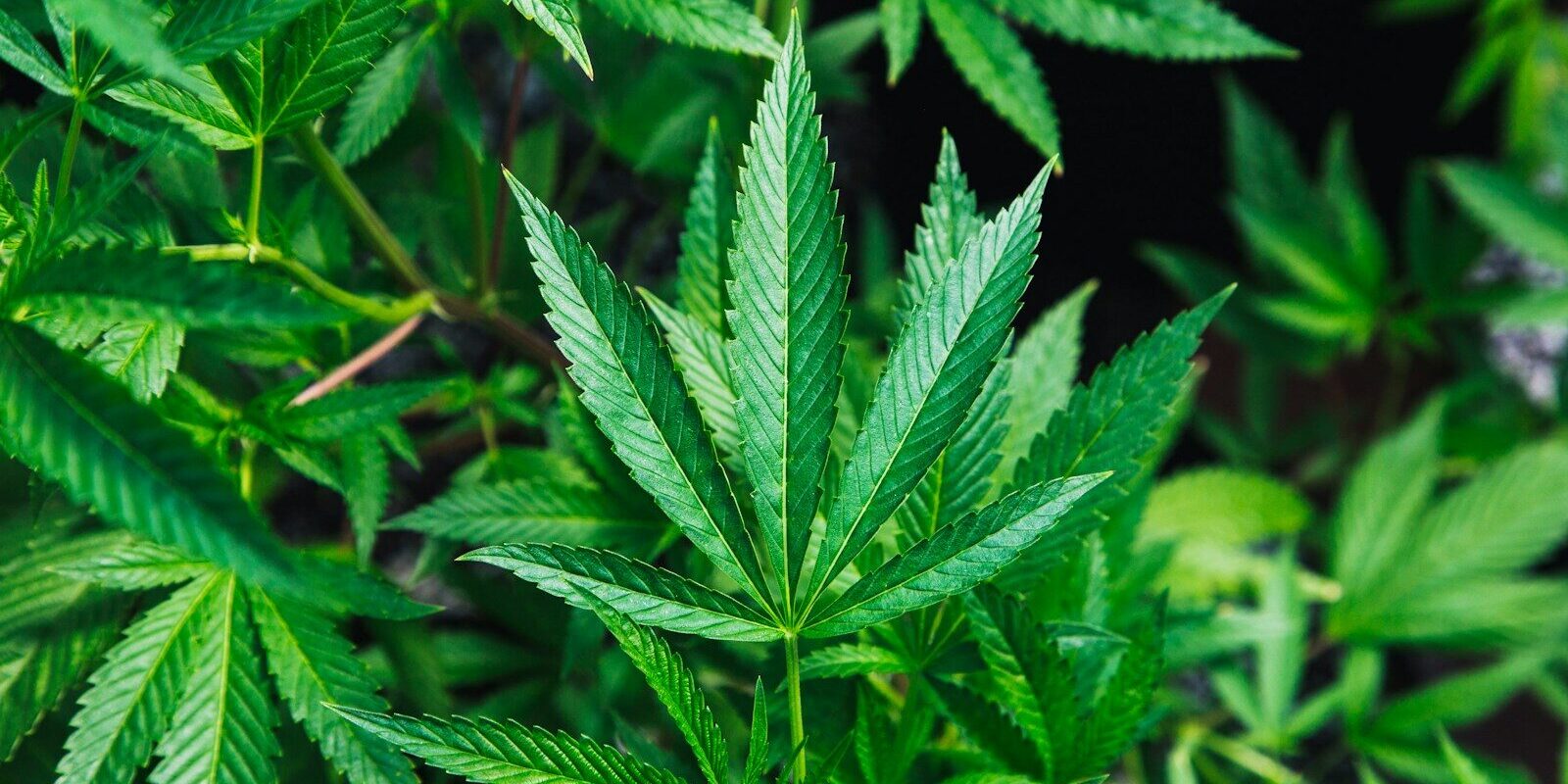
Investors regularly ask whether medical cannabis is legal in Kenya, often after seeing licensed cannabis industries emerge elsewhere in Africa. The short answer, as of November 2026, is no: cannabis remains a prohibited plant, cultivating it is a serious offence, and no licensing framework for a medical cannabis industry has been put in place. The debate has moved, though. In July 2026 the High Court upheld the ban but said openly that the status quo appears untenable, and Members of Parliament debated the issue the month before. This guide sets out the current legal position and what would need to change.
Cannabis Under the Narcotic Drugs Act
The Narcotic Drugs and Psychotropic Substances (Control) Act (Cap. 245) lists cannabis first among the prohibited plants in its Third Schedule. Three provisions do most of the work:
- Cultivation. Section 6 makes it an offence to cultivate any prohibited plant, or for an owner or occupier to permit premises to be used for that purpose. The penalty includes a fine linked to the market value of the plants and imprisonment for up to twenty years.
- Possession. Section 3 makes possession of a narcotic drug or psychotropic substance an offence. For cannabis intended solely for the person’s own consumption, the penalty is imprisonment of up to five years or a fine of up to one hundred thousand shillings.
- Trafficking. Section 4 imposes much heavier penalties for trafficking, a term the Act defines to include importing, exporting, manufacturing, selling, supplying and distributing.
The Medical Exceptions That Do Exist
The Act is not blind to medical use. Section 3(3) disapplies the possession offence for a person holding a licence issued under section 16, for medical practitioners, dentists, veterinary surgeons and registered pharmacists possessing a controlled substance for medical purposes, for patients holding it on prescription, and for persons authorised under regulations. The definition of trafficking similarly excludes licensed activity and medical supply by practitioners and pharmacists.
These exceptions explain how hospitals can lawfully use morphine and other controlled medicines. They do not create a medical cannabis industry. They operate at the point of possession and supply; they do not license farms, processors or dispensaries. A business that wanted to import a registered cannabinoid medicine would face the same layers as any other controlled medicine: product registration, a wholesale licence and a licence under section 16. Our guide to importing narcotic and psychotropic medicines into Kenya explains those layers. We are not aware of any published regulations or licensing framework for cultivating or processing cannabis for medical use.
The July 2026 High Court Judgment
In Rastafari Society of Kenya (RSK) & 2 others v Attorney General & 2 others [2026] KEHC 11816 (KLR), decided on 15 July 2026, the petitioners asked the High Court for a narrow exemption allowing cannabis use in private worship. They did not seek general decriminalisation, and they pointed to the Act’s existing medical and scientific exemptions as proof that less restrictive approaches were possible.
The Court dismissed the petition. It held that the petitioners had not proved that the impugned provisions violated their rights, had not exhausted available legal and administrative mechanisms, and had not shown that cannabis use is an essential element of their faith. Any limitation of their rights was reasonable and justifiable under Article 24 of the Constitution.
The Court did not stop there. It questioned whether scarce enforcement resources should be spent on small-scale possession, called for a full and frank national conversation on cannabis, and said that the status quo appears untenable, while leaving any change of policy to the institutions responsible for it.
Where Policy May Go Next
A month earlier, in June 2026, cannabis was debated on the floor of the National Assembly, with some Members urging regulated cultivation, processing and medicinal use and others urging caution, according to press reports. No bill had been tabled at that point.
Any legal medical cannabis regime would need, at a minimum, amendments to Cap. 245 or regulations under it, a licensing authority and conditions for cultivation and processing, product registration rules for cannabis-derived medicines, and a structure consistent with Kenya’s obligations under the international drug control treaties, which require controlled production and reporting to the International Narcotics Control Board. Investors should treat claims of an imminent licensing window with caution until a bill or regulations are actually published.
Practical Guidance for Investors
- Do not cultivate, process or stock cannabis in Kenya on the strength of a foreign licence, a county permit or an informal assurance. None of these displaces Cap. 245.
- Be careful with “cannabinoid” consumer products. Whether a product falls within the Act depends on what it contains; take advice before importing or selling.
- Track the policy process. If a bill is published, there will be a public participation window, which is the moment for industry to engage.
How We Can Help
Clay & Associates Advocates advises investors on Kenya’s controlled-substance laws, regulatory risk and emerging policy, and can monitor legislative developments for clients considering the sector. Contact our Regulatory and Compliance practice or our Life Sciences and Healthcare team.
Sources: Narcotic Drugs and Psychotropic Substances (Control) Act (Cap. 245), sections 2, 3, 4, 6 and 16 and Third Schedule; Rastafari Society of Kenya (RSK) & 2 others v Attorney General & 2 others [2026] KEHC 11816 (KLR), paragraphs 7, 81 and 82; International Narcotics Control Board, estimates system for narcotic drugs.
Frequently asked questions
Is medical cannabis legal in Kenya?
No. Cannabis is a prohibited plant under Cap. 245, cultivation is an offence, and no licensing framework for medical cannabis production has been published.
Did the High Court legalise cannabis in 2026?
No. In July 2026 it dismissed a petition seeking a religious exemption and upheld the law, while calling for a national conversation and describing the status quo as appearing untenable.
Can a hospital use cannabis-based medicines?
The Act allows medical possession and supply of controlled substances by licensed persons, practitioners and pharmacists. Any cannabis-derived medicine would still need registration and the necessary licences.
Is there a bill to legalise medical cannabis?
Members of Parliament debated the issue in June 2026, but no bill had been tabled at that time. Check the current position before making investment decisions.
Need advice on your own matter?
Tell us what you are dealing with. You will know what it involves and what it costs before you commit.
This article is general information on Kenyan law as at its publication date, not legal advice. Reading it does not create an advocate and client relationship.