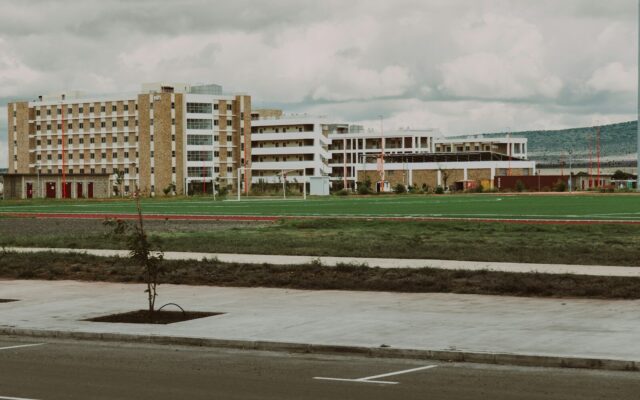
Registering a private school in Kenya is a licensing process, not a company filing. The Basic Education Act, 2013 routes the application through the County Education Board, backed by an inspection from the Education Standards and Quality Assurance Council, and it is a criminal offence to run a school that is not registered. This guide sets out the steps, the documents and the points where applications usually stall, as at 24 October 2026. This guide walks through how to register a private school in Kenya, step by step.
How to register a private school in Kenya: the legal framework
Section 50 of the Act says a person shall not establish or maintain a private school unless it is registered under the Act. Regulation 3 of the Basic Education Regulations, 2015 goes further: no person, body or organisation may establish or admit learners to a private or public institution without first obtaining written authority from the Cabinet Secretary for Education. Regulation 4 says registration is done in the manner and form prescribed through guidelines issued by the Cabinet Secretary. Section 76 adds that a person shall not offer basic education in Kenya unless accredited and registered as the Act provides.
The penalties are serious. Section 78 provides a fine of up to KES 20 million, imprisonment of up to three years, or both, for promoting, managing or teaching basic education without accreditation and registration. Section 50(4) separately penalises conducting an unregistered private school.
Step 1: Prepare the application to the County Education Board
Section 83 sets out what the application must contain. In summary, it covers the name and addresses of the proposed school, its governance and management structure, the qualifications and experience of the promoters and managers, the aims of the school and the programmes it will offer, the number and qualifications of teachers and non-teaching staff, the infrastructure and equipment available, and the financial ability of the promoters and managers. Treat the last item as a substantive test and not a formality. A promoter who cannot show funding for the first years of operation is exposed.
The proprietor must also clear the integrity and child-safeguarding tests in section 50(2). Registration is refused if the proprietor is disqualified under Article 10 or Chapter Six of the Constitution, or if the proprietor or manager has been convicted of an offence against children under the Sexual Offences Act or the Counter Trafficking in Persons Act.
Step 2: Meet the physical and staffing standards
Under section 82(2), the County Education Board licenses and registers an institution only if it has enough registered teachers and non-teaching staff under the county staffing norms, appropriate teaching and learning facilities, suitable premises, and adequate infrastructure and equipment. Regulation 64 lists the facilities every institution must provide, including playing facilities with provision for persons with disabilities, administrative offices, gender-segregated sanitary facilities, a kitchen and dining room, standard classrooms of prescribed dimensions, store rooms and a science room. Regulation 54 requires the curriculum and instructional materials to be developed or approved by the Kenya Institute of Curriculum Development.
The Ministry of Education also publishes a legacy document, Basic Standard Requirements for Registration. It is useful as a checklist of what officers expect to see, such as site suitability, a site plan and inspection by quality assurance and public health officers. It is written under the old Education Act and refers to District Education Boards, so it must not be treated as the current procedure. Confirm the current documents and any fees with the County Education Board before you pay or file anything.
Step 3: Inspection and assessment
The Education Standards and Quality Assurance Council assesses the application against the standards formulated under the Act and reports to the County Education Board (section 82(1)). Expect a site visit. Premises that look finished on paper but fail on safety, sanitation or accessibility are the most common reason for delay.
Step 4: Decision, provisional registration and appeal
If the Board is not satisfied that the requirements are met, it may reject the application and must notify the applicant within thirty days (section 77(1)). An aggrieved applicant may appeal to the Education Appeals Tribunal within thirty days of the decision (section 77(2)). Keep a dated record of every filing, because the appeal clock runs from the decision.
A successful private school is first registered provisionally. Section 50(3) makes provisional registration run for one year, renewable for one further term of one year, until the school is quality assured and the proprietor is notified in writing that registration is final. A school that has not reached final registration by the end of the second year has a compliance problem, so plan the improvement timetable from day one.
What the Basic Education Bill, 2026 would change
The Basic Education Bill, 2026 (National Assembly Bill No. 50 of 2026) would repeal the Act. Parliament’s tracker showed it at First Reading on 11 August 2026, so it is not yet law. In our reading, clauses 25 to 28 keep the same architecture: an application to the County Education Board, an inspection and assessment of the applicant’s resources, provisional registration for one year renewable once, and written notice of refusal with reasons within seven days. One notable shift is that the Board would recommend registration and the Cabinet Secretary would issue the registration certificate. Clause 112 would keep existing registrations in force. If you apply now, you are applying under the current Act.
How We Can Help
Clay & Associates Advocates prepares and files school registration applications, reviews proprietor and governance structures, and represents applicants on rejection and appeal. Our Regulatory & Compliance team handles the application, and our Corporate & Commercial team sets up the operating company. If the owner is based abroad, see our article on foreign ownership of schools in Kenya. Contact us before you lease premises or advertise admissions. We act for operators who need to register a private school in Kenya.
Sources: Basic Education Act, 2013, sections 50, 76, 77, 78, 82 and 83; Basic Education Regulations, 2015, regulations 3, 4, 54 and 64; Basic Education Bill, 2026, clauses 25 to 28 and 112; Mzalendo bill tracker; Ministry of Education, Basic Standard Requirements for Registration (legacy guidance).
Frequently asked questions
Who registers a private school in Kenya?
The application is made to the County Education Board, which licenses and registers the school after the Education Standards and Quality Assurance Council has assessed it. Regulation 3 also requires written authority from the Cabinet Secretary before a school is established.
How long does registration take?
The Act does not fix a single timeline for approval. It does require the Board to notify a rejection within thirty days, and registration is provisional for up to two one-year terms before it becomes final.
What happens if my application is rejected?
You may appeal to the Education Appeals Tribunal within thirty days of the decision.
Can I open before registration is complete?
No. Operating an unregistered private school is an offence under section 50(4), and section 78 carries a fine of up to KES 20 million or up to three years in prison.
Need advice on your own matter?
Tell us what you are dealing with. You will know what it involves and what it costs before you commit.
This article is general information on Kenyan law as at its publication date, not legal advice. Reading it does not create an advocate and client relationship.